Many people wonder if quinoa and millet are the same thing. These two ancient grains look similar and share many nutritional benefits, but they are quite different. Let’s break it down.
What Is Millet?
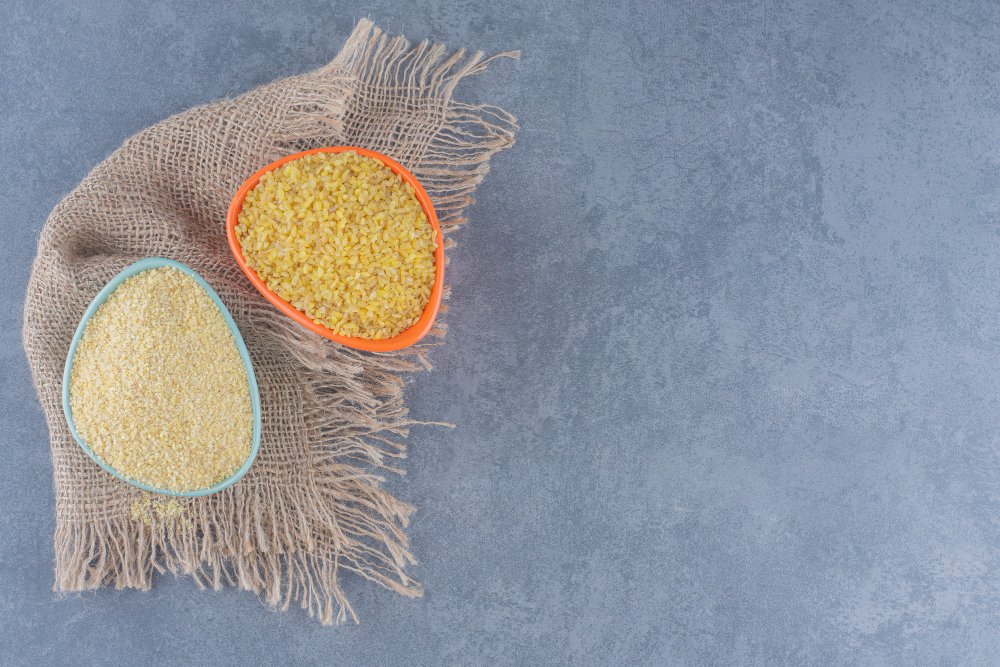
Millet refers to a group of small-seeded cereal grains belonging to the grass family. These crops have been staples in Asian and African diets for centuries. India grows several millet varieties, including pearl millet (bajra), finger millet (ragi), foxtail millet, and proso millet.
These grains grow well in drought conditions and require minimal water. This makes them perfect for arid regions. Millet has been a staple in Asian and African diets for centuries, and farmers across India have cultivated these grains for generations.
CMS Industries works with farmers across India to supply premium quality grains, including various millet varieties like yellow millets, to domestic and international markets. The company sources these nutritious grains directly from agricultural communities.
What Is Quinoa?
Quinoa is a seed, valued for its high protein content, as it has all the nine essential amino acids. Although people cook and eat it like a grain, quinoa is technically a pseudocereal. The plant is closely related to spinach and beetroot rather than traditional grains.
Quinoa originated in South America, particularly in the Andes region. The grain comes in several colours, including white, red, and black varieties. Each type has subtle differences in flavour and texture.
Quinoa Same as Millet: The Botanical Truth
No, quinoa is not the same as millet. Here is why:
Botanical Classification:
- Millet belongs to the Poaceae family (true cereal grains from the grass family)
- Quinoa belongs to the Amaranthaceae family (making it a pseudocereal, not a true grain)
Origin:
- Millet has been grown in India, Africa, and Asia for thousands of years
- Quinoa comes from South America and was cultivated by ancient Andean civilisations
Seed Structure:
- Millet grains are round, oval, or elongated depending on the variety
- Quinoa seeds are small, disc-shaped, and usually have a visible germ ring
Understanding these differences helps when choosing between the two for your diet. Both grains offer unique benefits, but they come from completely different plant families.
Nutritional Comparison: Millet vs Quinoa
Both grains pack nutritional power, but their profiles differ in important ways.
Protein Content
Quinoa contains about 4.4 grams of protein per 100 grams, a little more than millet. The real difference lies in protein quality. Quinoa is a complete protein source, containing all nine essential amino acids your body cannot produce on its own.
Millet contains good protein levels but lacks lysine, an essential amino acid. You can address this by combining millet with lentils, beans, or other protein sources in your meals.
Fibre Content
Both grains provide excellent dietary fibre for digestive health. Millet edges ahead slightly in this category. Finger millet (ragi) stands out with approximately 22 grams of fibre per 100-gram serving.
This high fibre content makes millet particularly good for blood sugar management and digestive health. Regular consumption supports healthy bowel movements and prevents constipation.
Vitamins and Minerals
Quinoa is higher in manganese, iron, phosphorus, fibre, and folate; however, millet is richer in vitamin B3. Finger millet excels in calcium content, making it excellent for bone health.
Both grains provide:
- Magnesium for nerve function
- Phosphorus for bone health
- B vitamins for energy production
- Potassium for heart health
Glycemic Index
Quinoa has a lower glycemic index (53) than millet (71). This makes quinoa a better choice for people managing diabetes or blood sugar levels. The lower glycemic index means quinoa releases sugar into the bloodstream more slowly.
Health Benefits: Are Quinoa and Millet Both Superfoods?
Both grains deserve the superfood label, though for different reasons.
Gluten-Free Nature
Perhaps the most significant similarity between millet and quinoa is the fact that they are both gluten-free by nature. This makes them perfect alternatives for people with celiac disease or gluten sensitivity.
You can substitute these grains for wheat, rice, or other gluten-containing foods without sacrificing nutrition or taste.
Antioxidant Properties
Both grains contain a high amount of antioxidants due to a synergistic combination of micronutrients, amino acids, and plant substances. These antioxidants protect your cells from oxidative stress and may reduce inflammation.
Regular consumption of antioxidant-rich foods supports overall health and may reduce the risk of chronic diseases.
Digestive Health
The high fibre content in both grains promotes healthy digestion. Fibre feeds beneficial gut bacteria, supports regular bowel movements, and helps maintain a healthy digestive system.
Millet is particularly easy to digest, making it suitable for children and people with sensitive stomachs.
Weight Management
Both grains can support weight management goals. Their high fibre and protein content helps you feel full longer, reducing overall calorie intake. The complex carbohydrates provide sustained energy without blood sugar spikes.
Culinary Uses: How to Cook Millet and Quinoa
Both grains are versatile in the kitchen, though they have different cooking times and textures.
Cooking Millet
Rinse Green Millet and Other Millets thoroughly before cooking. Use a ratio of one part millet to two parts water. Bring water to a boil, add millet, then reduce heat to low. Cover and simmer for approximately 12–15 minutes until the water is absorbed.
Millet expands significantly during cooking and can quadruple in size, so use a large enough pot. The cooked grain has a slightly chewy texture and mildly sweet flavour.
Popular Millet Dishes:
- Millet upma for breakfast
- Millet khichdi with vegetables
- Ragi porridge or malt
- Bajra rotis (flatbreads)
- Foxtail millet pulao
Cooking Quinoa
Rinse quinoa well before cooking to remove bitter saponins on the outer coating. Use one part quinoa to two parts water. Bring to a boil, reduce heat, cover, and simmer for about 15 minutes.
Quinoa cooks faster than most millets and fluffs up beautifully. The cooked grain has a light, fluffy texture with a subtle nutty flavour.
Popular Quinoa Dishes:
- Quinoa salad with vegetables
- Quinoa breakfast porridge
- Quinoa and vegetable bowls
- Quinoa khichdi
- Quinoa as rice substitute
CMS Industries supplies high-quality grains to food processors and retailers who create diverse grain-based products. The company ensures proper processing and cleaning of all grain varieties before distribution.
Which Is Better: Quinoa or Millet?
The answer depends on your specific nutritional needs and health goals.
Choose Quinoa If You:
- Need a complete protein source (especially important for vegetarians and vegans)
- Are managing diabetes or blood sugar levels
- Want higher iron and folate content
- Prefer quick-cooking grains
- Need all essential amino acids from one source
Choose Millet If You:
- Want higher fibre content for digestive health
- Need more calcium for bone health
- Prefer traditional Indian grains
- Are looking for more affordable options
- Want a grain that provides sustained energy
You do not need to pick just one. Including both grains in your diet provides a broader range of nutrients and keeps your meals interesting.
Common Myths About Quinoa and Millet
Myth 1: Quinoa and Millet Are the Same Grain False. They come from completely different plant families and have distinct nutritional profiles.
Myth 2: Quinoa Is Always Better Than Millet Not True. Both grains offer unique nutritional benefits. Your choice should depend on your specific health needs.
Myth 3: Millet Is Only Bird Feed This misconception exists in some Western countries, but millet has been a staple human food across Asia and Africa for thousands of years.
Myth 4: Quinoa Is a New Superfood Quinoa has been a part of the human diet for over 3000 years with its origins in South America. The grain is only recently popular in other parts of the world.
Incorporating Both Grains Into Your Indian Diet
Indian cuisine offers countless ways to enjoy both millet and quinoa.
Breakfast Ideas:
- Ragi porridge with jaggery and milk
- Quinoa upma with vegetables
- Bajra khichdi with ghee
- Quinoa dosa or uttapam
Lunch and Dinner Options:
- Millet pulao with seasonal vegetables
- Quinoa biryani with spices
- Jowar roti with dal and sabzi
- Quinoa khichdi for easy digestion
Snacks:
- Roasted millet snacks
- Quinoa cutlets or tikkis
- Millet cookies
- Quinoa energy bars
CMS Industries recognises the growing demand for alternative grains and works to make quality millet and other nutritious grains accessible to consumers across India and internationally.
Environmental Impact and Sustainability
Both grains score high on sustainability, though for different reasons.
Millet:
- Requires minimal water for cultivation
- Grows in poor soil conditions
- Needs few chemical inputs
- Perfect for climate-resilient agriculture
- Supports small-scale farmers in drought-prone regions
Quinoa:
- Grows in diverse climates
- Tolerates poor soil quality
- Requires moderate water
- Provides livelihood to Andean farmers
The Indian government declared 2023 as the International Year of Millets, promoting these climate-resilient crops. This initiative highlights millet’s role in sustainable agriculture and food security.
Shopping Tips: Buying Quality Millet and Quinoa
When purchasing these grains, keep these points in mind:
For Millet:
- Look for clean, uniform grains without debris
- Check for proper packaging and seal
- Verify the millet variety (pearl, finger, foxtail, etc.)
- Choose organic options when available
- Buy from trusted suppliers like CMS Industries who maintain quality standards
For Quinoa:
- Select pre-rinsed quinoa to save preparation time
- Check the colour (white, red, or black based on preference)
- Look for intact seeds without excessive breakage
- Verify the expiry date
- Store in airtight containers to maintain freshness
Storage and Shelf Life
Proper storage extends the shelf life of both grains:
Millet:
- Store in airtight containers
- Keep in a cool, dry place
- Lasts 6-12 months when stored properly
- Refrigeration extends shelf life
Quinoa:
- Store in sealed containers
- Keep away from moisture and heat
- Maintains quality for 2-3 years
- Refrigeration not necessary but recommended for long-term storage
Final Thoughts
Quinoa and millet are not the same grain. They come from different plant families, have distinct nutritional profiles, and offer unique health benefits. Quinoa excels as a complete protein source with all essential amino acids, whilst millet provides superior fibre content and calcium levels.
Both grains deserve a place in your kitchen. You do not need to choose one over the other. Including both in your rotation provides nutritional variety and keeps meals interesting. Whether you prefer the traditional appeal of millet or the complete protein of quinoa, both grains support a healthy, balanced diet.
For those seeking quality grains, working with reliable suppliers makes a difference. Companies like CMS Industries ensure proper sourcing, processing, and quality control of agricultural products manufacturers, making nutritious grains accessible to consumers.
Start experimenting with both grains in your favourite recipes. Your body will thank you for the nutritional diversity, and your taste buds will enjoy the variety.
Frequently Asked Questions
Q1: Is quinoa the same as millet in nutrition?
No, quinoa and millet have different nutritional profiles. Quinoa provides complete protein with all nine essential amino acids, whilst millet offers higher fibre and calcium content. Quinoa has a lower glycemic index (53) compared to millet (71), making it better for blood sugar management. Both are gluten-free and rich in vitamins and minerals, but serve different nutritional purposes in your diet.
Q2: Can I substitute quinoa for millet in recipes?
You can substitute quinoa for millet in most recipes, though cooking times differ. Quinoa cooks faster (15 minutes) than millet (20-25 minutes) and has a fluffier texture. Millet is chewier with a mildly sweet flavour. Adjust liquid ratios as millet absorbs more water. For traditional Indian dishes like upma or khichdi, millet gives better results.
Q3: Which is better for weight loss, quinoa or millet?
Both grains support weight loss through high fibre and protein content that promotes satiety. Quinoa has slightly more protein (4.4g per 100g) whilst millet provides more fibre. Quinoa’s lower glycemic index helps control blood sugar and cravings. Choose based on preference, as both work well in weight management when consumed in appropriate portions as part of a balanced diet.
Q4: Are quinoa and millet suitable for diabetics?
Yes, both grains suit diabetic diets, though quinoa has an advantage. With a glycemic index of 53, quinoa releases sugar more slowly than millet (GI 71). The high fibre content in both grains helps regulate blood sugar levels. Portion control remains important. Combining millet with protein-rich foods like dal can lower its glycemic impact.
Q5: Why is quinoa more expensive than millet in India?
Quinoa costs more because India imports most quinoa from South America, adding transportation and import costs. Millet grows extensively across India, making it locally available and affordable. Growing demand for quinoa and limited domestic production keep prices high. However, Indian farmers are now cultivating quinoa, which may reduce costs over time. Millet remains the economical choice for daily consumption.