
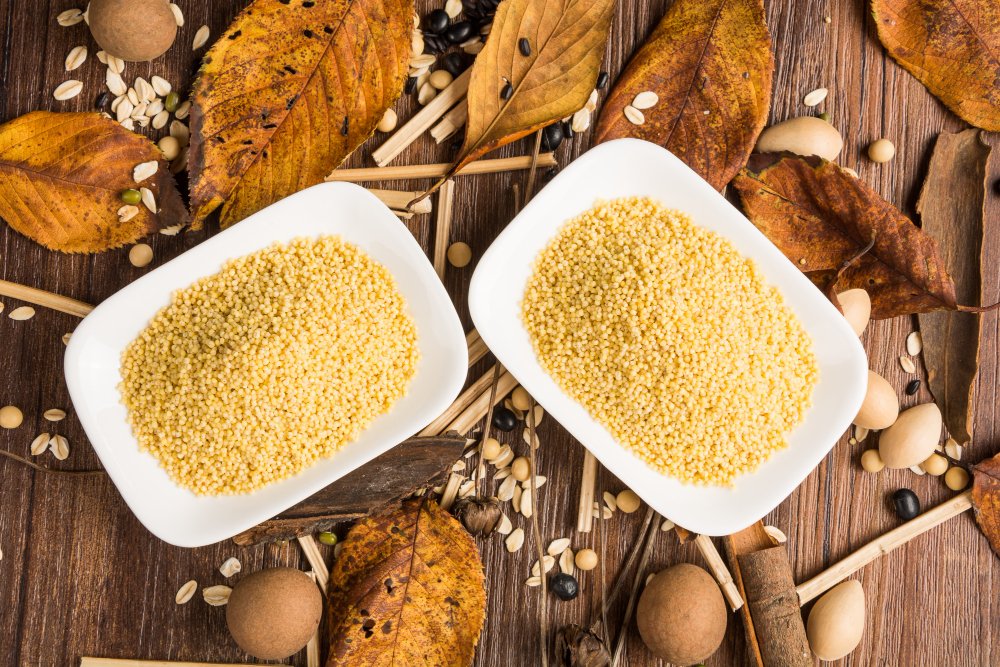
Walk into any health food store today, and you’ll see bags labelled “millet” sitting next to bags labelled “jowar.” This creates confusion. Are these two different grains, or is one simply a Hindi name for the other? If you’ve been puzzled by this, you’re not alone.
Here’s the answer: Jowar is a specific type of millet. Think of millet as a large family of grains with varieties like yellow millet, foxtail millet, and bajra and jowar as one member of that family. All jowar is millet, but not all millet is jowar.
Let’s break it down.
What Exactly Are Millets?
Millets are a group of small-seeded grasses from the family Poaceae, grown worldwide for thousands of years. The term “millet” doesn’t refer to one grain. It’s an umbrella term covering around 20 different grass species. These grains share common traits: small seeds, drought resistance, and the ability to grow in poor soil where other crops fail.
In 1753, Carl Linnaeus first described foxtail millet, and by 1788, Joseph Gaertner had documented finger millet. Different millet species evolved independently across Africa, Asia, and Europe. Asian millet varieties reached the Black Sea region by 5000 BC, and the grain grew wild in Greece as early as 3000 BC.
What makes millets special? They’re climate survivors. Millets tolerate poor soils and drought better than other grains. That’s why farmers in arid regions have relied on them for centuries. India produces about 38% of the world’s millet supply, nearly triple its nearest competitor.
The UN declared 2023 as the International Year of Millets to address global food security. With climate change affecting rainfall patterns, these hardy grains offer solutions for feeding growing populations.
Where Does Jowar Fit In?
Jowar, scientifically called Sorghum bicolor, is also known as great millet, Indian millet, guinea corn, durra, or milo. The name changes based on location, but the grain stays the same.
Jowar is the world’s fifth most important cereal crop after rice, wheat, maize, and barley. The plant was domesticated over 5,000 years ago in Eastern Sudan near the Rivers Atbara and Gash. Sorghum bread from Predynastic Egypt, dating back 5,100 years, sits in the Egyptian Museum in Turin, Italy.
Around 4,000 years ago, jowar spread to the Indian subcontinent. Today, India grows jowar extensively in Maharashtra, Karnataka, Andhra Pradesh, Madhya Pradesh, Gujarat, Rajasthan, and Tamil Nadu. The grain thrives in hot, dry conditions where other crops struggle.
Physical Characteristics:
- Grain size: 2-4 mm in diameter
- Colors: White, yellow, red, brown, or black
- Plant height: Can exceed 4 metres
- Growing season: 115-140 days
- Temperature range: 12-34°C
CMS Industries in Gujarat, supplies premium quality jowar and other agricultural products. Operating for over two decades from Kachchh, the company manufactures and exports sorted-cleaned and machine-processed grains. Their location near Mundra and Kandla ports allows fast shipment across India and to international markets.
The Millet Family Tree
Not all millets are created equal. They’re divided into two main groups based on grain size:
Major Millets:
- Sorghum (Jowar) – Fifth largest cereal globally
- Pearl Millet (Bajra) – Most widely produced millet for human consumption
- Finger Millet (Ragi) – Highest calcium content among cereals
Minor Millets:
- Little Millet
- Kodo Millet
- Barnyard Millet
- Proso Millet
- Browntop Millet
- Teff
- Fonio
The different millet species belong to various tribes and subfamilies within Poaceae, meaning they’re not all closely related despite sharing the millet name. Millets are closely related to sorghum and maize within the PACMAD clade of grasses.
Major millets account for over 90% of cultivation area. They have larger grains and can be eaten after simple cleaning. Minor millets need processing to remove tough outer husks before consumption.
Is Jowar the same as Millet? The Clear Answer
No, jowar is not the same as millet. Jowar is one variety within the millet family. When someone says “millet,” they could mean any of 20+ grain types, including others like grains bajra and foxtail millet. When someone says “jowar,” they specifically mean Sorghum bicolor.
Think of it like fruits. If someone says “fruit,” you don’t know if they mean apples, oranges, or bananas. But if they say “apple,” you know exactly what they’re talking about. The same logic applies here.
Why the confusion exists:
- Jowar is sometimes called “great millet” or “Indian millet”
- Different regions use different names for the same grain
- Many people use “millet” loosely to mean any small grain
- Product labels don’t always specify which millet variety
How Jowar Compares to Other Millets
Each millet type has distinct properties. Here’s how jowar stacks up:
Jowar vs Bajra
Pearl millet (bajra) ranks as the most widely cultivated millet globally. Bajra grains are larger and more elongated than jowar’s round, smaller grains. Bajra has higher iron and potassium, while jowar contains more antioxidants. Jowar has a lower glycemic index, making it better for blood sugar control.
Both grow in drought conditions, but bajra tolerates even drier climates. Bajra has a coarse texture with earthy flavor. Jowar has a smoother texture with a slightly sweet taste.
Jowar vs Ragi
Ragi stands apart for calcium content. The grain contains approximately 8 times more calcium than other cereals, including jowar. Ragi grows at higher elevations up to 2,000 metres, while jowar prefers lower elevations.
Both are gluten-free and don’t require dehusking. Ragi is particularly popular in South India for baby foods due to easy digestibility. Jowar works better for flatbreads and porridge.
Jowar vs Minor Millets
Minor millets like foxtail and kodo have smaller grains requiring processing to remove husks. Jowar can be used directly after cleaning. Jowar has much higher production volumes and wider cultivation areas. Most sorghum varieties are drought and heat-tolerant, nitrogen-efficient, and grow in arid regions where the grain serves as a staple for poor and rural people.
CMS Industries processes various grain types including jowar, maintaining quality through sortex cleaning technology. The company supplies both machine-cleaned and hand-cleaned options in customizable packaging from 15 kg to 50 kg bags.
Nutritional Profile: What Makes Jowar Valuable
Jowar packs nutrition into small grains:
Per 100 grams:
- Carbohydrates: 72 grams (complex, slow-releasing)
- Protein: 10 grams
- Dietary fiber: 9.7 grams
- Fat: 3.4 grams
- Zero cholesterol
- Gluten-free
Jowar contains calcium plus small amounts of iron, vitamin B1, and niacin. The grain also provides magnesium, phosphorus, potassium, and B vitamins.
Health Benefits:
- Blood Sugar Management: Complex carbohydrates release glucose gradually. The low glycemic index prevents blood sugar spikes. Studies show replacing rice with millet-based meals reduces post-meal blood sugar in people with type 2 diabetes.
- Weight Control: High fiber (9.7 grams per 100 grams) creates fullness, reducing overall calorie intake. Slow digestion provides sustained energy without fat storage.
- Heart Health: Zero cholesterol helps reduce LDL (bad cholesterol) while promoting HDL (good cholesterol). Potassium content lowers blood pressure by counteracting sodium.
- Digestive Health: Dietary fiber supports healthy gut bacteria and regular bowel movements. As a whole grain, jowar retains most fiber compared to refined options.
- Bone Support: While not as calcium-rich as ragi, jowar provides magnesium and phosphorus for bone health and density.
Common Names Worldwide
The same grain appears under different names:
- India: Jowar, Jowari, Cholam, Jonnalu
- International: Sorghum, Great Millet
- Africa: Durra, Mtama, Guinea Corn
- China: Kaoliang
- United States: Milo (primarily animal feed)
In India, sorghum is known as jowar, cholam, or jonna. In West Africa it’s called Guinea corn, and in China it’s kaoliang. The nutritional value and health benefits stay consistent regardless of name.
Using Jowar in Your Kitchen
Jowar’s neutral to slightly sweet flavor makes it suitable for various dishes. The grain absorbs flavors well, working in both sweet and savory preparations.
Traditional Indian Dishes:
- Jowar roti (flatbread) – Most common in Maharashtra and Karnataka
- Jowar bhakri – Thicker flatbread with chutney or curry
- Jowar dosa – South Indian fermented crepe
- Jowar upma – Savory breakfast porridge
- Jowar khichdi – Mixed with lentils and vegetables
Modern Applications:
- Ground into flour for bread, biscuits, cakes
- Cooked whole as porridge with milk or water
- Mixed with wheat flour (50:50) for easier roti handling
- Combined with other flours for multigrain preparations
- Processed into breakfast cereals and snacks
Jowar is ground into meal for making porridge, flatbreads, and cakes. The strong flavor can be reduced by processing. The grain is also used for making edible oil, starch, dextrose, and alcoholic beverages.
Preparation Tips:
- Soak jowar overnight for better digestibility
- Mix with green mung dal or chana dal in 3:1 ratio for nutritious porridge
- Add jaggery and milk for sweet dishes, or cumin and salt for savory versions
- Store in airtight containers in cool, dry places
Why This Matters for Farmers and Consumers
Jowar is usually grown without fertilizers or other inputs by smallholder farmers in developing countries, who benefit from sorghum’s ability to compete effectively with weeds. Sorghum actively suppresses weeds by producing sorgoleone, an alkylresorcinol.
The grain’s climate resilience becomes more important as rainfall patterns shift. Jowar grows in temperatures from 12-34°C, tolerates high altitude and toxic soils, and recovers growth after drought.
For consumers, understanding the difference between jowar and other millets helps you make informed choices. Each millet offers unique nutritional benefits. Jowar excels in gluten-free diets, diabetes management, and heart health. Bajra provides more iron. Ragi delivers exceptional calcium.
CMS Industries supports ethical farming practices by sourcing grains directly from Indian farmers. Their processing facilities in Gujarat use modern sortex technology to maintain grain purity and nutritional content. The company’s distribution network ensures quality products reach domestic and international markets.
Making Smart Grain Choices
Here’s what you need to remember:
- Jowar is a type of millet (specifically Sorghum bicolor)
- “Millet” covers approximately 20 different grain species
- Each millet variety offers distinct nutritional advantages
- Jowar is the fifth most produced cereal worldwide
- All millets are climate-smart crops for sustainable farming
When shopping, look for quality suppliers who process grains properly. Check for machine cleaning or sortex processing, which removes impurities while preserving nutrients. Whether you choose jowar, bajra, ragi, or minor millets, you’re supporting both personal health and environmental sustainability.
For premium jowar and other grain varieties, consider suppliers like CMS Industries who maintain strict quality standards. Their decades of experience in agricultural product manufacturing ensures you receive grains with optimal purity and nutritional value.
Frequently Asked Questions
Q1: Is jowar and sorghum the exact same thing?
Yes, jowar and sorghum refer to the identical grain species. Jowar is the Indian name, while sorghum is the international scientific term. Whether labeled as jowar millet, sorghum millet, or great millet, you’re getting the same Sorghum bicolor grain with identical nutritional benefits. The name varies by region but the health advantages remain consistent across all naming conventions.
Q2: Can I replace wheat flour entirely with jowar flour in recipes?
You can replace wheat partially but not entirely for best results. Jowar lacks gluten, which provides elasticity in wheat dough. For rotis and flatbreads, mix 50% jowar flour with 50% whole wheat for easier handling. For baking breads and cakes, substitute up to 25-30% of wheat flour with jowar. The grain works well in gluten-free recipes designed specifically for non-wheat flours.
Q3: Which is healthier for daily consumption, jowar or rice?
Jowar provides higher fiber and antioxidants compared to white rice. A 100-gram serving contains about 9.7 grams of fiber, while white rice has minimal fiber. Complex carbohydrates in jowar digest slower than rice, preventing blood sugar spikes and maintaining fullness longer. For diabetes management and weight control, jowar proves superior. Brown rice offers more fiber than white rice but still falls short of jowar’s nutritional density.
Q4: How do I store jowar grain and flour properly?
Store whole jowar grains in airtight containers in cool, dry places for up to 6-8 months. Keep containers away from direct sunlight and moisture. Jowar flour has shorter shelf life than whole grains due to increased surface area. Refrigerate flour in sealed containers and use within 2-3 months for best quality. Check regularly for any moisture or insect infestation, especially during humid months.
Q5: Why is jowar more expensive than wheat or rice in markets?
Jowar typically costs more due to lower cultivation volumes compared to wheat and rice. Government subsidies support wheat and rice farming more heavily, reducing their market prices. Jowar requires specialized processing (sortex cleaning, dehusking) that adds to production costs. Growing health awareness has increased demand for jowar, pushing prices higher. The grain’s nutritional benefits and gluten-free properties justify the premium pricing for health-conscious consumers.