
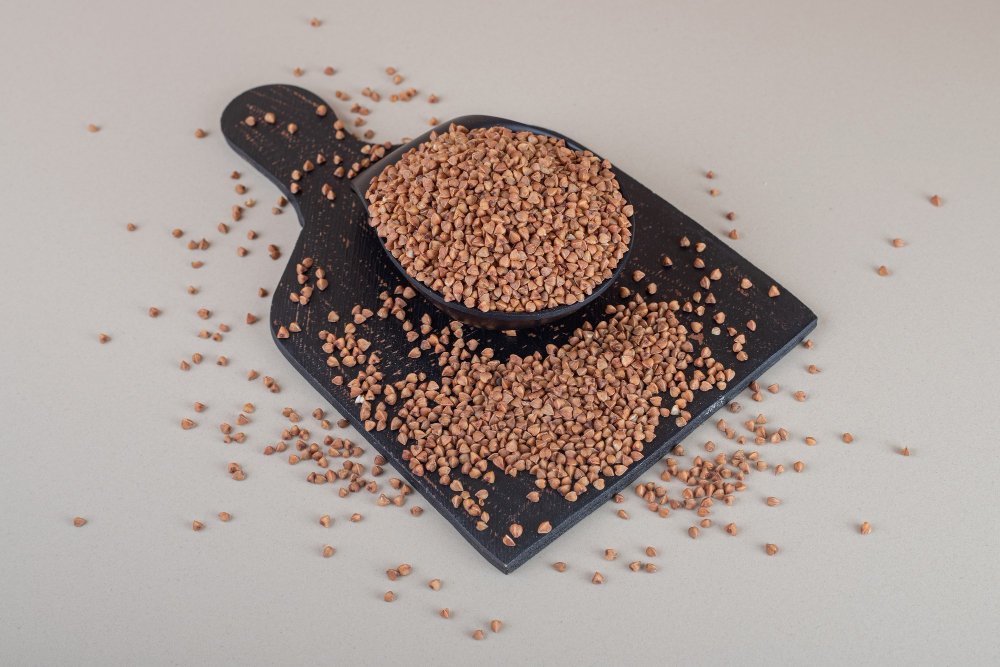
If you’ve been exploring healthier grain options, you’ve probably come across both ragi and millet. The names pop up everywhere in health blogs, grocery stores, and conversations about traditional foods making a comeback. But here’s the question that confuses many people: is ragi the same as millet, or is it just one type among many?
Let’s clear up this confusion once and for all.
Understanding What Millet Actually Means
Here’s the thing most people don’t realize: millet isn’t just one grain. It’s an umbrella term for several small-seeded grasses belonging to the Ponceau family. Think of it like “citrus fruit” that word covers oranges, lemons, and limes, but they’re all different fruits.
Millets include several species that aren’t all closely related, though they all belong to the grass family Poaceae. The different types grow across various tribes and subfamilies within this botanical classification.
What makes these grains special? They’re tough. Millets grow in places where other crops struggle in areas with drought, poor soil, and extreme temperatures. This resilience has made them lifesavers in regions facing food security challenges.
So, what exactly is Ragi?
Now we get to the heart of the question. Ragi is simply another name for finger millet, commonly used in India. The scientific name is Eleusine coracana, and it belongs to the Eragrostideae tribe within the grass family.
The name “finger millet” comes from the plant’s appearance. When the grain heads mature, they look like fingers spreading out from the stem. In different parts of India, people call it by various names ragi in Karnataka and Hindi, kezhvaragu in Tamil, mandua in some northern regions.
Finger millet is a staple grain in many parts of India, especially Karnataka, where it’s known as ragi. It has been part of Indian diets for centuries, particularly in southern and eastern states.
The Ragi Same as Millet Question Answered
Let’s settle this clearly: ragi is not the same as all millets, but it is a specific variety of millet. Here’s a simple way to think about it:
- Millet = A group of small-seeded grains
- Ragi = One particular member of this group (finger millet)
Other common millet varieties include:
- Pearl millet (bajra in India)
- Foxtail millet
- Proso millet (common millet)
- Barnyard millet
- Little millet
- Kodo millet
Each of these has unique characteristics, nutritional profiles, and culinary uses. For agricultural products including quality millet varieties, companies like CMS Industries supply various grains to meet diverse needs across India and internationally.
How Ragi Stands Out from Other Millets
While all millets share certain traits: drought resistance, gluten-free nature, and good nutrition, ragi has some standout features.
Calcium Content
Finger millet contains nearly 350 mg of calcium per 100 grams, significantly higher than other grains. This makes ragi one of the best plant-based calcium sources available. For people who don’t consume dairy products, this is particularly valuable.
Colour Variations
Ragi comes in different colours, red, brown, and white varieties. Red and brown varieties are mostly used in savory preparations while white ragi is used in sweet or baked recipes. The different colours don’t just look different; they also have slightly varying flavors and culinary applications.
Growing Conditions
Finger millet has a slightly higher water requirement than most other millets and is found in cooler, elevated regions up to 2000 meters above sea level. This sets it apart from pearl millet, which thrives in much drier conditions.
Comparing Ragi with Other Popular Millets
Let’s look at how ragi stacks up against other common millets you might encounter.
Ragi vs Bajra (Pearl Millet)
Bajra, or pearl millet, is probably the most widely grown millet globally. Bajra and ragi both have good iron profiles, which help boost energy and manage anemia. But they differ in other nutrients; bajra tends to be higher in protein and magnesium, while ragi wins on calcium content.
Pearl millet grows taller than most millets, with stalks reaching 1.5 to 3 meters. It handles extreme drought better than ragi and produces larger grains. If you’re in a very hot, dry region, bajra might be the easier crop to grow.
Ragi vs Jowar (Sorghum)
Here’s where things get interesting. Technically, jowar (sorghum) isn’t classified as a millet it’s more closely related to corn. Jowar is gentle on the stomach and naturally gluten-free, high in protein. It has a milder taste than ragi and makes softer rotis.
Ragi vs Foxtail Millet
Foxtail millet is lighter and cooks faster than ragi. It’s often used in porridge and pulao. Foxtail millet is high in protein, perfect for those focusing on muscle strength or vegan diets. The texture is less dense than ragi, making it easier to digest for some people.
Why the Ragi Same as Millet Confusion Exists
This confusion is completely understandable. In many Indian languages and English conversations, people use “millet” and “ragi” somewhat interchangeably. When someone says “millet flour” in Karnataka, they often mean ragi flour specifically, since that’s the most common millet in the region.
The global food industry sometimes labels finger millet products simply as “millet,” especially for export markets where finger millet isn’t well-known. This creates the impression they’re the same thing.
For suppliers like CMS Industries, which export various agricultural products including different millet varieties, clear labelling becomes important to help customers understand exactly what they’re purchasing.
The Botanical Classification That Explains Everything
Getting a bit technical helps clear things up. Different millet species belong to different tribes and subfamilies within the Poaceae family. Here’s where finger millet sits:
- Order: Poales
- Family: Poaceae (grass family)
- Subfamily: Chloridoideae
- Tribe: Eragrostideae
- Genus: Eleusine
- Species: E. coracana
Compare this with pearl millet, which belongs to the Panicoideae subfamily and Paniceae tribe. They’re relatives, but not close ones kind of like how foxes and wolves are both canids but different enough to be separate animals.
How Ragi Is Used in Indian Cooking
Understanding how ragi is used differently from other millets helps clarify its distinct identity.
Traditional Preparations
In Karnataka, finger millet is generally consumed as a porridge called ragi mudde, which is the staple diet of many residents of South Karnataka. The flour is cooked with water to form a dough-like consistency, rolled into balls, and eaten with sambar or curries.
In Tamil Nadu and Andhra Pradesh, ragi is made into dosas, idlis, and a thick preparation called ragi kali. These preparations have specific techniques that differ from how other millets are cooked.
Modern Applications
Today, ragi shows up in everything from cookies and pasta to smoothies and bread. Its slightly earthy, nutty flavor works well in both sweet and savoury dishes. Companies like CMS Industries process and supply Different Varieties finger millet that food manufacturers use for various products.
The versatility of ragi flour makes it popular with people looking for gluten-free alternatives to wheat. Unlike some other millets that can taste very bland or have strong flavor’s, ragi’s taste profile appeals to many palates.
Nutritional Benefits That Make Ragi Special
While all millets offer good nutrition, ragi brings some specific advantages worth noting.
Bone Health
That high calcium content we mentioned earlier translates to real benefits. Children, pregnant women, and elderly people often need extra calcium. For children, ragi is fed with milk and sugar because of millet’s high nutritional content, especially iron and calcium.
Blood Sugar Management
Ragi has a low glycemic index, meaning it doesn’t spike blood sugar levels quickly. The high fiber content slows down digestion and glucose absorption. This makes it particularly helpful for people managing diabetes.
Digestive Health
All millets are high fiber, but barnyard millet is especially good for digestive health. Ragi also provides plenty of dietary fiber, which supports healthy digestion and gut bacteria growth.
Where Ragi Grows and Why It Matters
Geography plays a big role in which millets grow where. Finger millet is believed to have originated in the highlands of East Africa, specifically in regions like Ethiopia, where it was cultivated as early as 5000 BC.
From Africa, cultivation spread to Asia. In India, it became particularly important in regions with specific conditions, areas that get moderate rainfall, have hilly terrain, and experience cooler temperatures at higher elevations.
This growing pattern differs from pearl millet, which dominates in the hot, dry Sahel region of Africa and the arid parts of India. Understanding these geographical preferences helps explain why different regions prefer different millets.
For agricultural exporters like CMS Industries based in Gujarat, sourcing quality ragi from appropriate growing regions ensures the grain meets export standards.
Common Myths About Ragi and Other Millets
Let’s bust a few misconceptions that add to the confusion.
Myth 1: All millets taste the same Reality: Each millet has distinct flavor notes. Ragi has an earthy, slightly nutty taste, while foxtail millet is mild, and barnyard millet has a grassy note.
Myth 2: Ragi is too heavy for daily consumption Reality: While ragi Mudde is dense, ragi flour can be used in lighter preparations like dosas, porridge, or mixed with other flours. The key is the preparation method, not the grain itself.
Myth 3: Millets are only for rural or traditional diets Reality: Millets have gone mainstream globally. They’re now featured in urban health food stores and used by modern chefs creating contemporary dishes.
Choosing Between Ragi and Other Millets
So which millet should you choose? The answer depends on your needs.
Choose ragi if you want:
- Maximum calcium intake
- Help managing blood sugar
- A grain with robust flavor
- Traditional South Indian preparations
Choose pearl millet (bajra) if you want:
- Higher protein content
- Better cold-weather food
- Drought-resistant crops
Choose foxtail or little millet if you want:
- Lighter, easier-to-digest options
- Quick-cooking grains
- Mild flavors for picky eaters
The good news? You don’t have to choose just one. Rotating different millets through the week helps you enjoy a full range of benefits.
The Future of Ragi and Other Millets
Interest in millets is growing globally, driven by climate change concerns, health awareness, and food security needs. The United Nations declared 2023 the International Year of Millets, recognizing their importance.
For agricultural businesses, this creates opportunities. CMS Industries and similar companies are expanding their millet processing and export capabilities to meet rising demand from health-conscious consumers worldwide.
Research continues into developing new millet varieties with improved yields, better disease resistance, and enhanced nutrition. Scientists work on making these grains more accessible and appealing to modern consumers.
Practical Tips for Cooking with Ragi
If you’re new to ragi, here are some starting points:
breakfast: Make ragi porridge by cooking the flour with milk or water. Add honey, fruits, or nuts for flavour.
lunch or dinner: Try ragi dosas or rotis. Mix ragi flour 50-50 with wheat flour initially if the taste is too strong for you.
snacks: Ragi cookies or energy balls make nutritious treats. Many recipes are available that require minimal ingredients.
Storage tip: Keep ragi flour in airtight containers in a cool, dry place. Whole ragi grains store longer than flour, so consider buying whole grains and grinding small batches as needed.
Final Thoughts
The ragi question has a clear answer: ragi is not identical to all millets, but it is one specific variety within the millet family. Understanding this distinction helps you make better choices about which grains to include in your diet.
Each millet brings something unique to the table. Ragi stands out for its calcium content and distinctive preparation methods. Pearl millet offers drought resistance and high protein. Foxtail millet provides easy digestibility. Recognizing these differences lets you choose the right grain for your needs.
Whether you’re a home cook exploring healthier options, a business sourcing quality grains, or simply curious about traditional foods making a comeback, knowing the difference between ragi and other millets matters. These ancient grains have fed communities for thousands of years and continue offering solutions for nutrition, sustainability, and food security today.
Frequently Asked Questions
Is ragi and millet the same thing?
No, ragi is not the same as all millets, but it is a specific type of millet called finger millet. Millet is a broad category that includes various small-seeded grains like pearl millet, foxtail millet, and finger millet (ragi). Each type has unique characteristics, growing conditions, and nutritional profiles.
Can I substitute ragi for other millets in recipes?
You can substitute ragi for other millets, but expect differences in taste and texture. Ragi has a stronger, earthier flavour than most millets and creates denser preparations. When substituting, start with half the amount of ragi mixed with another flour, then adjust based on your preference and the specific recipe requirements.
Which is healthier: ragi or bajra?
Both ragi and bajra offer excellent health benefits, but they excel in different areas. Ragi contains significantly more calcium (around 350 mg per 100g), making it better for bone health. Bajra provides higher protein and magnesium content, beneficial for energy and muscle health. The healthiest choice depends on your specific nutritional needs.
Why is ragi called finger millet?
Ragi is called finger millet because of the plant’s distinctive appearance. The grain heads form several spike-like projections that spread out from the top of the stem, resembling fingers on a hand. This visual characteristic led to the common English name “finger millet,” while different Indian languages have their own traditional names for it.
Can CMS Industries supply different types of millets for commercial use?
Yes, CMS Industries supplies various types of millets including finger millet (ragi), pearl millet (bajra), and other grain varieties for commercial purposes. As an agricultural products manufacturer and exporter based in Gujarat, they provide quality grains to businesses across India and internationally, supporting diverse food manufacturing and nutritional needs.