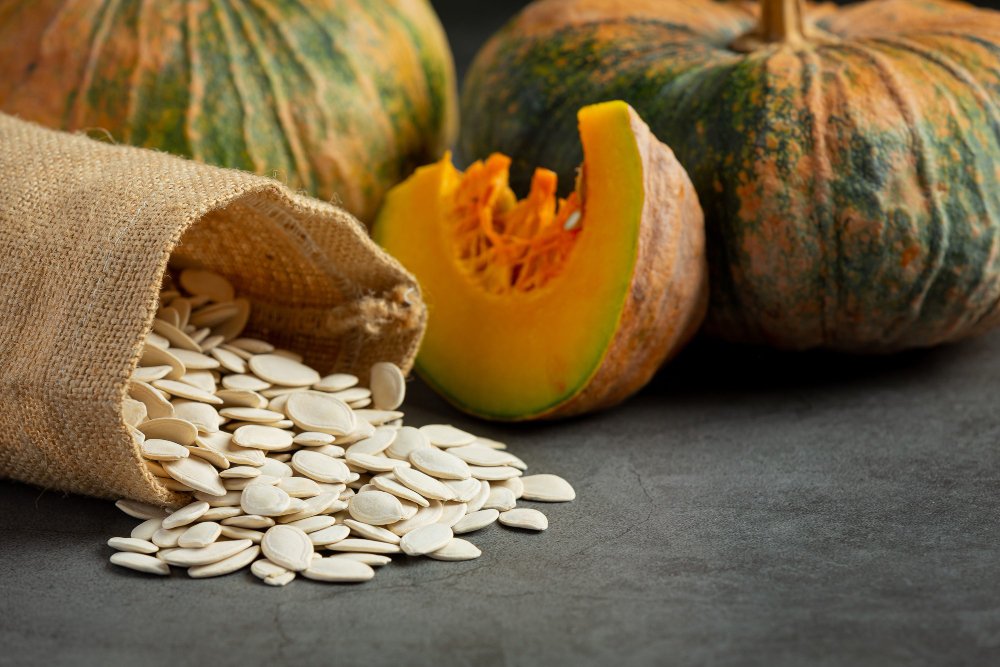
Seeds might seem small, but their nutritional power is anything but. Both sunflower seeds and pumpkin seeds pack a serious punch when it comes to health benefits. If you’re looking for simple ways to boost your diet with nutrient-dense foods, these two seeds deserve a spot in your pantry.
Let’s break down what makes sunflower and pumpkin seeds so special and why they’ve earned their reputation as nutritional powerhouses.
Why Seeds Matter in Your Diet
Before we jump into specifics, here’s why seeds are worth your attention. They’re loaded with healthy fats, protein, fiber, vitamins, and minerals. Unlike processed snacks, seeds give you sustained energy without the sugar crash. Plus, they’re versatile. You can sprinkle them on salads, blend them into smoothies, or just grab a handful as a quick snack.
CMS Industries has been supplying quality oil seeds, including sunflower seeds, to customers across India and beyond for over two decades. As a leading agricultural products manufacturer and exporter based in Kachchh, Gujarat, they understand the value these small seeds bring to the table.
Benefits of Sunflower Seeds and Pumpkin Seeds for Heart Health
Your heart works hard every day. Give it the nutrition it needs.
Sunflower Seeds and Cardiovascular Protection
Research shows that people who eat sunflower seeds regularly may lower their risk of heart disease by up to 15%. Here’s why. Sunflower seeds contain polyunsaturated and monounsaturated fats, the kinds your heart loves. These healthy fats help reduce bad cholesterol (LDL) while supporting good cholesterol (HDL).
A study published in the British Food Journal found that sunflower seeds are rich in linoleic acid, an essential fatty acid that plays a role in maintaining cardiovascular health. The seeds also contain plant compounds like lignans, arginine, and phenolic acids that support heart function.
What’s more, sunflower seeds deliver vitamin E in impressive amounts. Just a quarter cup provides about 90% of your daily recommended intake. Vitamin E acts as an antioxidant, protecting your cells from damage that can lead to heart disease.
Pumpkin Seeds and Blood Pressure Management
Pumpkin seeds bring their own heart-healthy benefits. The magnesium content in these seeds is particularly noteworthy. A quarter cup of pumpkin seeds provides roughly 42% of your daily magnesium needs. This mineral helps relax blood vessels and regulate blood pressure.
According to research from the American Heart Association, the combination of magnesium, arginine, and polyphenols in pumpkin seeds contributes to better endothelial function and nitric oxide production. This process helps relax blood vessels and reduce blood pressure naturally.
Both seeds also contain phytosterols, plant compounds that may help lower cholesterol levels. Animal studies have found that pumpkin seed powder reduces total cholesterol, LDL cholesterol, and triglycerides while increasing HDL cholesterol.
Powerful Antioxidant Properties
Free radicals damage your cells. Antioxidants fight back.
How Sunflower Seeds Combat Oxidative Stress
The benefits of seeds largely come from their high antioxidant content, particularly vitamin E, flavonoids, and phenolic acids. These compounds help protect your cells from oxidative damage that can lead to chronic diseases.
A study from Cleveland Clinic highlighted that sunflower seeds have one of the highest vitamin E contents compared to other seeds. This makes them excellent for protecting against cancer, type 2 diabetes, and inflammation.
The vitamin E in sunflower seeds is especially effective when obtained through food rather than supplements. Research published in Recent Progress in Nutrition confirms that vitamin E plays a role in preserving cardiovascular health and may help prevent several age-related diseases.
Pumpkin Seeds as Antioxidant Powerhouses
Pumpkin seeds are rich in carotenoids and tocopherols, both of which act as antioxidants. These compounds help prevent damage from free radicals that can cause cellular changes leading to cancer and other diseases.
According to a review in the journal Plants, pumpkin seeds contain proteins, vitamins, phytochemicals, and antioxidants that provide anti-inflammatory, antioxidant, and antiviral properties. Laboratory studies show that pumpkin seeds can stop the growth of breast and prostate cancer cells.
The anti-cancer activity of pumpkin seeds may be due to their high antioxidant levels, according to research from WebMD. They may also kill cancer cells by triggering apoptosis, or programmed cell death.
Blood Sugar Control and Diabetes Management
Managing blood sugar doesn’t have to be complicated.
Sunflower Seeds for Blood Sugar Balance
Studies suggest that eating just 30 grams of sunflower seeds daily as part of a healthy diet may reduce fasting blood sugar by about 10% within six months. This benefit comes from a plant compound called chlorogenic acid found in the seeds.
Research from Healthline shows that adding sunflower seeds to foods like bread can help decrease the effect of carbohydrates on your blood sugar. The protein, fat, and fiber in the seeds slow down how quickly your stomach empties, allowing a more gradual release of sugar from carbs.
Pumpkin Seeds and Glycemic Response
Pumpkin seeds contain compounds with hypoglycemic properties. In animal studies with diabetes, pumpkin seed powder reduced fasting blood sugar levels. The significant protein and healthy fat content in pumpkin seeds can help moderate glycemic response when included with carbohydrate-rich meals or snacks.
According to Today’s Dietitian, pumpkin seeds may help protect cells against oxidative damage and support healthy blood sugar levels. The combination of protein, fiber, and healthy fats makes them a smart choice for people managing their blood sugar.
Inflammation Reduction Benefits
Chronic inflammation links to serious health problems. These seeds can help.
Anti-Inflammatory Compounds in Seeds
Eating sunflower seeds regularly may lower inflammation, measured as the level of C-reactive protein in your blood. In a large study, researchers found that people who ate seeds (including sunflower seeds) five or more times a week had 32% lower C-reactive protein scores than those who didn’t eat any seeds.
Both sunflower and pumpkin seeds contain anti-inflammatory properties that can help prevent chronic diseases. According to research published in PMC (PubMed Central), pumpkin seeds have anti-inflammatory, antimicrobial, and analgesic properties that have been used in traditional medicine for centuries.
The vitamin E and phenolic compounds in both seed types work together to reduce inflammation throughout your body. This can help lower your risk of conditions like cardiovascular disease, type 2 diabetes, and certain cancers.
Mineral Content and Nutritional Value
Let’s talk numbers. Here’s what you’re getting.
Magnesium for Multiple Body Functions
Both seeds are excellent sources of magnesium, a mineral that participates in over 300 reactions in your body, including energy production, muscle and nerve function, blood pressure regulation, and heart rhythm. Because magnesium supports metabolism, muscle efficiency, and appetite regulation, these seeds can also function as an effective seed for weight loss when included in a balanced, calorie-controlled diet.
CMS Industries supplies premium quality oil seeds that retain their natural mineral content, ensuring you get maximum nutritional benefits. Their commitment to quality means the sunflower seeds they export maintain their magnesium, zinc, and other mineral content.
Zinc for Immune Function
Pumpkin seeds shine when it comes to zinc. A serving contains about 6.6 milligrams of zinc, which accounts for almost half your recommended daily intake. Zinc is an antioxidant and anti-inflammatory agent that also helps with metabolic processes.
Sunflower seeds also provide zinc, supporting your immune system’s ability to maintain and develop immune cells. Selenium, another mineral found in sunflower seeds, plays a role in reducing inflammation, fighting infection, and boosting immunity.
According to USDA data, both seeds contain important minerals like copper, phosphorus, potassium, and selenium. These minerals support various bodily functions from bone health to energy production.
Protein and Healthy Fats
Looking for plant-based protein? Seeds have you covered.
High-Quality Plant Protein
Pumpkin seeds contain a very high-quality protein, comparable to soy protein. They also provide essential amino acids your body needs. This makes them an excellent choice for vegetarians and anyone looking to add more plant-based protein to their diet.
Sunflower seeds also pack protein, along with beneficial plant compounds. Research from Virginia Polytechnic Institute and State University suggests that sunflower seeds are high in phytochemicals like choline, lignan, phenolic acids, and betaine, plus the amino acid arginine.
Essential Fatty Acids
Both seeds are rich in healthy fats. Sunflower seeds are particularly high in linoleic acid, an omega-6 fatty acid that’s essential for your body. Pumpkin seeds contain polyunsaturated and monounsaturated fats that support heart health.
According to ScienceDirect research, sunflower seeds are an excellent source of essential fatty acids, particularly linoleic acid, which plays a role in maintaining cardiovascular health. The high content of unsaturated fatty acids provides significant health benefits, including enhanced immunity and potential protection against chronic diseases.
Thyroid Health and Selenium
Your thyroid regulates metabolism. Support it with the right nutrients.
Sunflower seeds provide selenium, a mineral that’s critical for thyroid health. A cup of hull-on sunflower seeds provides about 24 micrograms of selenium, roughly 35% of what you need in a day.
Getting enough selenium is essential for proper thyroid function. Cleveland Clinic notes that supporting healthy thyroid function is one of the somewhat unique benefits of sunflower seeds compared to other seeds and nuts.
Digestive Health and Fiber
Good digestion starts with good fiber.
Fiber Content Comparison
Both seeds provide dietary fiber, though the amount varies depending on whether you eat them with or without shells. Sunflower seeds with shells contain about 2 grams of fiber per one-ounce serving. Pumpkin seeds with hulls are also a great source of dietary fiber.
According to the Dietary Guidelines for Americans, more than 90% of women and 97% of men don’t meet recommended intakes for dietary fiber. Adding these seeds to your diet can help bridge that gap.
Fiber promotes good digestive health and has been associated with a reduced risk of heart disease, type 2 diabetes, and obesity. The pectin in pumpkin seed peels also promotes gut health by supporting beneficial bacteria.
Reproductive Health Benefits
These seeds support reproductive function in both men and women.
Zinc and Male Fertility
Low zinc levels are associated with reduced sperm quality and increased risk of infertility in males. Since pumpkin seeds are a rich source of zinc, they may improve sperm quality.
Evidence from animal studies found that supplementing with pumpkin seed oil and vitamin E improved sperm quality and reproductive performance. Pumpkin seeds are also high in antioxidants and other nutrients that can contribute to healthy testosterone levels.
Overall Reproductive Support
The combination of zinc, antioxidants, magnesium, and healthy fats in both sunflower and pumpkin seeds supports overall reproductive health. These nutrients benefit fertility levels and reproductive function, particularly in males, according to research from Healthline.
Skin and Hair Health
Want better skin and hair? Start from the inside.
The vitamin E content in sunflower seeds provides protection for your skin cells from damage. It also helps improve skin texture and appearance. Adding sunflower seeds to your diet can be a natural way to support skin health.
Both seeds contain nutrients that benefit skin and hair health. The healthy fats, vitamins, and minerals work together to nourish your body from the inside out. Many people notice improvements in their skin’s appearance after regularly including these seeds in their diet.
How to Include These Seeds in Your Diet
Making these seeds part of your routine is easier than you think.
CMS Industries offers premium quality sunflower seeds and other oil seeds that are machine-cleaned and sortex-processed for purity. Their products maintain the natural nutrition content while meeting international quality standards.
Here are some simple ways to eat both types of seeds:
- Sprinkle on top of salads for added crunch and nutrition
- Mix into yogurt or oatmeal for breakfast
- Add to trail mix with nuts and dried fruit
- Stir into smoothies for extra protein and healthy fats
- Use as a topping for stir-fries or mixed vegetables
- Blend into energy balls or homemade granola bars
- Spread seed butter on toast (sunflower or pumpkin seed butter)
- Add to baked goods like muffins, bread, or cookies
- Eat raw or roasted as a standalone snack
Portion Size and Precautions
More isn’t always better. Here’s what you need to know.
Recommended Serving Sizes
One ounce (less than 1/4 cup) daily is all you need for health benefits. Both seeds are calorie-dense, with sunflower seeds containing about 165 calories per ounce. If you’re watching your weight, stick to recommended portions.
Many packaged seeds come loaded with salt. Look for unsalted varieties to get the most health benefits without the extra sodium. Seeds straight from whole pumpkins are lower in sodium and have more minerals than store-bought versions, according to the American Heart Association.
Potential Side Effects
Some people may have allergic reactions to sunflower or pumpkin seeds. If you’re sensitive to seeds, introduce them slowly into your diet and watch for any reactions.
Both seeds contain phytic acid, which can bind to mineral nutrients in your digestive system and reduce absorption. Roasting seeds can help reduce phytic acid content while enhancing flavor and making antioxidants more available.
If your stomach isn’t used to high-fiber foods, start with just a few seeds and gradually increase your intake. Eating too many seeds with shells can cause digestive discomfort for some people.
Storage and Preparation Tips
Keep your seeds fresh and tasty.
Store both sunflower and pumpkin seeds in an airtight container in a cool, dry place. For longer storage, keep them in the refrigerator or freezer. This prevents the healthy oils from going rancid.
You can eat both seeds raw or roasted. Roasting brings out the flavors, aroma, and texture while increasing the amounts of antioxidants available. To roast pumpkin seeds from a fresh pumpkin, clean them, pat dry, toss with a small amount of oil if desired, and bake at 300°F (150°C) for about 30-40 minutes until golden.
Final Thoughts
The benefits of sunflower seeds and pumpkin seeds go far beyond their small size. These nutritional powerhouses support heart health, reduce inflammation, help manage blood sugar, provide essential minerals, and offer quality protein and healthy fats. Whether you’re looking to improve your overall health or address specific nutritional needs, adding these seeds to your diet is a simple step with significant benefits.
Choose quality seeds from trusted suppliers like CMS Industries, which has built a reputation over two decades for providing premium agricultural products that meet global standards. Their commitment to quality means you get seeds that retain their natural nutritional value.
Start with small portions, find creative ways to include them in meals you already enjoy, and pay attention to how your body responds. Your heart, blood sugar, immune system, and overall health will thank you.
Frequently Asked Questions
Q: Can I eat sunflower seeds and pumpkin seeds every day?
Yes, you can eat both types of seeds daily in moderation. A quarter cup or about one ounce per day is recommended. This portion provides health benefits without excessive calories. Start with smaller amounts if you’re new to eating seeds, and gradually increase to allow your digestive system to adjust to the fiber content.
Q: Which is healthier: sunflower seeds or pumpkin seeds?
Both seeds offer unique nutritional benefits, so neither is definitively “healthier.” Sunflower seeds excel in vitamin E content and have higher amounts of certain B vitamins. Pumpkin seeds provide more zinc and magnesium. For best results, include both in your diet to get a wider range of nutrients and health benefits.
Q: Should I eat seeds with or without shells?
Seeds with shells contain more fiber, which benefits digestive health. Shells also slow down your eating pace, helping control portions naturally. Shelled seeds are more convenient and still nutritious, though they have less fiber. Choose based on your preference and dietary needs, but always avoid eating sunflower seed shells as they’re not digestible.
Q: Do roasted seeds have the same nutritional value as raw seeds?
Roasted seeds retain most of their nutritional value and may have higher antioxidant availability. Roasting can reduce some vitamin content slightly but makes minerals more accessible. The main concern with roasted seeds is added salt, so choose unsalted varieties when possible. Both raw and roasted seeds offer substantial health benefits.
Q: Can these seeds help with weight management?
These seeds can support weight management when eaten in appropriate portions. The protein, fiber, and healthy fats help you feel full longer, reducing overall calorie intake. They also provide sustained energy without blood sugar spikes. Keep portions to about one ounce daily and include them as part of a balanced diet rather than eating them in unlimited amounts.