If you’ve ever stood in the grain aisle wondering whether barley and millet are the same thing, you’re not alone. With both grains gaining popularity for their nutritional benefits and the recent surge in interest in ancient grains, the confusion is understandable. Let’s clear this up once and for all.
What Is Barley?
Barley (scientifically known as Hordeum vulgare) belongs to the grass family Poaceae and has been cultivated for over 10,000 years. This ancient cereal grain originated in the Fertile Crescent region of Western Asia and quickly spread throughout Eurasia.
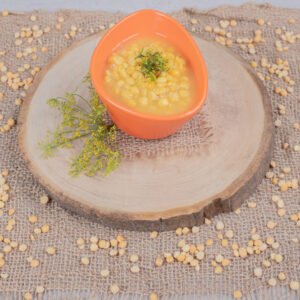
The grain appears larger than most millets, with an elongated shape and a distinctive herringbone pattern when arranged on the spike. Each barley grain comes with a tough outer husk that needs removal before consumption. This processing step creates different forms like pearl barley, hulled barley, and barley flour.
Barley thrives in temperate climates and ranks as the fourth most cultivated cereal globally, following maize, rice, and wheat. The grain’s versatility shows in its many uses, from brewing beer to making bread, soups, and stews. About 70% of global barley production serves as animal feed, while 30% goes toward fermentable materials for beverages and various food products.
What Are Millets?
Millets are small-seeded annual grasses belonging primarily to the tribe Paniceae, widely cultivated as cereal crops in semiarid tropics of Asia and Africa. Unlike barley, which represents a single species, millet refers to multiple grain varieties with different characteristics.
Common millet varieties include:
- Pearl Millet (Bajra): Rich in iron and fiber, popular in Rajasthan and Gujarat
- Finger Millet (Ragi): Contains the highest calcium content among cereal grains
- Foxtail Millet: High in protein and easily digestible
- Proso Millet: Rich in protein and B vitamins
- Barnyard Millet: Offers low glycemic index benefits
These crops favor hot, dry conditions and show remarkable tolerance to drought and poor soil quality. This resilience makes them perfect for regions where other grains struggle to grow.
Barley Is Millet? The Answer Is No
Here’s the straightforward answer: barley is not a millet. While both belong to the grass family Poaceae, they represent distinct types of cereal grains with separate botanical classifications and characteristics.
Botanical Classification Differences
Barley belongs to the genus Hordeum within the Triticeae tribe, closely related to wheat and rye. This relationship places barley in what scientists call the BOP clade of grasses.
Millets belong to different genera within the Paniceae tribe and fall under the PACMAD clade, making them more closely related to sorghum and maize. This fundamental difference in plant taxonomy means they evolved separately and developed distinct characteristics over millions of years.
Physical Appearance
The grains look different when you compare them side by side. Barley grains appear larger and more elongated, measuring several millimeters in length. The tough outer husk requires mechanical removal through processing.
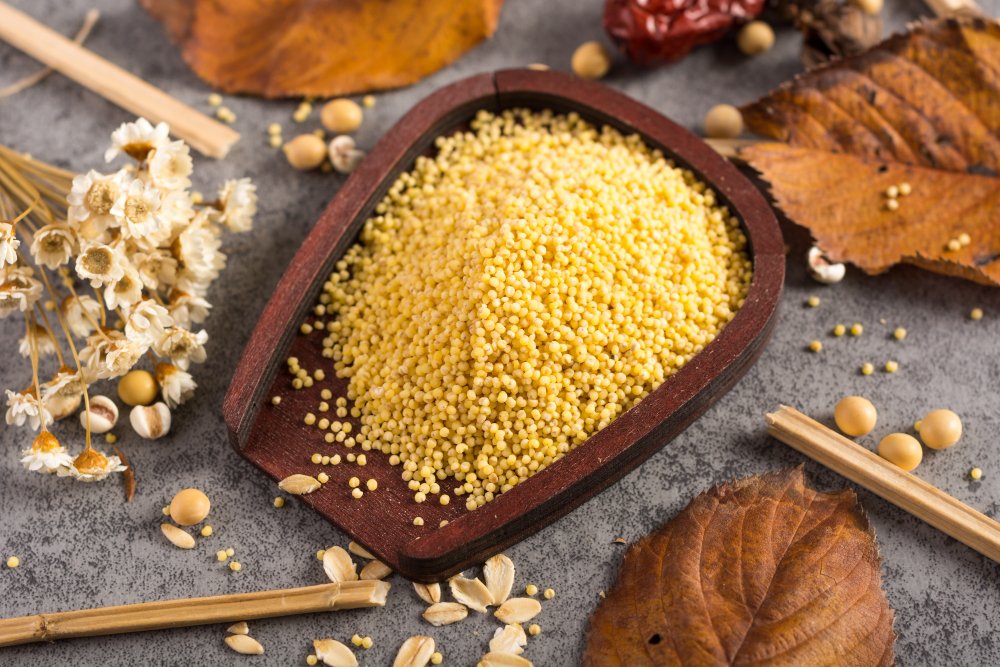
Millet grains are tiny, round, and come in various colors depending on the variety. Some appear white, others yellow, red, or even black. Most millet varieties can be consumed with minimal processing, as their husks come off more easily.
Growing Conditions
Barley thrives in cooler climates with moderate temperatures, showing decent tolerance for drought and soil salinity but less winter hardiness than wheat. Farmers typically grow barley in temperate regions across Europe, North America, and parts of Asia.
Millets grow best in warm, arid conditions and demonstrate exceptional drought resistance. These crops need minimal water and can produce yields in poor soil conditions where other cereals would fail. This makes them particularly suitable for semiarid regions in Africa and India.
Nutritional Profile Comparison
Both grains pack nutritional benefits, but their profiles differ in meaningful ways.
Barley Nutrition
Barley stands out for its high soluble fiber content, particularly beta-glucan. This type of fiber helps lower cholesterol levels and supports heart health. The grain provides good amounts of selenium, manganese, phosphorus, and various B vitamins.
The grain’s high fiber content aids digestion and promotes a healthy gut while helping regulate blood sugar levels. Barley contains gluten, which makes it unsuitable for people with celiac disease or gluten sensitivity.
Millet Nutrition
Millets offer a gluten-free alternative with impressive nutritional credentials. Different varieties provide varying nutrient profiles, but most share common benefits.
Finger millet contains 10 times more calcium than rice or wheat, making it excellent for bone health. Pearl millet provides abundant iron and zinc. Most millets offer high protein content and good amounts of magnesium, phosphorus, and antioxidants.
Millets contain phenolic compounds and other antioxidants that may help reduce chronic disease risk. Their low glycemic index makes them suitable for people managing diabetes.
Culinary Uses and Applications
Cooking with Barley
The grain’s chewy texture and nutty flavor make it popular in various dishes. People commonly add barley to soups and stews, where it absorbs flavors while maintaining its texture. Ground into flour, it works in bread, cakes, and cookies.
Barley water serves as a traditional beverage in many cultures, offering a refreshing drink with health benefits. The brewing industry relies heavily on malted barley for beer production.
Cooking with Millets
Millets work well as rice substitutes in pilafs, stir-fries, and side dishes. The grains cook faster than brown rice and absorb flavors readily. In India, people make traditional items like roti, dosa, and idli using various millet flours.
The mild flavor of most millets allows them to pair easily with different ingredients and spices. This versatility helps explain their growing popularity in modern kitchens. Companies like CMS Industries recognize this trend and supply diverse millet varieties to meet increasing demand.
Health Benefits Comparison
Barley Health Benefits
Regular barley consumption supports digestive health through its high fiber content. The soluble fiber helps feed beneficial gut bacteria and promotes regular bowel movements.
Studies show that barley can help lower cholesterol levels and regulate blood sugar, making it beneficial for heart health and diabetes management. The grain’s slow-digesting carbohydrates provide sustained energy without causing blood sugar spikes.
Millet Health Benefits
The gluten-free Grains nature of millets makes them suitable for people with celiac disease or gluten intolerance. Their low glycemic index helps maintain steady blood sugar levels, particularly beneficial for diabetics.
Different millet varieties offer specific health advantages. Finger millet supports bone health through its high calcium content. Pearl millet helps combat anemia with its iron content. The antioxidants in various millets may help reduce inflammation and protect against chronic diseases.
Sustainability and Climate Resilience
Both grains contribute to food security, but millets show particular promise in the face of climate change.
Millets require significantly less water than other cereals and adapt well to poor soil conditions. Their short growing season and drought resistance make them climate-smart crops for regions facing water scarcity.
Barley also demonstrates some drought tolerance but needs more water than millets. However, its ability to grow in cooler climates makes it suitable for regions where millets struggle.
Organizations like CMS Industries play a role in promoting sustainable grain production by sourcing and supplying quality grains that support diverse agricultural systems.
Market Trends and Availability
The 2023 International Year of Millets has sparked renewed interest in these ancient grains. India leads global millet production with 11.8 million tons annually, accounting for 38% of world production.
Barley remains more established in Western markets, with steady demand from the brewing and food industries. Global barley production reached 146 million tones in 2023, reflecting its continued importance in agriculture.
Price differences exist between the grains. Barley typically costs less in regions where it grows locally. Millets vary in price depending on the variety and source, but their increasing popularity is improving availability and affordability.
CMS Industries has responded to growing demand by expanding their range of millet varieties alongside traditional grains like barley. This reflects the changing preferences of health-conscious consumers seeking diverse, nutritious grain options.
Making the Right Choice for Your Diet
Choosing between barley and millet depends on your dietary needs and preferences.
Select barley if you:
- Want high fiber content for digestive health
- Prefer a chewy texture in soups and stews
- Don’t have gluten sensitivities
- Need a grain that pairs well with hearty winter dishes
Choose millets if you:
- Follow a gluten-free diet
- Need to manage blood sugar levels
- Want calcium-rich options for bone health
- Prefer lighter, quicker-cooking grains
- Support sustainable agriculture in arid regions
Both grains deserve a place in a balanced diet. Many people find success incorporating both, using barley in cooler months and millets during warmer seasons.
The Role of Quality Suppliers
Finding quality grains matters for both taste and nutrition. CMS Industries specializes in supplying premium grains, including various millet varieties and barley, to markets worldwide. Their commitment to quality sourcing and sustainable practices helps ensure that consumers receive nutritious grains that meet international standards.
With over two decades of experience in agricultural exports, such suppliers connect traditional farming communities with modern markets, supporting both farmers and health-conscious consumers.
Conclusion
Barley is not a millet. These grains represent distinct species with different botanical classifications, growing requirements, and nutritional profiles. Barley belongs to the Triptycene tribe alongside wheat and rye, while millets encompass various species in the Paniceae tribe.
Both grains offer valuable nutritional benefits and deserve consideration in healthy diets. Barley excels in fiber content and supports heart health, while millets provide gluten-free options with diverse nutrient profiles. Your choice between them should reflect your dietary needs, cooking preferences, and health goals.
As consumer interest in ancient grains continues growing, understanding these differences helps you make informed decisions about the foods you eat. Whether you choose barley, millets, or both, quality matters. Trusted suppliers like CMS Industries ensure you receive premium grains that deliver both nutrition and flavor.
The grain aisle might still seem crowded with options, but now you know exactly where barley and millets stand. They’re not the same, but both deserve recognition as nutritious, versatile grains that can enhance your diet in different ways.
Frequently Asked Questions
Q1: Can I substitute barley for millet in recipes?
Not always successfully. Barley has a chewier texture and takes longer to cook than most millets. The gluten in barley also affects baking properties differently than gluten-free millets. For soups and stews, you might manage the substitution with adjusted cooking times. For gluten-free baking, millets work better. Consider the specific recipe requirements and whether the gluten content matters for your dietary needs before substituting.
Q2: Which grain is better for weight loss, barley or millet?
Both support weight loss goals through different mechanisms. Barley’s high fiber content keeps you feeling full longer and helps control appetite. Millets offer lower calories in some varieties and their low glycemic index prevents blood sugar spikes that trigger hunger. The best choice depends on your overall diet plan and whether you need gluten-free options. Both work well when consumed as part of balanced meals.
Q3: Are there any side effects of consuming barley or millets?
Most people tolerate both grains well. Barley contains gluten, causing problems for those with celiac disease or gluten sensitivity. Some people experience bloating or gas when first adding these high-fiber grains to their diet. Start with small portions and increase gradually to let your digestive system adjust. People with grain allergies should consult doctors before trying new grains.
Q4: How should I store barley and millets at home?
Store both grains in airtight containers in cool, dry places away from direct sunlight. Whole grain forms last longer than ground flour. Barley stays fresh for up to one year when stored properly. Millets typically maintain quality for six months to one year. Refrigeration extends shelf life, particularly in humid climates. Check regularly for signs of moisture or pests and discard if the grains develop off odors.
Q5: Why are millets becoming more popular than barley in recent years?
Several factors drive millet’s rising popularity. Government initiatives, particularly in India, promote millet consumption for health and sustainability. Their gluten-free nature appeals to people with dietary restrictions. Lower water requirements make them environmentally friendly choices. Growing awareness of their nutritional benefits attracts health-conscious consumers. Barley remains popular but serves more established markets in brewing and traditional cuisines.