Picture this: you’re wandering through a grocery store, trying to find gluten-free options that don’t taste like cardboard. You’ve tried quinoa, amaranth, and buckwheat. But have you given millet a proper chance? This tiny golden grain might just be the gluten-free solution you’ve been overlooking.
India produces 38.4% of the world’s millet, making it a global powerhouse for these ancient grains. Yet many people still don’t know what millet is, let alone why it deserves a spot in their kitchen. Let’s break down why this grain family deserves more attention.
What Makes Millet Special?
Millet isn’t just one grain. It’s actually a family of small-seeded grasses that have been feeding people for over 7,000 years. The most common types include pearl millet (bajra), finger millet (ragi), foxtail millet, and proso millet.
These grains grow in places where other crops struggle. They need minimal water and can handle drought conditions better than wheat or rice. That’s why they’ve been staples in Asia and Africa for centuries.
Why Millet Deserves the Title of Most Underrated Gluten-Free Grain
Here’s the thing: millet checks all the boxes for a superfood, yet it remains in the shadows of quinoa and other trendy grains.
Natural Gluten-Free Properties
Unlike wheat, barley, and rye, millet contains zero gluten. For the 6 to 8 million Indians living with celiac disease, this matters. Northern India, where wheat consumption is highest, sees celiac disease prevalence around 1%, with diagnosis rates doubling every 20 years.
But here’s what makes millet different from other gluten-free options: it’s easier to digest. The grain has a higher pH level, making it alkaline rather than acidic. Your body processes it more smoothly than many other grains.
Nutritional Power That Rivals Any Grain
One cup of cooked millet gives you:
- 6 grams of protein
- 2 grams of fibre
- Rich amounts of iron, magnesium, and phosphorus
- B vitamins and folate
Finger millet contains ten times more calcium than other grains. That’s right ten times. And barnyard millet has five times more iron than steak. These aren’t small differences we’re talking about.
Climate Resilience Matters Now More Than Ever
Research from NASA warns that climate change could reduce maize yields by 24% by 2030. Rice exposed to expected CO2 levels will have lower protein, iron, and zinc. Wheat production faces similar challenges.
Millet thrives in these exact conditions. It needs 79 liters of water per kilogram me compared to 596 for rice and 729 for wheat. In a world where water scarcity is growing, this difference is huge.
How Millet Stacks Up Against Other Gluten-Free Grains
Let’s be honest about how millet compares to the competition.
Millet vs Quinoa: Quinoa gets all the praise as a complete protein. Millet doesn’t have all nine essential amino acids on its own. But pair it with chia or flaxseed, and you’re sorted. Plus, millet costs less and grows more sustainably.
Millet vs Rice: Both are staples, but millet wins on nutrition. It has more protein, fibre, and minerals. The glycemic index is lower too, making it better for blood sugar control.
Millet vs Wheat: For those with celiac disease or gluten sensitivity, this isn’t even a contest. Millet provides nutrition without the inflammatory response.
The Health Benefits You Should Know About
Blood Sugar Management
Millet has a low glycemic index. Studies show it can help regulate blood sugar levels, making it suitable for people managing diabetes. The fiber content slows down glucose absorption.
Gut Health Support
The insoluble fiber in millet acts as a prebiotic. It feeds the good bacteria in your gut microbiome. Better gut health means better overall health.
Heart Health
Millet contains magnesium and potassium, which help regulate blood pressure. The antioxidants, particularly in varieties like kodo millet, protect against oxidative stress.
Bone Strength
Thanks to finger millet’s calcium content, regular consumption supports bone health. This is especially relevant in India, where dairy isn’t the only calcium source people rely on.
Why Hasn’t Millet Caught On Yet?
If millet is so great, why isn’t everyone eating it? A few reasons:
- Lack of awareness: Most people simply don’t know about millet’s benefits. The Green Revolution of the 1960s pushed wheat and rice to the forefront, and millet got left behind.
- Limited availability of processed products: You can find quinoa everything these days, pasta, flour, snacks. Millet products are harder to find, though companies like CMS Industries are working to change this by offering various millet varieties and flours.
- Perception issues: In India, millet was historically seen as “poor people’s food.” That stigma stuck around even as nutritional science proved its worth.
- Cooking knowledge gap: People don’t know how to cook millet. It’s not complicated, but if you’ve never tried it, you might not know where to start.
The good news? This is changing. The United Nations declared 2023 the International Year of Millets. The Government of India incorporated millets into its Public Distribution System in 2024. These steps are bringing millet back into mainstream consciousness.
How to Use Millet in Your Kitchen
Cooking millet is simpler than you think. Here’s the basic method:
- Rinse the millet thoroughly
- Use a 2:1 water-to-millet ratio
- Bring to a boil, then simmer for 15 minutes
- Let it sit for 10 minutes with the lid on
- Fluff with a fork
Now, what can you make with it?
- Breakfast porridge: Cook millet with milk, add cinnamon and fruit
- Grain bowls: Use it as a rice substitute with vegetables and protein
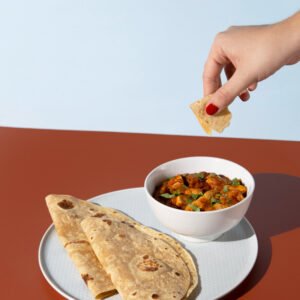
- Baking: Millet flour works great in rotis, pancakes, and muffins
- Salads: Cooked and cooled millet adds texture to salads
- Khichdi: Mix with dal for a comforting meal
The taste is mild and slightly nutty. It won’t overpower other flavors in your dish.
The Market is Growing
The global millet market was valued at $15.3 billion in 2024. It’s expected to reach $23.4 billion by 2034. That’s a 4.4% annual growth rate.
Countries like the United States, Canada, Germany, and Japan are launching more millet-based products. The demand for gluten-free, high-fiber foods is driving this growth.
Indian farmers are at the center of this movement. With support from initiatives like the Shree Anna programmer, millet farming is becoming more profitable. Suppliers like CMS Industries, based in Gujarat, have been providing quality millet varieties for two decades, connecting farmers with global markets.
What About the Downsides?
Let’s be balanced here. Millet isn’t perfect.
Antinutrients: Like many grains, millet contains phytates and tannins that can reduce mineral absorption. Soaking, sprouting, or fermenting millet before cooking reduces these compounds.
Not a complete protein: You’ll need to combine millet with other protein sources if you’re relying on it heavily.
Thyroid concerns: Some studies suggest excessive raw millet consumption might interfere with iodine absorption. Cooking eliminates this concern, and moderate consumption poses no risk.
Making the Switch: Practical Tips
If you want to try millet, start small:
- Replace rice once a week: Swap your regular rice with millet for one meal. See how you like it.
- Mix it in: Combine millet flour with wheat flour (if you can have gluten) or other gluten-free flours in a 1:3 ratio for rotis or baking.
- Try different varieties: Each type of millet has a unique flavor. Experiment to find your favorite.
- Source quality products: Look for suppliers who test for purity. CMS Industries offers machine-cleaned, sorted-processed millet that retains nutritional value.
- Join the community: Online groups and celiac support networks share recipes and tips for cooking with millet.
The Bigger Picture
Millet isn’t just about personal health. It’s about food security and environmental sustainability.
With climate change threatening traditional grain production, we need alternatives. Millet grows in degraded soils, requires minimal inputs, and can help restore soil health through crop rotation. When comparing millet vs other millet varieties, many of them share these resilient traits, making the entire millet family a strong solution for future agriculture.
The Food and Agriculture Organization found that upscaling millet production could significantly reduce agriculture’s water footprint. In a country like India, where water stress is real, this matters.
So, Is Millet the Most Underrated Gluten-Free Grain?
The evidence says yes.
Millet offers nutrition that rivals or beats quinoa, rice, and wheat. It grows sustainably in challenging conditions. It’s naturally gluten-free and easier to digest than many alternatives. The only thing holding it back is awareness.
The millet underrated gluten-free grain label fits because people simply don’t know about it yet. But that’s changing. From ancient staple to modern superfood, millet is making a comeback.
Whether you have celiac disease, gluten sensitivity, or just want to diversify your diet, millet deserves a place on your plate. Start with one variety. Learn to cook it. Give your body the benefits of this ancient grain that’s been feeding people for thousands of years.
The next time you’re in the grocery store, skip past the usual options. Look for millet. Your health and the planet will thank you.
Frequently Asked Questions
Is millet safe for people with celiac disease?
Yes, millet is completely safe for people with celiac disease. It’s naturally gluten-free and contains no proteins that trigger the autoimmune response associated with celiac disease. Just make sure to buy certified gluten-free millet to avoid cross-contamination during processing.
How does millet compare nutritionally to quinoa?
Millet and quinoa are both nutritious, but they differ in key areas. Quinoa is a complete protein with all nine essential amino acids, while millet needs to be paired with other foods for complete protein. However, millet is easier to digest, has a lower glycemic index, and costs considerably less. Both are gluten-free and rich in minerals.
Can diabetics include millet in their diet?
Absolutely. Millet has a low glycemic index, which means it doesn’t spike blood sugar levels as quickly as rice or wheat. The high fibre content slows glucose absorption, making it a better choice for people managing diabetes. Studies show regular millet consumption can help regulate blood sugar levels.
Which type of millet is most nutritious?
Each millet variety offers unique benefits. Finger millet (ragi) has the highest calcium content ten times more than other grains. Kodo millet leads in fiber and antioxidants. Barnyard millet contains exceptional iron levels. Pearl millet (bajra) is rich in protein. The best approach is to rotate different varieties to get diverse nutrients.
Where can I buy quality millet in India?
Quality millet is available through established agricultural suppliers like CMS Industries, which offers various millet types including pearl millet, finger millet, and other varieties. You can also find millet at organic food stores, specialty grain shops, and increasingly in regular supermarkets. Look for machine-cleaned, sorted-processed options that maintain nutritional integrity.