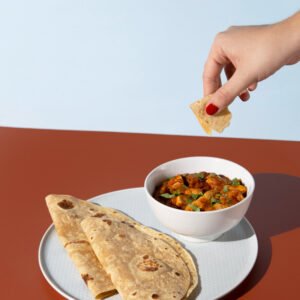
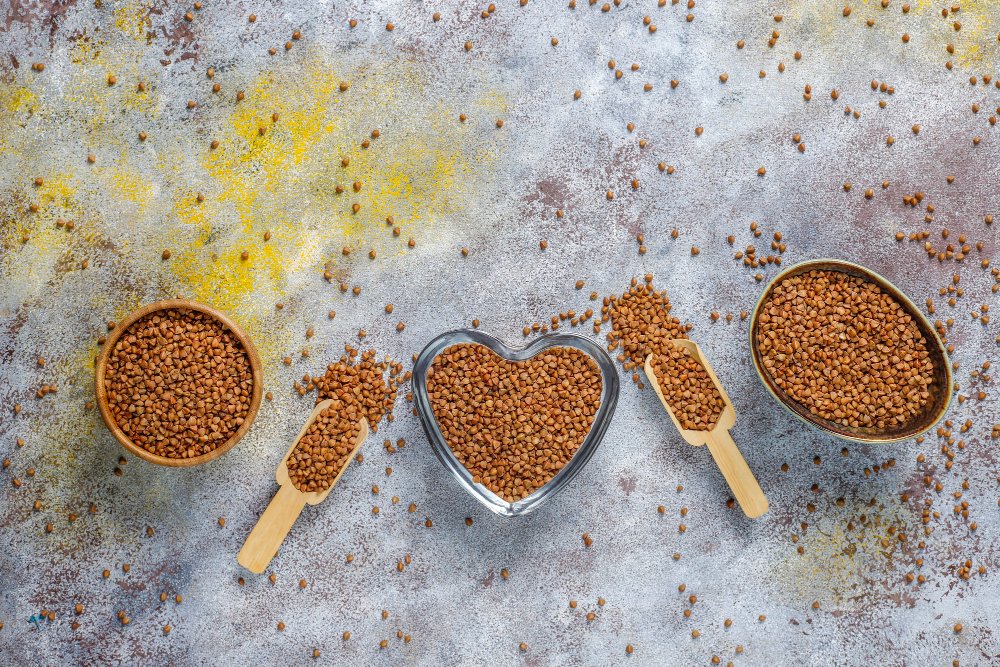
Foxtail millet has emerged as a popular grain among health-conscious individuals seeking nutritious alternatives to refined cereals. This ancient grain, scientifically known as Seteria italica, offers a gluten-free option packed with proteins, fiber, and minerals. Understanding both its benefits and potential side effects helps you make informed dietary choices.
Understanding Foxtail Millet: An Ancient Nutritional Powerhouse
Foxtail millet is a small-seeded cereal grain that has nourished populations for thousands of years. The grain gets its name from the resemblance of its seed head to a fox’s bushy tail. These yellowish grains are grown primarily in Asia and Africa, where they thrive in semi-arid regions with minimal water requirements.
Archaeological evidence suggests this grain made its way from Africa to China almost 4,000 years ago. Today, India cultivates foxtail millet mainly in southern states including Andhra Pradesh, Karnataka, and Tamil Nadu At CMS Industries, a leading agricultural products manufacturer based in Kachchh, Gujarat, foxtail millet represents part of their diverse grain portfolio that supports farmers and meets global agricultural needs.
This drought-resistant crop requires minimal resources, making it an eco-friendly choice for sustainable agriculture. The plant grows well in sandy soil with a pH range of 5.5 to 7, producing small grains measuring 2-3 millimeters that can be white, yellow, red, or black depending on the variety.
Nutritional Profile: What Makes Foxtail Millet Special?
Per 100 grams, foxtail millet contains about 12 grams of protein and 3 grams of fiber. The grain provides a complete nutritional package with the following profile per 100-gram serving:
- Calories: Approximately 350 kcal
- Protein: 12 grams
- Carbohydrates: 60 grams
- Dietary Fiber: 6-8 grams
- Fat: 4 grams
- Iron: 3 mg
- Calcium: 31 mg
- Magnesium: 81 mg
- Phosphorus: 100-290 mg
- Potassium: 250 mg
The grain stands out for its low glycemic index of approximately 50, making it suitable for blood sugar management. Rich in Vitamin B12, it supports heart health, nervous system function, and promotes healthy skin and hair growth.
Health Benefits: Why Choose Foxtail Millet?
Blood Sugar Management
The low glycemic index makes foxtail millet less likely to cause blood sugar spikes. The whole grain structure means your body takes longer to digest it compared to refined grains. This slow digestion leads to gradual glucose release into the bloodstream, making it an excellent choice for diabetics and those managing their weight.
Research shows that regular consumption can improve insulin sensitivity and glucose metabolism. The high fiber content also contributes to better blood sugar control by slowing down carbohydrate absorption.
Heart Health Support
Foxtail millet is low in bad cholesterol and high in good fats and essential amino acids, which help reduce plaque build-up in arteries. The grain contains amino acids like methionine and lecithin that play roles in cholesterol reduction. Studies show it helps form acetylcholine, a neurotransmitter that aids in message transfer between muscles and nerves, protecting the heart from various ailments.
Digestive Health Benefits
The high fiber content promotes smooth bowel movements and prevents constipation. It promotes healthy digestion and regular bowel movement while supporting a healthy gut microbiome. Consuming foxtail millet with vegetables enhances digestive benefits and ensures proper nutrient absorption.
Weight Management Support
Foxtail millet’s high fiber content and low glycemic and calorie content make it great for weight loss planning. The grain contains tryptophan, an amino acid that reduces appetite and helps decrease belly fat. The protein and fiber combination promotes satiety, helping you feel fuller for longer periods and reducing unnecessary snacking. Along with this, incorporating Indian spices is best for weight management as they naturally boost metabolism and support healthy digestion.
Bone Strength and Immunity
The grain provides calcium, phosphorus, and magnesium—minerals essential for maintaining bone density and preventing conditions like osteoporosis. It contains 31 mg of calcium and 81 mg of magnesium per 100 grams, along with iron, vitamin C, and vitamin A, which strengthen bones naturally.
Natural iron content helps reduce muscular spasms and eases restless leg syndrome. The antioxidants, including flavonoids and phenolic acids, strengthen the immune system and combat oxidative stress.
Potential Side Effects: What You Need to Know
While foxtail millet offers numerous health benefits, awareness of potential side effects ensures safe consumption.
Thyroid Function Concerns
Goitrogens are compounds present in foxtail millet that affect thyroid function. These naturally occurring substances can interfere with iodine uptake by the thyroid gland. While cooking or processing millet reduces goitrogenic compounds’ potency, individuals with thyroid dysfunction should exercise caution.
For individuals with hypothyroidism, excessive millet consumption could inhibit iodine uptake, potentially worsening the condition. Research shows goiter risk was higher in those who had 75% of their calories from millet compared to 37%.
Here’s what you should know:
- Cooking thoroughly reduces goitrogenic effects
- Moderate consumption generally poses minimal risk
- Individuals with thyroid issues should consult healthcare providers before regular consumption
- Maintaining adequate iodine intake remains crucial
Kidney Stone Risk
The oxalates present in foxtail millets are a leading contributor to kidney stones. People prone to kidney stones should consume foxtail millet in moderation. If you experience unusual symptoms or lower abdomen pain, consult your healthcare provider immediately.
Digestive Issues
When not prepared properly, foxtail millet may cause digestive discomfort. Improper soaking or cooking can lead to gas and bloating because phytic acid may hinder digestion. Consuming excessive amounts without adequate water intake might rarely cause constipation.
Proper preparation methods prevent these issues:
- Rinse thoroughly before cooking
- Soak for 4-6 hours to enhance digestibility
- Cook with a 2:1 water-to-millet ratio
- Drink plenty of water throughout the day
Allergic Reactions
Some individuals may develop allergic reactions after consuming foxtail millet in large amounts, with symptoms including itching, throat irritation, breathing difficulties, or swelling. If you’re trying foxtail millet for the first time, start with small portions and monitor your body’s response. Conduct a patch test if you have concerns about grain allergies.
How to Use Foxtail Millet Safely
Cooking Methods
Foxtail millet can be prepared similarly to rice or quinoa:
- Basic Cooking: Rinse thoroughly, combine with water in a pot, bring to boil, reduce heat, and simmer for 20-30 minutes until tender.
- As Rice Substitute: Use in biriyani, fried rice, or pulao recipes for a healthier alternative.
- Flour Form: Grind into flour for making rotis, dosas, idlis, or baked goods.
- Breakfast Options: Prepare porridge with milk or water, adding honey or fruits for natural sweetness.
- Salads and Soups: Add cooked millet to salads or soups for extra nutrition and texture.
Recommended Consumption
Nutrition experts recommend consuming 90-100 grams of foxtail millet daily. You can include it in any meal—breakfast, lunch, or dinner—without specific time restrictions. Rotating different types of millets and grains ensures balanced nutrition and prevents overconsumption of any single grain.
CMS Industries emphasizes the importance of quality when selecting foxtail millet. Their commitment to providing premium grains ensures customers receive products with higher nutrition content, processed under stringent quality standards.
Who Should Be Cautious?
Certain individuals should exercise extra caution or consult healthcare providers before adding foxtail millet to their regular diet:
- Thyroid Patients: Those with hypothyroidism or other thyroid disorders should discuss consumption with their doctor.
- Kidney Stone History: People prone to kidney stones should limit intake due to oxalate content.
- Pregnancy: While generally beneficial due to high iron and folic acid content, pregnant women should consult healthcare providers for personalized dietary advice.
- Grain Allergies: Individuals with known grain allergies should conduct patch tests before consumption.
- Digestive Disorders: Those with existing digestive issues should introduce foxtail millet gradually.
Comparing Foxtail Millet with Other Grains
When compared to rice and wheat, foxtail millet offers several advantages:
- Lower Glycemic Index: Better for blood sugar control than white rice
- Higher Protein Content: More protein than most refined grains
- Gluten-Free: Suitable for celiac disease and gluten sensitivity
- Rich Mineral Profile: Higher in iron, calcium, and magnesium than white rice
The grain also compares favorably with other millets. While pearl millet contains higher levels of certain nutrients, foxtail millet offers better digestibility and a milder flavor that works well in various recipes.
Sourcing Quality Foxtail Millet
When purchasing foxtail millet, quality matters significantly. CMS Industries, with over two decades of expertise in agricultural exports, ensures customers receive premium quality grains that meet national and international standards. Their products undergo sorted cleaning and machine processing to maintain hygiene and nutritional integrity.
Looking for suppliers who follow sustainable farming practices and maintain transparency in sourcing helps ensure you receive the best product. Check for certifications, proper packaging, and clear labelling that indicates processing methods and origin.
Final Thoughts
Foxtail millet represents a nutritious ancient grain that deserves a place in modern diets. Its impressive nutritional profile, low glycemic index, and versatility make it an excellent alternative to refined cereals. While potential side effects exist—particularly concerning thyroid function and kidney stones—proper preparation and moderate consumption minimize these risks for most people. Adding other wholesome grains, such as buckwheat millet, is also beneficial, as buckwheat millet is one of the best high fiber grains for digestive health and metabolic support.
Understanding both benefits and precautions allows you to incorporate this grain safely into your meals. Whether you’re managing diabetes, seeking weight loss support, or simply looking for healthier grain options, foxtail millet offers compelling advantages. Start with small portions, prepare it properly, and pay attention to how your body responds.
For those seeking quality agricultural products including premium foxtail millet, CMS Industries provides reliable options backed by decades of experience in sourcing and processing grains that meet stringent quality standards. Making informed choices about your food sources supports both your health goals and sustainable agricultural practices.
Frequently Asked Questions
Can foxtail millet be consumed daily?
Yes, you can eat foxtail millet daily as part of a balanced diet. The grain provides essential nutrients including dietary fibre, protein, and minerals. Recommended daily consumption ranges from 90-100 grams. Regular consumption supports digestive health, provides sustained energy, and helps manage blood sugar levels. Ensure you rotate it with other grains for nutritional variety.
Is foxtail millet safe for people with diabetes?
Foxtail millet is particularly beneficial for diabetics due to its low glycemic index of approximately 50. It releases glucose slowly into the bloodstream, preventing sudden spikes in blood sugar levels. The high fiber content further aids in blood sugar regulation. Many studies confirm its positive effects on glycemic control and insulin sensitivity in diabetic individuals.
What happens if I have thyroid problems and eat foxtail millet?
While foxtail millet contains goitrogens that can affect thyroid function, cooking thoroughly reduces these compounds significantly. Most people with thyroid conditions can consume moderate amounts safely, especially when maintaining adequate iodine intake. Consult your healthcare provider before making it a regular part of your diet if you have hypothyroidism or other thyroid disorders.
How should I prepare foxtail millet to avoid digestive problems?
Proper preparation prevents digestive issues. Rinse the grains thoroughly at least twice to remove dust and impurities. Soak them for 4-6 hours before cooking to reduce phytic acid content and enhance digestibility. Cook using a 2:1 water-to-millet ratio until tender. Drinking adequate water throughout the day helps your body process the high fiber content effectively.
Can pregnant women eat foxtail millet?
Yes, pregnant women can benefit from foxtail millet’s high iron and folic acid content, which support foetal development and prevent anemia. The low glycemic content makes it suitable for those at risk of gestational diabetes. The grain also provides magnesium, important for maintaining healthy bones and cardiovascular health during pregnancy. Always consult your healthcare provider for personalized dietary recommendations.