Managing diabetes requires careful attention to diet, and choosing the right grains can make a significant difference. Millets have emerged as a powerful dietary option for people with diabetes, offering a combination of low glycemic response and rich nutrition. If you are looking to control blood sugar levels naturally, understanding which millet is good for diabetes can help you make informed choices.
Understanding the Connection Between Millet and Diabetes
Diabetes affects millions of people worldwide, with India alone accounting for a large portion of the global burden. The condition requires constant monitoring of blood glucose levels and careful selection of foods that won’t cause dangerous spikes. This is where millets come into play.
Research indicates that millets have a low glycemic index, high fiber content, polyunsaturated fatty acids, and gluten-free properties, making them suitable for managing diabetes. Unlike refined grains such as white rice and wheat flour, millets release glucose slowly into the bloodstream, preventing sudden blood sugar surges while offering several health benefits of eating millets for overall well-being.
What Makes Millets Beneficial for Diabetes?
Low Glycemic Index
The glycemic index measures how quickly a food raises blood sugar levels after consumption. Millets have an average glycemic index of 52.7, approximately 36% lower than milled rice and refined wheat. This means that when you eat millets, your blood sugar rises gradually rather than spiking suddenly.
High Fiber Content
Fiber plays a critical role in diabetes management. When you consume fiber-rich foods, digestion slows down, which means glucose enters your bloodstream at a steadier pace. Millets contain both soluble and insoluble fiber, supporting digestive health while helping maintain stable blood sugar levels throughout the day.
Rich Nutrient Profile
Millets provide protein, vitamins, and minerals that support overall health. They contain magnesium, which participates in over 300 enzymatic reactions in the body, including glucose metabolism and insulin secretion. This mineral becomes particularly important when managing diabetes.
Which Millets Are Best for Diabetes?
Not all millets affect blood sugar in the same way. Here is a breakdown of the most beneficial varieties:
Foxtail Millet (Kangni)
Studies show that people with type 2 diabetes who consumed foxtail millet lowered their blood sugar, insulin, cholesterol, and triglyceride levels. With a glycemic index of around 50, foxtail millet stands out as one of the best options for diabetes management.
Foxtail millet contains slowly digested starch that extends the digestion and absorption of carbohydrates in the intestine. This property helps maintain steady blood glucose levels for longer periods compared to white rice.
Barnyard Millet (Sanwa)
Barnyard millet has a glycemic index of just 41, making it an excellent choice for people with diabetes. Its extremely low GI and high fiber content help maintain steady glucose levels without causing post-meal spikes.
This millet variety is also low in carbohydrates and naturally gluten-free, which adds to its appeal for those managing diabetes.
Finger Millet (Ragi)
Finger millet, commonly known as ragi, is packed with nutrients. It contains a substantial amount of phytic acid, which reduces carbohydrate digestibility and helps control postprandial blood glucose levels. The high fiber content in ragi slows down digestion, preventing rapid glucose absorption.
Ragi is also rich in calcium and iron, making it a nutrient-dense choice. With a glycemic index of 52, it falls into the low to medium category.
Pearl Millet (Bajra)
Pearl millet works well for diabetes management by increasing insulin sensitivity and reducing triglyceride levels in the body. With a glycemic index of 54 and high magnesium content, bajra stabilizes blood sugar levels effectively.
This millet releases glucose slowly into the blood, helping maintain constant blood sugar levels throughout the day.
Kodo Millet (Kodra)
Kodo millet has a glycemic index of 49 and improves insulin sensitivity while supporting weight management. It cooks quickly and has a slightly chewy texture, making it a versatile option for various dishes.
Little Millet (Kutki)
Little millet has a glycemic index of 52 and is light on digestion while being rich in polyphenols and minerals. It provides sustained energy release without causing blood sugar spikes.
Scientific Evidence Supporting Millets for Diabetes
A comprehensive study involving about 1,000 human subjects found that diabetic people who consumed millet as part of their daily diet saw blood glucose levels drop 12-15%. This research represents one of the largest systematic reviews on the topic to date.
The same study revealed that HbA1c levels lowered on average 17% for pre-diabetic individuals, and levels went from pre-diabetic to normal status. These findings confirm that eating millets leads to better glycemic response over time.
Long-term consumption of millets for more than three months showed a 15% reduction in HbA1c levels, demonstrating their effectiveness for sustained diabetes management.
How Do Millets Work to Control Blood Sugar?
Slow Glucose Release
Millets contain complex carbohydrates that take longer to break down during digestion. This extended breakdown process means glucose enters the bloodstream gradually rather than all at once.
Enzyme Inhibition
The polyphenolic compounds in millets inhibit alpha-glucosidase and pancreatic amylases. These enzymes normally break down complex carbohydrates quickly. By slowing their activity, millets reduce postprandial hyperglycemia.
Delayed Gastric Emptying
Millets reduce the duration of gastric emptying, which helps maintain constant postprandial body glucose homeostasis. This property is particularly helpful for diabetics who experience frequent food cravings.
Weight Management Support
Maintaining a healthy weight is crucial for diabetes control. The high fiber and protein content in millets promotes satiety, helping you feel full for longer periods and reducing overall calorie intake.
CMS Industries: Your Source for Quality Millets
When selecting millets for your diabetes management plan, quality matters. CMS Industries , a leading agricultural products manufacturer and exporter based in Kachchh, Gujarat, offers a range of premium quality millets. With over two decades of experience in the agricultural sector, CMS Industries supplies green bajra, yellow bajra, red bajra, finger millet, and other high-quality grains.
The company sources its products through ethical practices, working directly with farmers to ensure premium quality while providing them with fair compensation. CMS Industries maintains strict quality standards, offering sorted and machine-cleaned grains that meet both national and international market standards.
How to Include Millets in Your Diabetes Diet
Start Small
If you are new to millets, begin by replacing one meal per day with a millet-based dish. This allows your body to adjust while you observe how different millets affect your blood sugar levels.
Replace White Rice
Use millets as a direct substitute for white rice in dishes like pulao, khichdi, or simple steamed preparations. The texture and taste may differ slightly, but the health benefits are substantial.
Make Millet Rotis
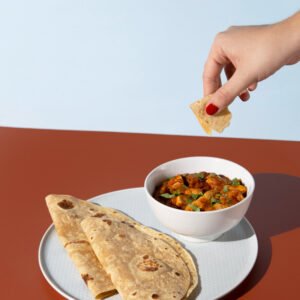
Blend millet flour with whole wheat flour to make nutritious rotis. You can gradually increase the proportion of millet flour as you become accustomed to the taste and texture.
Prepare Millet Porridge
Cook millets with water or low-fat milk to create a filling breakfast porridge. Add cinnamon, nuts, and a small amount of fruit for flavor without excessive sugar.
Try Millet Dosas and Idlis
Fermented millet preparations like dosas and idlis are popular in South Indian cuisine. Research found that millet dosas had a glycemic index of 37, making them an excellent breakfast option.
Add to Salads
Cook millets and cool them completely before adding to salads with vegetables, herbs, and a light dressing. This creates a nutrient-dense, fiber-rich meal.
Important Considerations When Eating Millets
Monitor Your Response
Individual responses to different millets can vary. Track your blood sugar levels after eating different millet varieties to identify which ones work best for your body.
Maintain Portion Control
While millets are beneficial for diabetes, consuming excessive amounts can still raise blood sugar levels. Stick to recommended serving sizes and balance your meals with vegetables, proteins, and healthy fats.
Combine with Other Foods
Pairing millets with protein sources like pulses, legumes, or lean meats and plenty of non-starchy vegetables creates a balanced meal that further stabilizes blood sugar.
Choose Minimally Processed Varieties
Whole millets retain more fiber and nutrients than processed millet products. CMS Industries provides minimally processed, machine-cleaned millets that preserve nutritional quality.
Stay Hydrated
The high fiber content in millets requires adequate water intake for proper digestion. Drink plenty of water throughout the day when consuming millet-based meals.
Comparing Millets to Other Grains
Millets vs. White Rice
White rice has a high glycemic index ranging from 70 to 85, causing rapid blood sugar spikes. Millets, with their average GI of 52.7, provide a much better option for blood sugar control.
Millets vs. Whole Wheat
While whole wheat is healthier than refined flour, millets still offer advantages. They provide more protein, fiber, and minerals while maintaining a lower glycemic response.
Millets vs. Brown Rice
Brown rice contains more fiber than white rice but still has a higher glycemic index than most millets. Studies show that millets provide superior blood sugar management compared to brown rice.
Additional Health Benefits of Millets
Heart Health
Millets help reduce cholesterol levels and support cardiovascular health. The polyunsaturated fatty acids in millets contribute to better heart function.
Digestive Support
The prebiotic components in millets feed beneficial gut bacteria, promoting digestive health. This creates short-chain fatty acids that provide multiple health benefits.
Gluten-Free Option
For people with celiac disease or gluten sensitivity who also have diabetes, millets offer a safe, nutritious alternative to wheat-based products.
Antioxidant Properties
Millets contain polyphenols and other antioxidants that combat oxidative stress, which is often elevated in people with diabetes.
Precautions and Special Considerations
Thyroid Concerns
Some millets contain goitrogens that may interfere with thyroid function. If you have thyroid issues, consult your healthcare provider before regularly consuming large amounts of millets.
Gradual Introduction
Introduce millets gradually into your diet to avoid digestive discomfort. The high fiber content may cause bloating or gas if you are not accustomed to it.
Medical Guidance
While millets offer numerous benefits, they should complement, not replace, your prescribed diabetes medication and overall treatment plan. Always consult your doctor or dietitian when making significant dietary changes.
The Role of Quality in Millet Selection
Selecting high-quality millets ensures you receive maximum nutritional benefits. CMS Industries focuses on providing superior agro commodities at competitive prices, making quality millets accessible for health-conscious consumers.
The company’s commitment to sustainable practices and ethical sourcing means that when you choose their products, you support both your health and the farmers who grow these grains.
Making Millets a Dietary Staple
The United Nations declared 2023 as the International Year of Millets, recognizing their potential for improving global nutrition and food security. This declaration has sparked renewed interest in these ancient grains.
For people with diabetes, making millets a regular part of your diet can lead to better blood sugar control, reduced medication dependence, and improved overall health. The key is consistency and variety, incorporating different types of millets to enjoy a range of flavors and nutritional benefits.
Conclusion
Choosing the right millet is good for diabetes management and can transform your approach to blood sugar control. Foxtail millet, barnyard millet, finger millet, pearl millet, and Kodo millet all offer unique benefits for people with diabetes. Their low glycemic index, high fiber content, and rich nutritional profile make them superior alternatives to refined grains.
When you incorporate millets into your diabetes diet, you are not just managing blood sugar levels but also supporting overall health through better nutrition. Quality matters, which is why sourcing from reputable suppliers like CMS Industries ensures you receive the full benefits these ancient grains have to offer.
Start your millet journey today by replacing one meal with a millet-based dish. Monitor your blood sugar response, experiment with different varieties and preparation methods, and discover how these nutritious grains can support your diabetes management goals. With consistent use and proper portion control, millets can become a cornerstone of your diabetes-friendly diet.
Frequently Asked Questions
Which millet has the lowest glycemic index for diabetes?
Barnyard millet has the lowest glycemic index among millets at approximately 41, followed closely by foxtail millet at around 50. These two varieties are particularly effective for managing blood sugar levels in people with diabetes. Both release glucose slowly into the bloodstream, preventing sudden spikes while providing sustained energy throughout the day.
Can I eat millets every day if I have diabetes?
Yes, you can include millets in your daily diet when you have diabetes. Research shows that long-term millet consumption improves blood sugar control and reduces HbA1c levels. Start with one millet-based meal per day and monitor your blood sugar response. Rotate between different millet varieties to ensure nutritional diversity and prevent digestive issues from excessive fiber intake.
How do millets compare to rice for diabetes management?
Millets are significantly better than white rice for diabetes management. While white rice has a glycemic index of 70-85, millets average around 52.7. This lower glycemic index means millets cause slower, more gradual increases in blood sugar. Studies show that replacing rice with millets can reduce fasting and post-meal blood glucose levels by 12-15% in diabetic patients.
What is the best way to prepare millets for diabetes control?
The best preparation methods for millets include boiling, steaming, or cooking them as porridge. Avoid deep-frying or adding excessive fats and sugars. Pair cooked millets with vegetables, pulses, and lean proteins to create balanced meals. Fermented millet preparations like dosas and idlis have even lower glycemic responses due to the fermentation process breaking down complex carbohydrates.
Are there any side effects of eating millets for diabetes?
Millets are generally safe for people with diabetes, but some considerations apply. The high fiber content may cause digestive discomfort if introduced suddenly. Start with small portions and increase gradually. People with thyroid conditions should consult their doctor before consuming large amounts of millets regularly, as certain varieties contain compounds that may affect thyroid function when eaten in excess.