Trying to lose weight can feel like climbing a mountain. You count calories, skip your favourite foods, and still, those stubborn kilos refuse to budge. What if there was a natural, filling way to support your weight loss goals without feeling deprived?
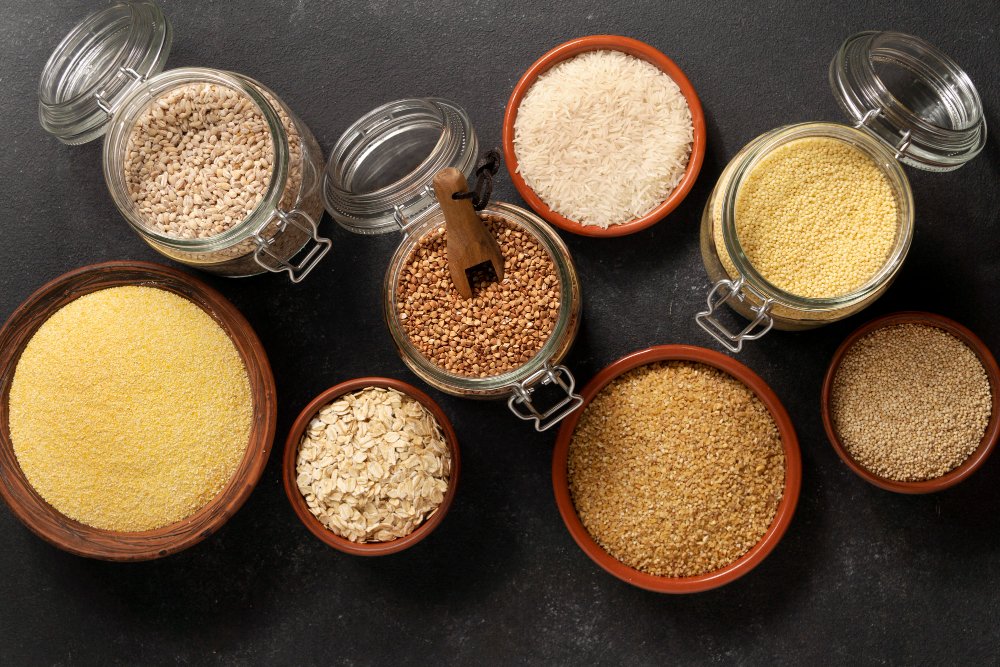
Enter millets. These tiny grains have been sustaining people for thousands of years, and they’re making a strong comeback in Indian kitchens—not because they’re trendy, but because they actually work. Whether you choose traditional varieties or explore options like green millet or red millet, each brings unique nutrients that support better health.
Let me walk you through which millets can help with weight loss and why they deserve a place in your diet.
What Makes Millet Different from Other Grains?
Millets are small-seeded grasses that have been cultivated for over 10,000 years. Unlike rice and wheat, they grow in harsh climates with minimal water, making them both sustainable and packed with nutrients your body needs.
The 2023 declaration of the International Year of Millets by the Government of India brought these grains back into focus. For good reason. They’re gluten-free, loaded with fiber, protein, and minerals, and they have a low glycemic index.
That last part matters. A low glycemic index means millets release glucose slowly into your bloodstream, keeping you full longer and preventing those energy crashes that send you hunting for snacks.
Why Millets Work for Weight Loss
Before we get into specific varieties, let’s understand what makes these grains so effective for shedding extra weight.
High Fiber Content
Fiber is your friend when you’re trying to lose weight. Millets contain both soluble and insoluble fiber, which keeps you feeling satisfied after meals and reduces the urge to overeat. When you feel full, you naturally consume fewer calories throughout the day.
Low Calorie Density
Compared to refined grains, millets are relatively low in calories. You can enjoy satisfying portions without loading up on excess energy that your body will store as fat.
Protein Power
Millets contain 6 to 13% protein, depending on the variety. Protein helps build muscle mass, speeds up your metabolism, and keeps hunger at bay. For a plant-based grain, that’s quite impressive.
Complex Carbohydrates
The carbohydrates in millets are complex, meaning they break down slowly in your digestive system. This provides steady energy without causing blood sugar spikes that lead to fat storage.
Rich in Antioxidants
Antioxidants fight inflammation and oxidative stress, both linked to weight gain and metabolic issues. Millets are packed with these protective compounds.
Which Millet Is Best for Weight Loss?
Now for the main question. Let’s look at the top millets that can help you reach your weight loss goals.
1. Foxtail Millet (Kangni)
This small, golden grain is a weight loss champion. Foxtail millet is high in dietary fiber and rich in complex carbohydrates that provide sustained energy without causing blood sugar spikes.
It contains an amino acid called tryptophan, which helps reduce hunger and targets belly fat. The low glycemic index means it digests slowly, keeping you full for hours.
Use it to make upma, khichdi, or cook it like rice for your daily meals.
2. Pearl Millet (Bajra)
Pearl millet is one of the most widely consumed millets in India, particularly in Rajasthan and Gujarat. Rich in protein, fiber, magnesium, and iron, bajra keeps you satisfied and prevents overeating.
It also has cooling properties, making it perfect for summer consumption. Bajra helps stabilize blood sugar levels and prevents fat storage while boosting your metabolism.
Make bajra rotis, porridge, or khichdi. The hearty texture and nutty flavor make it easy to incorporate into everyday cooking.
3. Finger Millet (Ragi)
If you’re looking for calcium along with weight loss benefits, ragi is your answer. This powerful grain, scientifically known as Finger Millet, contains nearly 10 times more calcium than rice or wheat. It’s also rich in iron, protein, and essential amino acids.
Ragi acts as a natural appetite suppressant due to its slow digestive nature. It keeps you full for extended periods, making it easier to stick to your diet without constant cravings.
The high fiber content also regulates blood sugar levels, which is crucial for preventing fat accumulation. Use ragi to make rotis, dosas, porridge, or even cookies as a healthy snack option.
4. Little Millet (Kutki)
Don’t let the name fool you. Little millet packs big nutritional benefits. It’s high in fiber and protein, helping you feel satisfied with smaller portions.
Little millet produces good fats necessary for weight loss and improves digestion. It can easily replace rice in your meals without sacrificing taste or texture.
Try it in pulao, upma, salads, or khichdi. CMS Industries offers quality little millet products that are carefully cleaned and processed to maintain nutritional value.
5. Kodo Millet (Kodra)
Kodo millet is rich in phytochemicals and antioxidants that get absorbed quickly by your body. These compounds promote metabolic activity and strengthen your immune system.
Research shows that Kodo millet is particularly helpful for people with obesity and slow metabolism. It reduces bad cholesterol (LDL) and keeps your heart healthy while supporting weight loss efforts.
The phenolic extracts in Kodo millet also lower blood pressure and ease stress symptoms. Cook it into pulao, upma, or idlis for variety.
6. Barnyard Millet (Sanwa)
Barnyard millet is incredibly low in calories but high in fiber, making it perfect for weight loss. It’s rich in iron, magnesium, phosphorus, and antioxidants.
The complex carbohydrates in barnyard millet help control your appetite and prevent overeating. It also helps lower cholesterol and manage blood sugar levels.
This millet cooks quickly and can replace rice in most recipes. Try it in khichdi or as a side dish with dal and vegetables.
7. Sorghum (Jowar)
While technically a larger millet, jowar deserves mention for its weight loss benefits. It’s low in fat and high in fiber, the perfect combination for a diet-friendly grain.
Rich in protein, magnesium, and iron, jowar boosts metabolism and improves digestion. The policosanol content helps reduce cholesterol levels in your body.
Jowar flour makes soft rotis that taste similar to wheat but offer far more nutritional benefits. You can also use jowar Dalia as a breakfast option.
How to Include Millets in Your Daily Diet
Adding millets to your routine is easier than you think. Here are practical ways to make them part of your regular meals.
Millet Flour
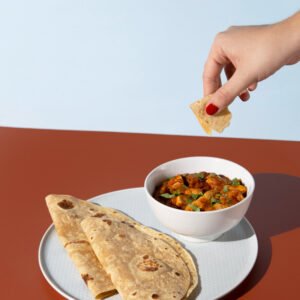
Replace your regular wheat or rice flour with millet flour. Make rotis, chillis, pancakes, or biscuits. Millet rotis are just as soft as wheat ones but pack more nutrition.
Breakfast Porridge
Start your day with millet porridge instead of regular cereal. Cook any millet with milk or water, add fruits and nuts for flavor, and you have a filling breakfast that keeps you energized until lunch.
Rice Replacement
Most whole millets can be cooked exactly like rice. Make pulao by adding colorful vegetables or simply serve plain millet with dal and sabzi.
Khichdi
Replace rice with millets in your khichdi. Bajra khichdi, jowar khichdi, or foxtail millet khichdi taste delicious and provide more fiber and protein than the traditional rice version.
Millet Vermicelli and Pasta
These are now available in the market and make for convenient meal options. Use them in soups or as a quick dinner solution.
Upma and Traditional Dishes
Millets work beautifully in traditional South Indian dishes. Make millet upma, dosas, idlis, or Pongal for variety in your meal plan.
CMS Industries, a leading supplier of quality grains based in Gujarat, provides multiple varieties of millets that are carefully cleaned and processed. Their products undergo Sorted and machine cleaning to ensure you get pure, nutritious grains.
Tips for Millet Consumption
While millets offer numerous benefits, keep these points in mind:
Don’t Replace Everything at Once
Start by replacing one or two meals per week with millet-based dishes. Let your digestive system adjust gradually. Studies show that consuming millets every single day might lead to thyroid issues, so aim for three to four times a week.
Balance Is Key
Include both millets and other whole grains like brown rice in your diet. The goal is a varied, balanced approach rather than eliminating any single food group.
Combine with Vegetables
Pair millets with plenty of vegetables to increase fiber content and make meals more filling. This combination provides complete nutrition while keeping calories in check.
Stay Hydrated
High-fibre foods need adequate water to work properly in your digestive system. Drink plenty of water throughout the day.
Watch Portion Sizes
Even healthy foods can contribute to weight gain if eaten in excess. Stick to reasonable portions, about half to three-quarters cup of cooked millet per meal.
Understanding Why Millets Support Weight Loss
Let’s break down the science behind why these grains work so well for weight management.
When you eat refined grains like white rice or Maida, they quickly break down into glucose, causing a rapid spike in blood sugar. Your pancreas releases insulin to handle this surge, but frequent spikes lead to insulin resistance and fat storage, particularly around your belly.
Millets work differently. Their low glycemic index means glucose releases slowly and steadily. This keeps blood sugar stable, reduces insulin spikes, and prevents the storage of excess energy as fat.
The high fiber content also feeds beneficial bacteria in your gut. A healthy gut microbiome is linked to better weight management, improved digestion, and reduced inflammation.
The protein in millets helps preserve muscle mass during weight loss. When you lose weight, you want to lose fat, not muscle. Adequate protein ensures your body burns fat stores while maintaining lean tissue that keeps your metabolism running efficiently.
What About Quality and Sourcing?
Quality matters when it comes to millets. Choose products that are properly cleaned and free from contaminants.
CMS Industries has been supplying premium agricultural products for over two decades. Their millets undergo rigorous quality checks and advanced cleaning processes. They offer various millet varieties including green millet (bajra), red millet, and grey millet, all sourced from trusted farmers and processed with care.
When shopping for millets, look for brands that priorities quality and proper cleaning. Well-processed millets cook better, taste better, and provide optimal nutritional benefits.
Common Mistakes to Avoid
Over-consuming Millets
More is not always better. Stick to three to four servings per week and rotate different varieties for maximum benefit.
Not Preparing Them Properly
Some millets benefit from soaking before cooking. Others cook well directly. Read instructions for each variety to get the best texture and digestibility.
Expecting Instant Results
Weight loss takes time. Millets support your efforts, but they’re not a magic solution. Combine them with regular physical activity and a balanced diet for best results.
Forgetting About Calories
Millets are healthier than refined grains, but they still contain calories. Track your overall intake to ensure you’re creating the calorie deficit needed for weight loss.
Beyond Weight Loss: Additional Health Benefits
While we’re focusing on weight loss, millets offer many other health benefits worth mentioning.
They improve heart health by reducing bad cholesterol and blood pressure. The magnesium content supports bone and heart health. Iron helps prevent anemia. Antioxidants protect against chronic diseases.
For people with diabetes, the low glycemic index helps manage blood sugar levels. The gluten-free nature makes millets perfect for those with celiac disease or gluten sensitivity.
Making the Switch: Your Action Plan
Ready to try millets? Here’s how to get started.
Week 1: Replace one rice meal with foxtail millet or little millet. Cook it the same way you cook rice and serve with your regular curries.
Week 2: Try bajra rotis for dinner twice this week instead of wheat rotis. Notice how they keep you full longer.
Week 3: Make ragi porridge for breakfast on weekends. Add your favorite fruits and nuts.
Week 4: Experiment with millet upma or khichdi. Explore different cooking methods and flavors.
By the end of the month, you’ll have a good sense of which millets you enjoy and how your body responds to them.
The Bottom Line
So, which millet is good for weight loss? The honest answer is that all of them offer benefits, but foxtail millet, pearl millet (bajra), finger millet (ragi), and even Yellow Millet stand out as particularly effective choices.
The key to success is variety and consistency. Rotate different millets throughout your week, prepare them in ways you enjoy, and give your body time to adapt.
Remember that millets are tools that support your weight loss journey, not magic bullets. Combine them with regular physical activity, adequate sleep, stress management, and a generally balanced diet.
These ancient grains sustained civilizations for thousands of years. They’re sustainable, affordable, and genuinely nutritious. In a world of complicated diet plans and expensive supplements, millets offer a simple, natural solution.
Start with one variety. See how you feel. Notice how they keep you satisfied longer than refined grains. Pay attention to your energy levels and how your clothes fit over time.
Whether you source your millets from CMS Industries or local suppliers, the most important step is to actually start using them. Your body will thank you for choosing whole, unprocessed grains over refined alternatives.
Weight loss is a journey, not a destination. Millets can be your trusted companion along the way, providing nutrition, satisfaction, and the fuel you need to keep moving forward.
Frequently Asked Questions
Q1: How much millet should I eat daily for weight loss?
Aim for half to three-quarters cup of cooked millet per meal, consumed three to four times per week rather than daily. Studies suggest that eating millets every single day might affect thyroid function, so balance is important. Include other whole grains like brown rice on alternate days. This approach provides weight loss benefits without overloading your system. Remember that portion control matters even with healthy foods, so track your overall calorie intake alongside millet consumption.
Q2: Can I eat millets at night without gaining weight?
Yes, you can eat millets at dinner without worrying about weight gain. Unlike refined carbs that cause blood sugar spikes before bed, millets have a low glycemic index that provides steady energy. The high fiber content keeps you feeling full overnight, reducing late-night cravings. Just keep portions reasonable and pair them with vegetables and protein for a balanced meal. Many people find that millet-based dinners help them sleep better and wake up less hungry.
Q3: Which millet is best for reducing belly fat?
Foxtail millet is particularly effective for belly fat because it contains tryptophan, an amino acid that specifically helps reduce abdominal fat. Barnyard millet also works well due to its extremely low-calorie content and high fiber, which prevents fat storage. Kodo millet supports belly fat reduction by improving metabolism and reducing bad cholesterol. For best results, rotate these varieties throughout your week and combine them with core-strengthening exercises and stress reduction techniques.
Q4: Are millets better than quinoa for weight loss?
Both grains support weight loss, but millets have some advantages. They’re more affordable, have a lower glycemic index than quinoa, and are easier to digest for many people. Millets also grow sustainably with minimal water needs. Quinoa offers complete protein with all essential amino acids, which millets don’t provide individually. For weight loss specifically, millets work better for blood sugar control. However, the best choice depends on your budget, taste preferences, and overall nutritional needs.
Q5: Can diabetics eat millets for weight loss?
Yes, millets are excellent for diabetics trying to lose weight. Their low glycemic index prevents blood sugar spikes, and the high fiber content slows glucose absorption. Minor millets like foxtail, barnyard, and Kodo work particularly well for diabetes management. Regular consumption can improve insulin sensitivity and reduce the need for medication over time. However, diabetics should monitor blood sugar levels when first introducing millets and work with a healthcare provider to adjust portions and medication as needed.