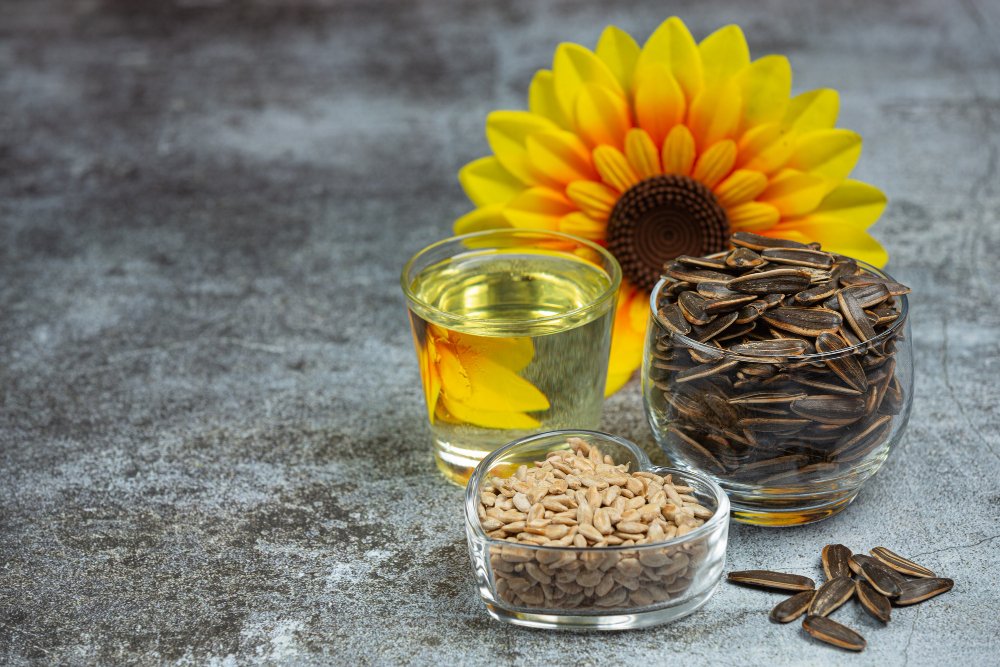
Hair care enthusiasts across India are turning to natural remedies, and sunflower seed oil for hair growth has emerged as a popular choice. This golden oil, extracted from sunflower seeds, offers more than just cooking benefits. Packed with vitamins, minerals, and fatty acids, it nourishes your scalp and strengthens your strands.
CMS Industries, a trusted manufacturer and supplier of agro-commodities including sunflower meal, recognizes the growing interest in natural hair care solutions. This guide explores 20 science-backed benefits of sunflower seed oil for hair growth and how you can incorporate it into your routine.
What Makes Sunflower Seed Oil Special for Hair?
Sunflower seed oil (Helianthus annuus) contains a rich nutritional profile that supports healthy hair. The oil is abundant in vitamin E, oleic acid, linoleic acid, and essential minerals like selenium, calcium, and iron.
Research published in the International Journal of Molecular Sciences confirms that plant oils, including sunflower oil, provide anti-inflammatory and skin barrier repair benefits when applied topically. These properties extend to scalp health, creating an ideal environment for hair follicles to thrive.
20 Science-Based Benefits of Sunflower Seed Oil for Hair Growth
1. Rich Source of Vitamin E
One of the key benefits of seeds is that sunflower seed oil is one of the richest natural sources of vitamin E, a fat-soluble antioxidant that protects hair follicles from oxidative damage caused by free radicals.
A study in Tropical Life Sciences Research demonstrated that vitamin E supplementation increased hair count in volunteers experiencing hair loss. The antioxidant properties help reduce lipid peroxidation in the scalp, creating a healthier environment for hair growth.
2. Moisturises Dry Hair and Scalp
The polyunsaturated fatty acids in sunflower oil, particularly oleic and linoleic acid, act as natural emollients. These compounds lock in moisture by creating a protective barrier on the hair shaft and scalp surface.
Regular application helps combat dryness, especially during harsh winter months common in many parts of India. The oil prevents insensible water loss, keeping hair hydrated and supple.
3. Strengthens Hair Follicles
Healthy hair growth begins at the follicle level. Sunflower seed oil delivers essential nutrients directly to hair follicles, strengthening them from within.
The selenium content supports follicle function and tissue repair. Meanwhile, zinc aids in protein synthesis, which is vital for keratin production—the primary structural protein in hair.
4. Reduces Hair Breakage
Split ends and breakage plague many people seeking longer hair. Sunflower oil’s fatty acid content helps improve hair elasticity, making strands more resilient to mechanical stress from brushing, styling, and environmental factors.
The oil fills gaps in the hair cuticle, the outermost protective layer. This reinforcement prevents damage and breakage, allowing hair to retain its length.
5. Promotes Scalp Health
A healthy scalp is the foundation for hair growth. Sunflower seed oil possesses anti-inflammatory properties that soothe irritation, redness, and itching.
Research in the Journal of Cosmetic Science shows that sunflower oil exhibits antimicrobial and antibacterial properties. These qualities help maintain scalp hygiene by controlling harmful microorganisms that can lead to conditions like dandruff.
6. Enhances Blood Circulation
Vitamin E in sunflower oil may help expand blood vessels, improving circulation to the scalp. Better blood flow means hair follicles receive more oxygen and nutrients while efficiently removing metabolic waste.
Scalp massage with sunflower oil amplifies this benefit. The mechanical stimulation combined with the oil’s nutritional properties creates optimal conditions for hair growth.
7. Protects Against Environmental Damage
Daily exposure to pollution, UV radiation, and harsh weather takes a toll on hair quality. Sunflower seed oil forms a protective film on hair strands, shielding them from environmental aggressors.
The vitamin E content neutralizes free radicals generated by UV exposure and pollutants. This protection prevents premature aging of hair, including graying and thinning.
8. Adds Natural Shine and Lustre
Dull, lifeless hair often results from a damaged cuticle layer. When light hits rough, raised cuticles, it scatters rather than reflects, making hair appear lackluster.
Sunflower oil smooths the cuticle, allowing light to reflect evenly. The result is hair with a natural, healthy shine without artificial additives or silicones.
9. Balances Scalp Oil Production
Contrary to concerns about adding oil to already oily hair, sunflower seed oil can help regulate sebum production. The pH-balancing properties help normalize scalp conditions at both ends of the spectrum.
For dry scalps, it provides needed moisture. For oily scalps, it signals the sebaceous glands to reduce excess production, preventing clogged follicles that can inhibit growth.
10. Contains Hair-Building Amino Acids
Though not as protein-rich as some carrier oils, sunflower oil contains beneficial amino acids that support keratin synthesis. These building blocks help repair damaged hair structure and support new growth.
11. Fights Scalp Inflammation
Chronic scalp inflammation can disrupt the hair growth cycle, leading to conditions like telogen effluvium. The linoleic and oleic acids in sunflower oil inhibit inflammatory pathways, including the NF-κB signaling cascade.
These fatty acids also reduce pro-inflammatory cytokines like TNF-α, helping maintain a calm, healthy scalp environment conducive to normal hair cycling.
12. May Help Treat Scalp Acne
Research suggests sunflower oil’s antimicrobial properties may benefit those dealing with scalp acne. While more studies specific to scalp application are needed, the oil’s non-comedogenic nature means it is unlikely to clog pores for most people.
13. Detangles Hair Naturally
The lubricating properties of sunflower seed oil reduce friction between hair strands. This makes detangling easier and less traumatic, preventing the mechanical damage that occurs when combing through knots.
Application before washing or as a leave-in treatment in small amounts can transform your detangling experience.
14. Lightweight and Non-Greasy
Unlike heavier oils like castor or coconut, sunflower oil has a lighter molecular structure. This makes it suitable for all hair types, including fine or thin hair that can be weighed down by denser oils.
The lighter texture also means easier rinsing and less product buildup on the scalp.
15. Rich in B Vitamins
Sunflower seeds and their oil contain B vitamins including niacin (B3), pantothenic acid (B5), and pyridoxine (B6). These vitamins play roles in cellular metabolism and energy production within hair follicles.
Niacin, specifically, helps improve blood circulation to the scalp. Deficiencies in these B vitamins have been linked to hair loss, making their presence in sunflower oil particularly beneficial.
16. Helps Manage Frizz
Humidity and damaged cuticles lead to frizzy, unmanageable hair. The fatty acids in sunflower oil penetrate the hair shaft slightly, providing internal conditioning while coating the exterior.
This dual action seals moisture in and environmental moisture out, keeping hair smooth and frizz-free throughout the day.
17. Supports Natural Hair Color
The antioxidants in sunflower seed oil help protect melanocytes—the cells responsible for hair pigmentation. By reducing oxidative stress in the scalp, the oil may help slow premature graying.
While it cannot reverse gray hair, regular use may support the retention of natural color for longer.
18. Gentle for Sensitive Scalps
Many commercial hair products contain harsh chemicals that irritate sensitive skin. Sunflower oil is generally well-tolerated and hypoallergenic when cold-pressed and unrefined.
Those with conditions like psoriasis or eczema on the scalp may find relief with gentle sunflower oil treatments, though a patch test is always recommended.
19. Economical and Accessible
Compared to specialty hair oils and serums, sunflower seed oil remains affordable and widely available. You can find food-grade sunflower oil at most grocery stores across India.
CMS Industries supplies quality sunflower meal, a byproduct of oil extraction, demonstrating the versatility and accessibility of sunflower-derived products.
20. Versatile Application Methods
Sunflower seed oil adapts to various hair care routines. Use it as a pre-wash treatment, leave-in conditioner, styling aid, or mix it with other beneficial ingredients like aloe vera or yogurt for DIY hair masks.
This versatility means you can customize your hair care approach based on your specific needs and preferences.
How to Use Sunflower Seed Oil for Hair Growth
Pre-Wash Treatment
To enhance hair care and complement the benefits of sesame seeds, apply sunflower oil to your scalp and hair 30 minutes to an hour before washing. Gently massage it into the scalp using circular motions to boost blood circulation and help nutrients penetrate.
Wrap your hair in a warm towel to open the hair cuticles and improve absorption, then shampoo thoroughly with a gentle cleanser to remove all oil residue.
Leave-In Conditioner
After washing, apply a pea-sized amount of sunflower oil to damp hair, focusing on the mid-lengths and ends. Avoid applying too much near the roots to prevent greasiness.
The oil will lock in moisture as hair dries, leaving it soft and manageable.
Scalp Massage Oil
Mix sunflower oil with a few drops of essential oils like rosemary or peppermint. Massage this blend into your scalp 2-3 times per week.
The massage stimulates blood flow while the oils nourish the follicles and provide aromatherapy benefits.
DIY Hair Masks
Combine sunflower oil with natural ingredients for targeted treatments:
- For dry hair: Mix with mashed avocado or banana
- For protein boost: Blend with egg yolk
- For shine: Add honey and lemon juice
Apply these masks for 20-30 minutes before rinsing thoroughly.
Choosing Quality Sunflower Seed Oil
Not all sunflower oils are created equal. For hair care purposes:
Opt for cold-pressed, unrefined oil: This retains maximum nutrients and beneficial compounds that heat processing may destroy.
Check the label: Look for 100% pure sunflower oil without additives or fragrances.
Consider organic options: These minimize exposure to pesticides and chemicals.
Store properly: Keep oil in a cool, dark place to prevent oxidation.
Safety Considerations
While generally safe, keep these precautions in mind:
Allergy testing: If you have a known allergy to sunflower seeds or pollen, avoid using the oil. Perform a patch test on your inner arm 24 hours before full application.
Avoid overuse: Too much oil can make hair look greasy. Start with small amounts and adjust based on your hair type and response.
Thorough rinsing: Incomplete removal can lead to product buildup, which may clog follicles and attract dirt.
Skip heat styling: Applying heat to hair coated in oil can damage the hair shaft. If you must style, do so before oil application or ensure complete drying if used as a leave-in.
What the Research Says
A study published in the Journal of Cosmetic Science compared mineral oil, sunflower oil, and coconut oil for preventing hair damage. While coconut oil showed superior penetration into the hair shaft, sunflower oil demonstrated benefits for surface conditioning and protection.
Research in PMC (PubMed Central) examining vitamin E and selenium’s role in hair health noted that vitamin E’s antioxidant properties help reduce oxidative stress in the scalp, creating a favorable environment for hair growth.
A trial discussed in Tropical Life Sciences Research found that vitamin E supplementation increased hair count in volunteers with hair loss, likely due to reduced lipid peroxidation and oxidative stress.
These studies support the traditional use of sunflower seed oil for hair growth, though more research specifically on sunflower oil would strengthen the evidence base.
CMS Industries: Your Source for Quality Agro-Commodities
CMS Industries operates as a government-recognized Star Export House, manufacturing and supplying agro-commodities, industrial chemicals, and minerals. With expertise in sunflower meal production, the company understands the value chain from seed to final product.
Located in Bhuj, Gujarat, CMS Industries serves customers across various countries, maintaining high standards for quality and professionalism in all operations.
Final Thoughts
Sunflower seed oil for hair growth offers a natural, accessible option for anyone seeking healthier, stronger hair. Its rich nutrient profile from vitamin E to essential fatty acids addresses multiple aspects of hair health simultaneously.
While not a miracle cure for hair loss conditions requiring medical intervention, incorporating this golden oil into your routine can improve hair quality, reduce breakage, and create optimal conditions for natural growth.
Start with small amounts, observe how your hair responds, and adjust your usage accordingly. Combine sunflower oil treatments with a balanced diet, adequate hydration, and gentle hair care practices for the best results.
Whether you use it as a pre-wash treatment, leave-in conditioner, or massage oil, sunflower seed oil deserves a place in your natural hair care arsenal. Give this time-tested remedy a try and experience the difference it can make for your locks.
Frequently Asked Questions
Q1: How often should I apply sunflower seed oil for hair growth?
Apply sunflower seed oil 1-2 times per week as a deep conditioning treatment or scalp massage. For daily use, limit application to a small amount on the ends as a leave-in product. Overuse can lead to buildup and greasy appearance, so adjust frequency based on your hair type and how it responds.
Q2: Can sunflower seed oil help with hair loss conditions like alopecia?
While sunflower oil provides nutrients that support scalp health and may reduce oxidative stress associated with some types of hair loss, it should not replace medical treatment for diagnosed conditions like alopecia areata or androgenetic alopecia. Consult a dermatologist for persistent hair loss concerns.
Q3: Is sunflower oil better than coconut oil for hair?
Both oils offer benefits, but they work differently. Coconut oil penetrates the hair shaft more deeply, making it better for preventing protein loss. Sunflower oil excels at surface conditioning, adding shine, and protecting hair from environmental damage. Consider using both for complementary benefits.
Q4: Will sunflower seed oil make my hair grow faster?
Sunflower oil does not accelerate the hair growth rate determined by your genetics. What it does is create healthier conditions for normal growth by nourishing the scalp, reducing breakage, and protecting existing hair. This can help you retain length and achieve fuller-looking hair over time.
Q5: Can I use cooking sunflower oil on my hair?
Food-grade sunflower oil can be used on hair, preferably choosing cold-pressed varieties over refined versions. Some people prefer purchasing cosmetic-grade sunflower oil for topical use, as it may undergo additional purification. Always choose pure sunflower oil without added flavours or preservatives for best results.