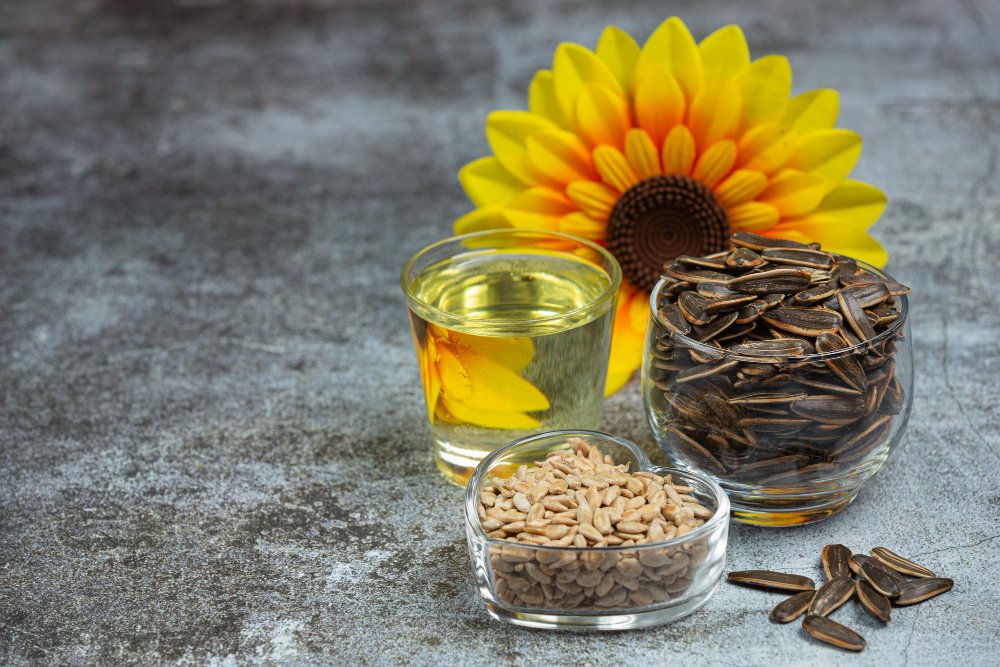
Sunflower seeds are small but mighty nutritional powerhouses that deserve more attention in women’s diets. These tiny kernels from the sunflower plant (Helianthus annuus) pack serious health benefits that specifically support female wellness, from hormonal balance to reproductive health.
Women looking for natural ways to boost their health often overlook these affordable, versatile seeds. Whether you’re managing hormonal changes, supporting pregnancy health, or simply wanting to improve your overall wellness, sunflower seeds benefits for female health are backed by solid research.
CMS Industries recognizes the growing demand for quality sunflower seeds and offers premium varieties suitable for both culinary use and oil extraction. Let’s explore why these seeds should become part of your daily routine.
Understanding Sunflower Seeds Nutrition
Before diving into specific benefits, it’s worth understanding what makes these seeds so special. A 30-gram serving (about one handful) contains approximately 170 calories, 6 grams of protein, 14 grams of healthy fats, and 6 grams of carbohydrates including fiber.
The micronutrient profile is where sunflower seeds truly shine. They’re loaded with vitamin E, providing nearly 50% of your daily needs in just one serving. They also contain significant amounts of magnesium, selenium, phosphorus, copper, and B vitamins.
For women specifically, this nutritional makeup translates into real health advantages that address common concerns like bone density, skin aging, hormonal fluctuations, and heart health.
Top 10 Sunflower Seeds Benefits for Female Health
1. Supports Hormonal Balance During Menstruation
Sunflower seeds contain vitamin E and selenium, which research suggests may help promote progesterone production and maintain female hormonal balance. Many women use sunflower seeds as part of seed cycling protocols to regulate their menstrual cycles.
The magnesium content also helps reduce PMS symptoms, including mood swings, bloating, and cramps. Studies show that adequate magnesium intake can significantly improve these common monthly complaints.
2. Boosts Reproductive Health and Fertility
The folate content in sunflower seeds makes them exceptional for reproductive health. A cup of dried, shelled sunflower seeds provides approximately 225 micrograms of folate, which is essential for healthy cell division and red blood cell formation.
For women trying to conceive or in early pregnancy, folate helps prevent neural tube defects in developing babies. This B-vitamin supports the formation of the baby’s brain and spinal cord, making sunflower seeds particularly beneficial during the first trimester.
CMS Industries processes high-quality sunflower seeds that maintain their nutritional integrity, making them suitable for women at all life stages.
3. Protects Heart Health
Heart disease remains a leading health concern for women, especially after menopause. Sunflower seeds offer multiple cardiovascular benefits through their unique combination of nutrients.
The polyunsaturated and monounsaturated fats in these seeds help lower LDL (bad) cholesterol while raising HDL (good) cholesterol. Research from Cleveland Clinic indicates that sunflower seeds contain phytosterols, plant compounds that prevent the body from absorbing excess cholesterol.
Additionally, the anti-inflammatory properties of vitamin E and flavonoids in sunflower seeds help reduce inflammation, a major contributor to heart disease. Studies involving over 6,000 adults found that those eating sunflower seeds at least five times weekly had 32% lower levels of C-reactive protein, an inflammatory marker linked to heart disease risk.
4. Strengthens Bones and Prevents Osteoporosis
Women face higher osteoporosis risk than men, particularly after menopause when estrogen levels drop. Sunflower seeds provide essential minerals that support bone health throughout life.
Magnesium, phosphorus, and copper in these seeds all play roles in maintaining bone density and strength. Magnesium helps the body absorb calcium properly and supports the structural development of bones.
Regular consumption of sunflower seeds as part of a balanced diet may help women maintain stronger bones as they age.
5. Enhances Skin Health and Fights Aging
Vitamin E acts as a powerful antioxidant that protects skin cells from free radical damage caused by sun exposure, pollution, and aging. For women concerned about skin health, sunflower seeds offer a natural way to support a healthy complexion from within.
The healthy fats in sunflower seeds also help maintain skin moisture and elasticity. These omega-6 fatty acids support the skin barrier function, potentially reducing dryness and irritation.
Studies suggest that getting vitamin E through food sources like sunflower seeds is more beneficial than supplements for skin protection and overall health.
6. Promotes Healthy Hair Growth
Women experiencing hair thinning or breakage may benefit from the zinc, biotin, and vitamin E content in sunflower seeds. Zinc supports hair tissue growth and repair, preventing brittleness and hair loss.
Biotin (vitamin B7) promotes keratin production, the structural protein that makes up hair strands. Vitamin E improves blood circulation to the scalp, delivering essential nutrients to hair follicles for healthy growth.
Adding a handful of sunflower seeds to your daily diet may contribute to longer, stronger, more resilient hair over time.
7. Supports Healthy Blood Sugar Levels
Managing blood sugar is important for all women, but especially those with polycystic ovary syndrome (PCOS) or gestational diabetes risk. Research suggests that people consuming 30 grams of sunflower seeds daily as part of a healthy diet may reduce fasting blood sugar by approximately 10% within six months.
The protein, healthy fats, and fiber in sunflower seeds slow stomach emptying, allowing a more gradual release of sugar from carbohydrates into the bloodstream. This helps prevent blood sugar spikes and crashes that can affect energy and mood.
8. Provides Cancer-Fighting Antioxidants
Sunflower seeds contain high levels of antioxidants including vitamin E, selenium, and flavonoids. These compounds neutralize free radicals that can lead to cancerous changes in cells.
The seeds also contain conjugated linoleic acid (CLA), an anti-cancer fatty acid. Research shows sunflower seeds have higher CLA content compared to most other seeds like sesame, flax, and peanut.
While no single food prevents cancer, incorporating antioxidant-rich foods like sunflower seeds into your diet is one important step in reducing overall cancer risk.
9. Supports Thyroid Function
Thyroid disorders are particularly common among women and can significantly impact quality of life. Your thyroid regulates metabolism, bone health, cell growth, and heart function.
Getting adequate selenium is critical for thyroid health, and a cup of hull-on sunflower seeds provides about 24 micrograms of selenium, approximately 35% of daily needs. This mineral supports proper thyroid hormone production and function.
10. Reduces Inflammation Throughout the Body
Chronic inflammation contributes to many health conditions affecting women, including autoimmune disorders, heart disease, and type 2 diabetes. The vitamin E, flavonoids, and other plant compounds in sunflower seeds help combat inflammation.
Regular consumption of sunflower seeds and other seeds has been linked to lower inflammatory markers in the body. This anti-inflammatory effect may help reduce the risk of several chronic diseases while supporting overall wellness.
How to Incorporate Sunflower Seeds Into Your Diet
Getting these benefits is simple when you know how to add sunflower seeds to your meals. Along with seeds, sunflower oil offers added benefits such as heart-healthy fats, vitamin E for skin nourishment, and anti-inflammatory properties, making it a smart choice for everyday cooking. Here are some practical ideas::
- Sprinkle raw or roasted seeds over salads for extra crunch and nutrition
- Blend them into smoothies for added protein and healthy fats
- Mix into yogurt or oatmeal for a filling breakfast
- Add to homemade granola bars or energy bites
- Use sunflower seed butter as a nut-free alternative to peanut butter
- Stir into stir-fries or vegetable dishes
- Top avocado toast or soup with a handful of seeds
CMS Industries supplies premium quality sunflower seeds suitable for these culinary applications, ensuring you get maximum nutritional value.
Recommended Daily Intake for Women
For most women, consuming about 30 grams (roughly one handful or 1/4 cup) of sunflower seeds per day provides excellent health benefits without excessive calories. This amount delivers substantial nutrition while fitting easily into a balanced diet—especially when choosing the best seeds, such as fresh, unsalted, and high-quality sunflower seeds.
During pregnancy, this amount remains safe and beneficial, though it’s always wise to discuss your specific dietary needs with your healthcare provider.
Potential Side Effects and Precautions
While sunflower seeds benefits for female health are numerous, moderation matters. Being aware of potential issues helps you enjoy these seeds safely:
Calorie density: At 170 calories per handful, mindless snacking can contribute to weight gain. Measure portions to maintain awareness.
Sodium content: Salted varieties can be high in sodium, potentially affecting blood pressure. Choose unsalted or lightly salted options when possible.
Digestive discomfort: The high fiber content may cause bloating, gas, or constipation if you suddenly increase intake significantly. Start with smaller portions and increase gradually.
Allergic reactions: While uncommon, sunflower seed allergies can occur. Symptoms may include itching, hives, swelling, or in severe cases, difficulty breathing. Seek immediate medical attention if you experience allergic symptoms.
Cadmium content: Sunflower seeds may contain trace amounts of cadmium, a heavy metal. Eating reasonable portions as part of a varied diet minimizes any risk.
Quality Matters When Choosing Sunflower Seeds
Not all sunflower seeds are created equal. Look for seeds that are fresh, properly stored, and from reputable sources. Seeds should have a mild, nutty aroma without any rancid smell.
Store sunflower seeds in an airtight container in a cool, dry place. Refrigeration or freezing extends shelf life and prevents the healthy fats from going rancid.
The Bottom Line
Sunflower seeds benefits for female health span multiple areas, from reproductive wellness to heart protection to skin vitality. Backed by quality sourcing standards followed by CMS Industries, these affordable and versatile seeds deserve a regular place in women’s diets across all life stages.
Whether you’re supporting pregnancy health, managing hormonal changes, strengthening bones, or simply pursuing overall wellness, sunflower seeds offer science-backed benefits that are easy to access and enjoy.
Start with a small handful daily and notice how these tiny seeds can make a meaningful difference in how you feel. Choose quality seeds from trusted suppliers, store them properly, and experiment with different ways to incorporate them into meals you already love.
Remember that while sunflower seeds are nutritious, they work best as part of a varied, balanced diet rich in whole foods. Listen to your body, practice moderation, and consult healthcare professionals about your specific nutritional needs.
FAQs About Sunflower Seeds Benefits for Female Health
Q: Can sunflower seeds help with PCOS symptoms?
Sunflower seeds may support women with PCOS through hormonal regulation and improved liver function. Their vitamin E and selenium content helps flush excess estrogen while supporting progesterone production. The seeds’ ability to help manage blood sugar levels is particularly beneficial for PCOS management. Combine sunflower seeds with other seeds and a balanced diet for best results.
Q: Are sunflower seeds safe during pregnancy and breastfeeding?
Yes, sunflower seeds are safe and beneficial during pregnancy and breastfeeding when consumed in moderation. They provide essential folate for fetal development, iron to prevent anemia, and healthy fats supporting baby’s brain growth. Pregnant women can safely enjoy about 30 grams daily. The nutrients also support lactation and hormone balance during the postpartum period.
Q: Do sunflower seeds really improve skin and hair health?
Scientific evidence supports sunflower seeds’ benefits for skin and hair. The vitamin E acts as a powerful antioxidant protecting skin cells from damage and supporting healthy complexion. For hair, the zinc, biotin, and vitamin E promote growth, strength, and scalp circulation. You’ll likely notice improvements after several weeks of regular consumption as part of a balanced diet.
Q: How do sunflower seeds compare to other seeds for women’s health?
Sunflower seeds excel in vitamin E content, providing nearly 50% of daily needs per serving. They contain higher CLA levels than most other seeds and offer excellent selenium for thyroid health. While chia and flax seeds provide more omega-3 fatty acids, sunflower seeds offer a unique nutritional profile particularly beneficial for hormonal balance, skin health, and heart protection in women.
Q: Can eating sunflower seeds help with menopause symptoms?
While research is ongoing, sunflower seeds may help manage some menopause symptoms. The vitamin E content may reduce hot flashes and night sweats in some women. The magnesium supports bone health during this period of increased osteoporosis risk. The healthy fats and protein help maintain steady energy levels and mood stability during hormonal transitions. Include them as part of a menopause-supportive diet.