Pregnancy brings joy and a long list of dietary questions. One common query is whether eating sunflower seeds during pregnancy is safe and beneficial. The good news is that these small, crunchy seeds pack serious nutritional value for both you and your growing baby.
Let’s break down everything you need to know about including sunflower seeds in your pregnancy diet.
What Are Sunflower Seeds?
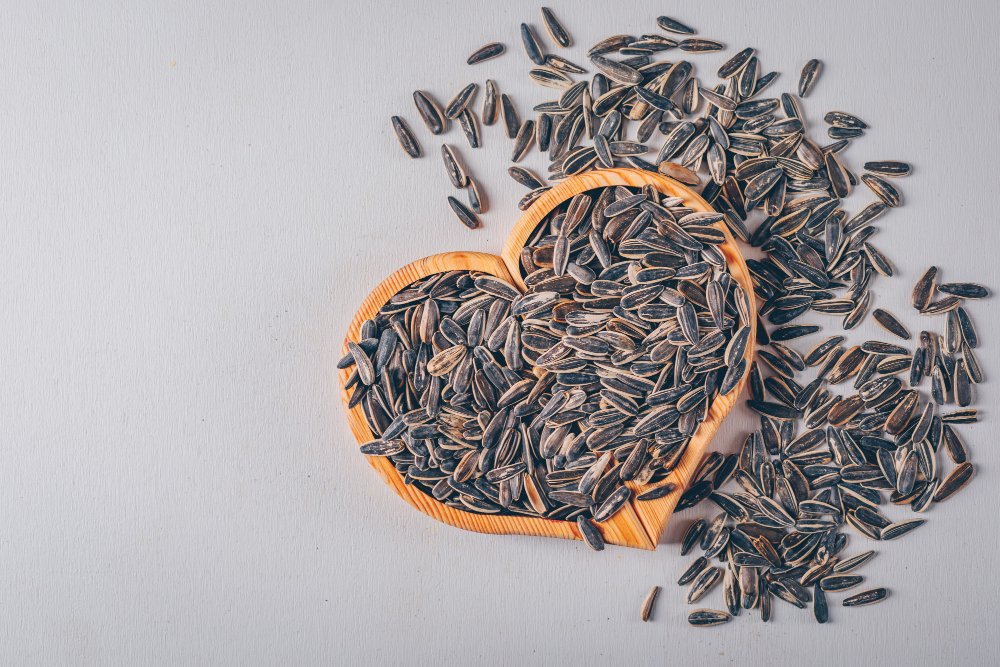
Sunflower seeds come from the large flower heads of the sunflower plant, known scientifically as Helianthus annuus. These edible kernels are encased in black and white striped shells. You can find them sold in-shell or as hulled kernels, available raw, roasted, salted, or unsalted.
Quality matters when choosing seeds. Companies like CMS Industries specialize in providing premium, sortex-cleaned sunflower seeds that meet international quality standards. Their commitment to selective procurement means you get seeds that are properly processed and safe for consumption during pregnancy.
Nutritional Profile of Sunflower Seeds
Understanding what’s inside these tiny seeds helps explain why they’re so beneficial during pregnancy.
USDA data shows that 100 grams of dried sunflower seed kernels provide about 584 calories, 20.8 grams of protein, and 51.46 grams of healthy fats. These nutritional values help guide consumers on which seed oil to choose for balanced nutrition.
Here’s what makes sunflower seeds in pregnancy such a smart choice:
Folate Content: A 100-gram serving provides 227 micrograms of folate, roughly 57% of the daily value. Folate is critical during early pregnancy for preventing neural tube defects in your developing baby.
Vitamin E Powerhouse: With 35.17 milligrams per 100 grams (about 234% of the recommended daily amount), sunflower seeds rank among the richest sources of vitamin E. This antioxidant protects your cells from damage and supports immune function.
Essential Minerals: These seeds deliver magnesium (325 mg), phosphorus (660 mg), iron (5.25 mg), zinc (5 mg), and selenium (53 mcg) per 100 grams. Each plays a role in bone health, blood cell production, and overall fetal development.
B-Complex Vitamins: Sunflower seeds contain thiamin (vitamin B1), niacin (vitamin B3), pyridoxine (vitamin B6), and pantothenic acid (vitamin B5), all supporting energy metabolism and healthy pregnancy.
Health Benefits of Sunflower Seeds During Pregnancy
Supports Fetal Brain and Spine Development
One of the key benefits of seed oil is that sunflower seed oil provides folate, which helps prevent neural tube defects affecting the brain and spinal cord. Research published in Reviews in Obstetrics & Gynecology shows that folic acid supplementation during pregnancy also supports red blood cell formation and oxygen transport throughout the body.
Boosts Energy Levels
Pregnancy fatigue is real. The protein, healthy fats, and B vitamins in sunflower seeds provide sustained energy throughout the day. Unlike sugary snacks that cause energy crashes, these seeds release energy slowly, keeping you active when you need it most.
Prevents Pregnancy Anemia
With iron content at 5.25 milligrams per 100 grams, sunflower seeds help prevent anemia. Your blood volume increases during pregnancy, making iron crucial for producing healthy red blood cells for both you and your baby.
Reduces Inflammation
Vitamin E and other plant compounds like chlorogenic acid in sunflower seeds offer anti-inflammatory benefits. This can help reduce pregnancy-related discomfort and support overall maternal health.
Supports Bone Development
Phosphorus and magnesium work together to build strong bones in your growing baby while maintaining your own bone health. These minerals also support your baby’s teeth formation.
Aids Digestion
Constipation troubles many pregnant women. With significant dietary fiber, sunflower seeds promote regular bowel movements and support digestive health throughout pregnancy.
Strengthens Immune System
Selenium and zinc in sunflower seeds help maintain and develop immune cells. During pregnancy, when your immune system faces extra demands, these nutrients provide valuable support.
How Much Should You Eat?
Portion control matters with sunflower seeds in pregnancy. While nutritious, these seeds are calorie-dense.
Most health experts recommend consuming about 1 ounce (28-30 grams) of shelled sunflower seeds daily during pregnancy. This equals roughly one handful or 1-2 tablespoons. This amount provides essential nutrients without excessive calories.
Start with smaller amounts if you’re new to eating sunflower seeds. You can enjoy them during any trimester, but they’re particularly beneficial during the first trimester when folate needs increase significantly.
Safe Ways to Eat Sunflower Seeds During Pregnancy
Choose the Right Type
Unsalted vs. Salted: Pick unsalted or lightly salted varieties to avoid excess sodium, which can contribute to water retention and high blood pressure during pregnancy.
Raw vs. Roasted: Both are safe. Roasting doesn’t significantly change the nutritional content, so choose based on personal preference.
Shelled vs. Unshelled: Hulled kernels are easier to eat in moderation. With unshelled seeds, you need to crack them open with your teeth and spit out the shell (which isn’t edible).
Storage Tips
Store sunflower seeds in an airtight container in the refrigerator to maintain freshness. Properly stored seeds last longer and retain their nutritional value.
Creative Ways to Include Them
As a Snack: Keep a small portion handy for quick energy between meals.
In Salads: Sprinkle roasted seeds over mixed greens for added crunch and nutrients.
With Breakfast: Mix into oatmeal, yogurt, or smoothie bowls for a morning nutrient boost.
In Baking: Add to homemade granola bars, muffins, or whole-grain bread.
As a Spread: Sunflower seed butter (similar to peanut butter) makes an excellent alternative for those with nut allergies.
In Cooking: Toss into stir-fries, vegetable dishes, or grain bowls.
Potential Risks and Precautions
While sunflower seeds are generally safe, being aware of potential risks helps you make informed choices.
Allergy Concerns
Seed allergies, though less common than nut allergies, do exist. If you experience symptoms like hives, itching, swelling, or difficulty breathing after eating sunflower seeds, stop immediately and consult your healthcare provider.
Excessive Calorie Intake
At approximately 584 calories per 100 grams, overeating sunflower seeds can lead to unwanted weight gain during pregnancy. Stick to recommended portion sizes.
High Sodium Risk
Salted varieties contain significant sodium. Excessive salt intake can raise blood pressure and cause water retention. Always choose unsalted or lightly salted options.
Mineral Toxicity
While rare, consuming extremely large amounts of sunflower seeds could lead to phosphorus or selenium toxicity. Symptoms include digestive issues, fatigue, and in severe cases, kidney problems. Moderation prevents this risk entirely.
Digestive Discomfort
Eating too many seeds at once might cause bloating or stomach discomfort due to high fiber content. Start small and increase gradually.
Quality Matters: Choosing Premium Seeds
Not all sunflower seeds are created equal. The source and processing methods matter, especially during pregnancy.
CMS Industries offers quality sunflower seeds processed using advanced sortex and machine cleaning technology. This thorough cleaning removes impurities and ensures you get premium seeds. When sourcing sunflower seeds during pregnancy, look for suppliers who prioritize quality and follow proper processing standards.
Whether you choose natural black seeds or striped gray varieties, make sure they come from reputable sources that guarantee non-GMO products.
Sunflower Seeds Compared to Other Pregnancy Snacks
How do sunflower seeds stack up against other popular pregnancy snacks?
They offer more vitamin E than almonds, comparable protein to pumpkin seeds, and more folate than most other seeds. The combination of healthy fats, protein, and fiber makes them superior to many processed snack options.
Unlike chia seeds or flax seeds, which need to be ground for maximum absorption, sunflower seeds can be eaten whole. This convenience factor makes them ideal for busy expecting mothers.
Addressing Common Myths
Myth: Sunflower seeds cause miscarriage. Truth: No scientific evidence supports this claim. When eaten in moderation, sunflower seeds are completely safe during pregnancy.
Myth: They always cause excessive weight gain. Truth: Only overconsumption leads to weight gain. Appropriate portions (about 30 grams daily) fit well within a balanced pregnancy diet.
Myth: Pregnant women should avoid all seeds. Truth: Most seeds, including sunflower seeds, provide valuable nutrients during pregnancy. The key is choosing quality products and eating appropriate amounts.
When to Consult Your Healthcare Provider
While sunflower seeds in pregnancy are generally safe, certain situations require medical guidance:
- If you have a history of seed or nut allergies
- If you experience any allergic reaction symptoms
- If you have gestational diabetes (although sunflower seeds may help manage blood sugar, professional guidance is needed)
- If you have concerns about portion sizes or how to incorporate them into your specific diet plan
- If you notice digestive discomfort after eating them
Your healthcare provider can offer personalized advice based on your individual health needs and pregnancy journey.
Making Sunflower Seeds Part of Your Pregnancy Diet
The versatility of sunflower seeds makes them easy to incorporate into various meals and snacks. Here are some practical ideas:
Trail Mix: Combine sunflower seeds with dried fruits, other nuts, and a small amount of dark chocolate for a balanced snack.
Energy Balls: Blend sunflower seeds with dates, coconut, and cocoa powder for homemade energy bites.
Smoothie Boost: Add a tablespoon to your morning smoothie for extra protein and healthy fats.
Grain Bowls: Top quinoa or rice bowls with roasted sunflower seeds for added texture and nutrition.
Vegetable Sides: Mix into roasted vegetables before serving.
The Bottom Line
Eating sunflower seeds during pregnancy offers numerous benefits when consumed mindfully. These nutrient-dense seeds provide folate, vitamin E, healthy fats, protein, and essential minerals that support both maternal health and fetal development.
Choose quality seeds from trusted suppliers like CMS Industries, who ensure proper processing and cleaning. Stick to recommended portion sizes of about 30 grams daily, prefer unsalted varieties, and store them properly for maximum freshness.
Whether you’re in your first trimester needing extra folate, second trimester seeking energy, or third trimester building baby’s bones, sunflower seeds can support your journey. Just remember that variety matters in pregnancy nutrition, so enjoy sunflower seeds as part of a balanced diet that includes fruits, vegetables, whole grains, lean proteins, and other nutrient-rich foods.
With the right approach, these small seeds can make a big difference in your pregnancy wellness. The key is eating them safely, choosing quality products, and listening to your body’s needs throughout your pregnancy journey.
Frequently Asked Questions (FAQs)
Q1: Can I eat sunflower seeds during the first trimester of pregnancy?
Yes, you can safely eat sunflower seeds during the first trimester. In fact, this is when they’re particularly beneficial because of their high folate content. Folate helps prevent neural tube defects during early fetal development. Start with small portions (about 1-2 tablespoons daily) and choose unsalted varieties to avoid excess sodium.
Q2: How many sunflower seeds should I eat per day while pregnant?
The recommended amount is approximately 30 grams (about 1 ounce) of shelled sunflower seeds daily during pregnancy. This equals roughly one small handful or 1-2 tablespoons. This portion provides essential nutrients like folate, vitamin E, and magnesium without excessive calories. Eating more than this could lead to unwanted weight gain or digestive discomfort.
Q3: Are roasted sunflower seeds as healthy as raw ones during pregnancy?
Both roasted and raw sunflower seeds are safe and nutritious during pregnancy. Roasting doesn’t significantly reduce their nutritional value. The main difference is taste and texture preference. Avoid heavily salted or flavored varieties, as excessive sodium can cause water retention and increase blood pressure. Choose dry-roasted, unsalted options for the healthiest choice.
Q4: Can sunflower seeds help with pregnancy constipation?
Yes, sunflower seeds can help prevent and relieve pregnancy constipation. They contain dietary fiber that promotes regular bowel movements and supports digestive health. The healthy fats in these seeds also help keep things moving through your digestive system. Combine them with adequate water intake for best results. Start with small amounts if you’re not used to eating high-fiber foods.
Q5: Where can I find quality sunflower seeds for pregnancy?
Look for reputable suppliers who prioritize quality and proper processing. CMS Industries offers premium sunflower seeds that undergo sortex and machine cleaning for purity and safety. When shopping, choose seeds labeled as non-GMO, check expiration dates, and inspect packaging for any damage. Store-bought options should be fresh-looking without signs of mold or rancid smell. Refrigerate after opening to maintain freshness.