When you walk down the snack aisle of your local grocery store, you’ll find dozens of seed options staring back at you. Two of the most popular choices are pumpkin seeds and sunflower seeds. Both pack a serious nutritional punch, but which one deserves a permanent spot in your pantry?
If you’re trying to make healthier food choices, understanding the differences between these two superfoods matters. They’re not just crunchy snacks. These tiny powerhouses can support your heart health, boost your immune system, and provide essential nutrients your body needs every day.
Let’s break down everything you need to know about pumpkin seeds versus sunflower seeds so you can make the right choice for your health goals.
What Are Pumpkin Seeds and Sunflower Seeds?
Before we compare these seeds, let’s understand what they actually are.
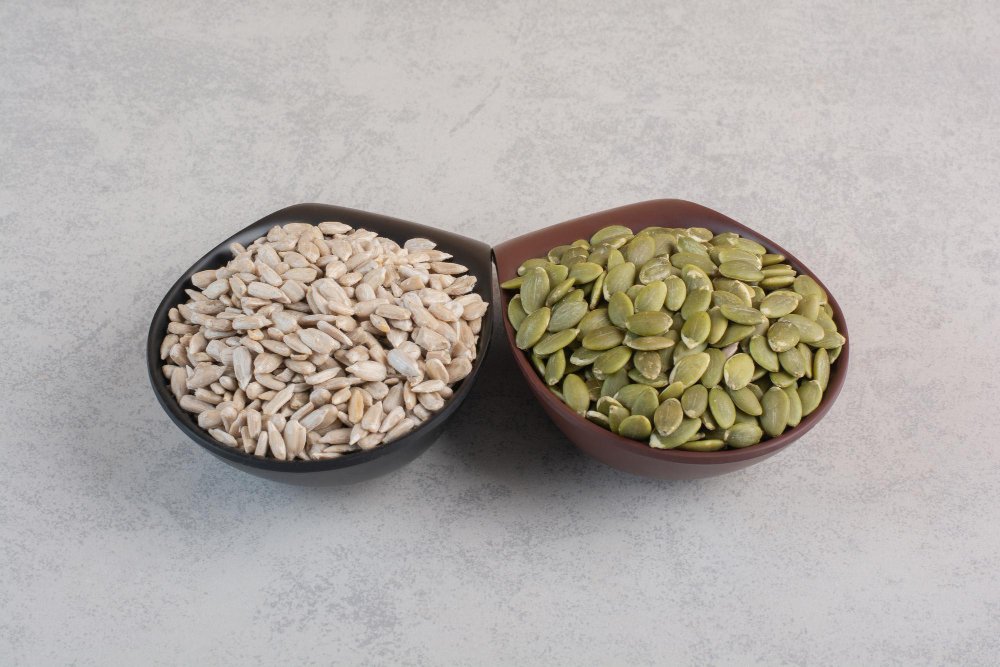
Pumpkin seeds, often called pepitas, come from the center of pumpkins and certain squash varieties. They’re flat, oval-shaped, and typically green in color. You’ll find them with or without their white outer shell. The green seeds you see in stores are usually from specific pumpkin varieties bred to produce shell-free seeds.
Sunflower seeds are the fruit of the sunflower plant (Helianthus annuus). A single sunflower head can produce up to 2,000 seeds. These seeds have black-and-white striped shells that you crack open with your teeth to reach the edible kernel inside. You can also buy them already shelled for easier consumption.
Both seeds have been eaten for thousands of years. Pumpkin seeds trace their history back to Central and South America around 7,000 BCE, where the Aztecs and Mayans used them for food and medicine. Sunflower seeds have roots in North America, dating back to approximately 3000 BCE when Native Americans cultivated them as a staple food source.
Nutritional Showdown: Pumpkin Seeds Vs Sunflower Seeds
Here’s where things get interesting. Both seeds are packed with nutrients, but they shine in different areas.
Calories and Macronutrients
Per 100-gram serving, sunflower seeds contain about 584 calories, while pumpkin seeds offer 446 calories. That’s a difference of 138 calories, which might matter if you’re watching your calorie intake.
Protein is where pumpkin seeds take the lead. They contain approximately 30 grams of protein per 100 grams, compared to sunflower seeds’ 21 grams. If you’re vegetarian, vegan, or just trying to increase your protein intake, pumpkin seeds are your better bet.
Sunflower seeds contain more fat at 51 grams per 100 grams, compared to pumpkin seeds at 49 grams. Through seed extraction, these seeds yield nutrient-dense oils rich in healthy unsaturated fats, which support heart health and help the body absorb fat-soluble vitamins.
When it comes to carbohydrates, the difference is stark. Pumpkin seeds contain about 54 grams of carbohydrates, while sunflower seeds have roughly 20 grams per 100 grams. Sunflower seeds also provide more fiber at 11.1 grams compared to pumpkin seeds’ 6.5 grams per 100 grams.
Vitamin Content: Where Sunflower Seeds Excel
Sunflower seeds dominate the vitamin category. They’re incredibly rich in vitamin E, providing about 35.17 grams per 100 grams (that’s roughly 234% of your daily recommended intake). Vitamin E acts as a powerful antioxidant that protects your cells from damage and supports skin health.
Sunflower seeds also excel in B vitamins. They’re loaded with thiamin (vitamin B1), niacin, vitamin B6, folate, and pantothenic acid. These vitamins help convert food into energy, support brain function, and keep your nervous system running smoothly.
Pumpkin seeds contain vitamins too, but in smaller amounts that don’t significantly contribute to your daily needs when compared to sunflower seeds.
Mineral Power: Pumpkin Seeds Fight Back
While sunflower seeds win the vitamin battle, pumpkin seeds dominate in certain minerals.
Magnesium is where pumpkin seeds truly shine. They contain approximately 550 mg per 100 grams, compared to sunflower seeds’ 129 mg. Magnesium supports muscle function, bone health, blood pressure regulation, and blood sugar control. Most people don’t get enough magnesium in their diet, so pumpkin seeds can help fill that gap.
Pumpkin seeds are also higher in zinc (7.81 mg vs 5 mg per 100 grams) and iron. Zinc boosts your immune system, supports wound healing, and helps with DNA synthesis. Iron prevents anemia and helps transport oxygen throughout your body.
Sunflower seeds counter with higher amounts of copper, manganese, phosphorus, and selenium. Selenium is particularly noteworthy because pumpkin seeds contain virtually none of it. About 24 micrograms of selenium in a cup of sunflower seeds provides roughly 35% of your daily requirement, supporting thyroid function and immune health.
Health Benefits: Pumpkin Seeds Vs Sunflower Seeds
Both seeds offer impressive health benefits, though they target different areas of your wellness.
Pumpkin Seeds Health Benefits
Research shows pumpkin seeds may help lower blood pressure and reduce the risk of heart disease thanks to their magnesium content and healthy fats. Studies also suggest they can support prostate health in men, which is why they’re often recommended for men’s wellness.
The high zinc content in pumpkin seeds strengthens your immune system. One study found that pumpkin seeds helped reduce inflammation markers in the body.
Pumpkin seeds contain tryptophan, an amino acid that your body converts into serotonin. This neurotransmitter regulates mood and sleep, so eating pumpkin seeds might help you sleep better at night.
The antioxidants in pumpkin seeds, including vitamin E and carotenoids, may help reduce the risk of certain cancers. Laboratory studies have shown that compounds in pumpkin seeds can slow the growth of breast and prostate cancer cells.
Sunflower Seeds Health Benefits
Sunflower seeds excel at fighting inflammation. Research involving more than 6,000 adults found that people who ate seeds (including sunflower seeds) at least five times per week had 32% lower levels of C-reactive protein, an inflammation marker linked to heart disease and type 2 diabetes.
The high vitamin E content in sunflower seeds protects your cardiovascular system. Vitamin E helps prevent LDL cholesterol oxidation, reduces inflammation, and lowers your risk of atherosclerosis (hardening of the arteries).
Studies suggest that eating about 1 ounce (30 grams) of sunflower seeds daily may help reduce fasting blood sugar by about 10% within six months. The seeds’ protein, fat, and fiber slow stomach emptying, allowing a more gradual release of sugar into your bloodstream.
The benefits of seeds include thyroid support, and sunflower seeds are particularly rich in selenium, a nutrient essential for regulating metabolism, bone health, mood, and energy levels.
For skin health, the vitamin E in sunflower seeds fights free radicals that contribute to aging. The healthy fats also support skin cell membranes, keeping your skin moisturized and supple.
CMS Industries: Your Source for Premium Seeds
When choosing between pumpkin seeds and sunflower seeds, quality matters as much as nutrition. CMS Industries, a leading agricultural products manufacturer, supplier, and exporter in India, specializes in premium oil seeds including both pumpkin and sunflower varieties.
Located in Kachchh, Gujarat, CMS Industries has been delivering high-quality agricultural products for over two decades. They work directly with farmers to ensure you get ethically sourced, nutrition-rich seeds that meet international quality standards.
Whether you’re looking for raw seeds, roasted varieties, or seeds for commercial use, CMS Industries offers a wide range of oil seed products. Their sortex and machine-cleaned processing ensures you receive premium-quality seeds free from impurities.
Which Seed Is Better for Your Goals?
The answer depends on what you’re trying to achieve with your diet.
Choose Pumpkin Seeds If:
- You need more protein in your diet
- You’re looking to boost magnesium intake
- You want to support prostate health
- You need help with sleep quality
- You’re following a lower-calorie eating plan
Choose Sunflower Seeds If:
- You want more vitamin E for skin and heart health
- You need thyroid support through selenium
- You’re looking for more dietary fiber
- You want to reduce inflammation
- You need B vitamins for energy production
How to Add These Seeds to Your Diet
Both seeds are incredibly easy to incorporate into your daily meals.
For Breakfast: Sprinkle either seed over your oatmeal, yogurt, or smoothie bowls. Add them to pancake or waffle batter for extra crunch and nutrition.
For Lunch and Dinner: Toss them into salads, blend them into pesto, or use them as a crunchy topping for roasted vegetables. Mix them into grain bowls or stir-fries.
For Snacks: Eat them plain, roasted, or seasoned with your favorite spices. Make your own trail mix by combining them with dried fruits and nuts. Spread sunflower seed butter or pumpkin seed butter on whole-grain toast.
For Baking: Add them to bread, muffins, cookies, and granola bars for added texture and nutrition.
Storage and Preparation Tips
Proper storage keeps your seeds fresh longer. Store both types in airtight containers in a cool, dark place. For extended shelf life, refrigerate or freeze them.
If you’re roasting your own seeds, spread them on a baking sheet and roast at 300°F (150°C) for about 15-20 minutes, stirring occasionally. Roasting enhances their flavor and makes them crunchier.
When buying seeds from stores, check the ingredients list. Many commercial varieties have added salt and sugar. CMS Industries offers both raw and minimally processed options that let you control what goes into your body.
Portion Control Matters
Despite their health benefits, both seeds are calorie-dense. A quarter cup (about 30 grams) is a reasonable serving size for most people. This amount gives you the nutritional benefits without going overboard on calories.
If you’re eating shelled sunflower seeds, the cracking process naturally slows you down and helps prevent overconsumption. Just watch the sodium content if the shells are salted.
Both seeds contain phytic acid, which can reduce the absorption of minerals like zinc and iron. Soaking or sprouting your seeds before eating can reduce phytic acid levels and improve nutrient absorption.
The Verdict: Both Seeds Win
Here’s the truth: you don’t have to choose just one. Both pumpkin seeds and sunflower seeds deserve a place in your diet.
Pumpkin seeds are better for protein, magnesium, and zinc. They’re the go-to choice for sleep support, prostate health, and bone strength.
Sunflower seeds excel in vitamin E, selenium, fiber, and B vitamins. They’re your best bet for skin health, thyroid function, and cardiovascular protection.
The smartest approach? Rotate between both seeds to get a broader range of nutrients. Mix them together in trail mix or alternate them throughout the week.
Final Thoughts
The debate between pumpkin seeds versus sunflower seeds doesn’t need a clear winner. Both offer unique nutritional profiles and health benefits that complement each other beautifully.
Your choice should depend on your specific health goals, taste preferences, and dietary needs. If you’re building a well-rounded diet, there’s room for both.
When you’re ready to add high-quality seeds to your pantry, consider sourcing from reputable suppliers who prioritize quality and nutrition. Companies like CMS Industries ensure you get premium, ethically sourced seeds that deliver all the health benefits these tiny nutritional powerhouses have to offer.
Start experimenting with both seeds today. Your body will thank you for the variety, nutrition, and delicious crunch these superfoods bring to your meals.
FAQs About Pumpkin Seeds Vs Sunflower Seeds
Can I eat pumpkin seeds and sunflower seeds every day?
Yes, you can safely eat both seeds daily in moderation. Stick to about one ounce (28 grams) per day to get their health benefits without consuming too many calories. If you’re new to eating seeds regularly, start with smaller amounts to let your digestive system adjust to the fiber content.
Which seed is better for weight loss?
Pumpkin seeds have fewer calories per serving (446 calories per 100 grams versus 584 for sunflower seeds), making them slightly better for weight loss. Both seeds are filling due to their protein and fiber content, which helps reduce overall food intake throughout the day.
Are raw or roasted seeds healthier?
Raw seeds contain slightly more nutrients since roasting can degrade some heat-sensitive vitamins. That said, roasting increases antioxidant levels and makes seeds easier to digest. Light roasting at lower temperatures preserves most nutrients while improving taste and shelf life. The healthiest option is buying raw, unsalted seeds from suppliers like CMS Industries and roasting them yourself at home.
Can people with nut allergies eat these seeds?
Seeds and nuts come from different plant families, so many people with nut allergies can safely eat seeds. That said, some individuals may have seed allergies or cross-reactivity. If you have severe nut allergies, consult your doctor before adding new seeds to your diet.
Do these seeds help with diabetes management?
Both seeds may help manage blood sugar levels. Studies show sunflower seeds can reduce fasting blood sugar by about 10% when eaten regularly. Pumpkin seeds also support blood sugar control through their magnesium content and fiber. The protein and healthy fats in both seeds slow carbohydrate absorption, preventing blood sugar spikes.