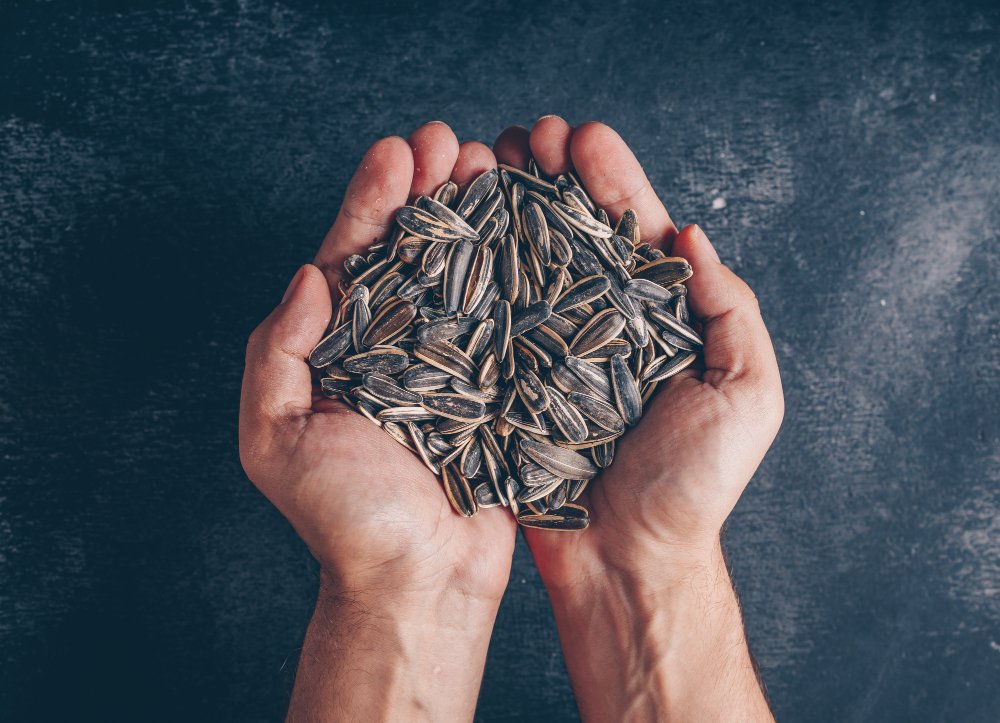
When you think of sunflower seeds, you might picture baseball players munching on them in the dugout or birds feasting at a backyard feeder. But these small, unassuming seeds pack a nutritional punch that can benefit men’s health in surprising ways. From supporting heart health to boosting testosterone levels, sunflower seeds offer a range of benefits backed by science.
Let’s break down why adding these crunchy seeds to your diet could be one of the smartest health decisions you make this year.
What Makes Sunflower Seeds a Nutritional Powerhouse?
Before we get into the specific benefits, here’s what you’re getting in a one-ounce serving of sunflower seeds:
- 165-207 calories
- 14 grams of fat (mostly healthy unsaturated fats)
- 5.5 grams of protein
- 6.5 grams of carbohydrates
- 234% of your daily vitamin E needs
- 27% of your daily selenium requirement
- 37% of your daily magnesium needs
- Zinc, copper, B vitamins, and more
CMS Industries, a trusted supplier of premium quality sunflower seeds in India, processes these seeds using advanced sortex cleaning technology to maintain their nutritional value. The company offers both black and striped gray varieties, making it easier for health-conscious men to access high-quality seeds.
Top 10 Sunflower Seeds Benefits for Male Health
1. Supports Testosterone Production and Reproductive Health
One of the most important sunflower seeds benefits for male health relates to hormonal balance. These seeds contain zinc, a mineral that plays a direct role in testosterone production. Just one ounce provides about 14% of your daily zinc needs.
The benefits of eating sesame seeds further strengthen this effect. Sesame seeds are rich in zinc, magnesium, and healthy fats that support hormone regulation and reproductive health.
Zinc is not just about testosterone. It also maintains healthy sperm production and supports overall reproductive function. Selenium, another mineral found in sunflower seeds, protects sperm from oxidative damage and improves sperm motility. Research published in the journal Nutrition shows that adequate zinc intake is associated with improved insulin resistance, which can indirectly support healthy hormone levels.
For men concerned about fertility, the combination of zinc, selenium, and vitamin E makes sunflower seeds a practical dietary addition.
2. Protects Prostate Health
Prostate health becomes increasingly important as men age. Sunflower seeds contain selenium, a trace mineral that research suggests may help reduce the risk of prostate cancer. Studies show that selenium’s antioxidant properties protect cells from damage that could lead to cancerous changes.
Vitamin E, abundant in these seeds, also contributes to prostate health. As a powerful antioxidant, it shields prostate cells from oxidative stress. While sunflower seeds alone won’t prevent prostate issues, they’re a smart addition to a balanced diet focused on long-term wellness.
3. Boosts Heart Health and Reduces Cardiovascular Risk
Heart disease remains the leading cause of death among men worldwide. The good news? Sunflower seeds contain nutrients that actively support cardiovascular health.
The seeds are rich in phytosterols, plant compounds that block cholesterol absorption in your digestive system. This helps lower LDL (bad) cholesterol levels. A study published in ISRN Nutrition found that eating just 30 grams of sunflower seeds daily reduced total cholesterol, LDL cholesterol, and triglycerides.
Sunflower seeds also provide:
- Unsaturated fats that support healthy cholesterol ratios
- Magnesium, which helps regulate blood pressure
- Potassium, which counteracts sodium’s effects on blood pressure
When you source quality seeds from suppliers like CMS Industries, you’re getting products with low saturated fat content, making them even better for heart health.
4. Enhances Muscle Function and Recovery
Whether you hit the gym regularly or just stay active, your muscles need proper nutrition to perform and recover. Sunflower seeds deliver magnesium, a mineral that aids muscle contraction and relaxation.
Magnesium deficiency can lead to muscle cramps, weakness, and poor recovery after exercise. Since sunflower seeds provide 37% of your daily magnesium needs in just one ounce, they make an excellent post-workout snack.
The protein content in these seeds also supports muscle repair. While they won’t replace your protein shake, they add quality amino acids to your diet that help with tissue recovery and growth.
5. Reduces Inflammation Throughout the Body
Chronic inflammation contributes to numerous health problems, from arthritis to heart disease. Sunflower seeds contain vitamin E, flavonoids, and phenolic compounds that combat inflammation at the cellular level.
Research shows that people who eat seeds five or more times per week have 32% lower C-reactive protein levels compared to those who don’t eat seeds. C-reactive protein is a key marker of inflammation in the body.
The anti-inflammatory properties of sunflower seeds can help with:
- Joint pain and stiffness
- Muscle soreness after exercise
- General inflammatory responses
- Long-term disease prevention
6. Strengthens Immune System Function
Your immune system needs specific nutrients to function properly. Sunflower seeds provide three critical immune-supporting nutrients: vitamin E, zinc, and selenium.
Vitamin E acts as a powerful antioxidant, protecting immune cells from damage. Zinc is necessary for developing and activating T-cells, which coordinate immune responses. Selenium helps produce antioxidants that your immune system uses to fight off infections.
For men who want to maintain strong immunity, especially during high-stress periods or seasonal changes, sunflower seeds offer a simple way to boost your nutrient intake.
7. Supports Cognitive Function and Brain Health
Your brain requires specific nutrients to maintain focus, memory, and overall cognitive function. Sunflower seeds contain several brain-supporting compounds:
- Magnesium improves cognitive function and supports healthy nerve signaling
- Vitamin E protects brain cells from oxidative damage
- Folate supports brain function and neurotransmitter production
- B vitamins help with energy metabolism in brain cells
Research suggests that vitamin E may reduce the risk of age-related cognitive decline. While one food won’t prevent dementia, including nutrient-dense options like sunflower seeds supports long-term brain health.
8. Helps Manage Blood Sugar Levels
Type 2 diabetes affects millions of men, but diet plays a significant role in prevention and management. Sunflower seeds contain compounds that may help control blood sugar:
- Chlorogenic acid helps reduce blood sugar by limiting glycogen breakdown in the liver
- Fiber slows sugar absorption
- Protein helps stabilize blood sugar levels
- Magnesium improves insulin sensitivity
One study found that people who ate 30 grams of sunflower seeds daily as part of a healthy diet reduced fasting blood sugar by 10% within six months. The combination of protein, healthy fats, and fiber makes these seeds a low-glycemic snack option.
9. Promotes Healthy Skin and Reduces Signs of Aging
Men’s skin health deserves attention too. The vitamin E in sunflower seeds protects skin from oxidative damage caused by sun exposure, pollution, and aging. This fat-soluble antioxidant helps maintain skin integrity and supports repair processes.
Essential fatty acids in the seeds also contribute to skin health by:
- Maintaining skin hydration
- Supporting the skin barrier function
- Reducing inflammation that can cause skin issues
- Promoting overall skin appearance
Healthy skin isn’t just about appearance. It’s your body’s first line of defense against environmental threats, making skin health an important aspect of overall wellness.
10. Increases Energy Levels and Reduces Fatigue
Feeling sluggish throughout the day? Sunflower seeds can help. The B vitamins in these seeds, particularly vitamin B1 (thiamin), help convert food into usable energy for your body.
The combination of protein, healthy fats, and complex carbohydrates provides sustained energy without the crash you get from sugary snacks. Selenium also increases blood flow and oxygen delivery to your cells, which can help combat fatigue.
For men with active lifestyles or demanding work schedules, sunflower seeds make a practical, energy-boosting snack that doesn’t rely on caffeine or sugar.
How to Add Sunflower Seeds to Your Diet
Getting these sunflower seeds benefits for male health is easy. Here are practical ways to include them in your daily routine:
- Sprinkle raw or roasted seeds on salads for extra crunch
- Blend them into smoothies for added protein and nutrients
- Mix them into yogurt or oatmeal for breakfast
- Add them to homemade trail mix with dried fruit and nuts
- Use sunflower seed butter as a nut-free spread
- Toss them into stir-fries or pasta dishes
- Include them in baked goods like bread or muffins
CMS Industries offers customized packing options for their premium quality sunflower seeds, making it convenient to keep these nutritious seeds on hand whether you’re at home or on the go.
Important Considerations and Portion Control
While sunflower seeds offer numerous health benefits and are an excellent example of oil seeds for a healthy diet, moderation still matters. Here’s what to keep in mind:
Portion size: Stick to about one ounce (roughly 1/4 cup) per day. This provides substantial nutrients without excessive calories.
Sodium content: If you choose salted varieties, watch your overall sodium intake. Salted sunflower seeds can contain 200-300mg of sodium per ounce. Unsalted versions maximize health benefits without added sodium.
Calorie density: At 165-207 calories per ounce, these seeds are energy-dense. If you’re watching your weight, measure portions rather than eating directly from the bag.
Digestive considerations: The high fiber content is beneficial, but introduce sunflower seeds gradually if you’re not used to eating seeds. A sudden increase in fiber can cause digestive discomfort.
Choosing Quality Sunflower Seeds
The nutritional quality of sunflower seeds depends on how they’re processed and stored. Look for:
- Seeds that are properly cleaned and sorted
- Products from reputable suppliers with quality control measures
- Packaging that protects seeds from moisture and light
- Seeds without added oils, sugars, or artificial ingredients
CMS Industries uses sortex and machine cleaning technology to provide premium quality sunflower seeds. Their independent logistics and supply chain system ensures fresh products reach consumers efficiently.
The Bottom Line on Sunflower Seeds Benefits for Male Health
Sunflower seeds won’t solve all your health concerns, but they offer genuine nutritional value that supports multiple aspects of male wellness. From hormonal balance to heart health, from muscle function to immune support, these small seeds deliver measurable benefits.
The key is consistent, moderate consumption as part of a balanced diet. Don’t expect miracles from any single food, but recognize that nutrient-dense options like sunflower seeds contribute to your overall health strategy.
Whether you’re focused on athletic performance, long-term disease prevention, or just feeling better day to day, adding a handful of quality sunflower seeds to your routine is a simple step in the right direction.
Frequently Asked Questions
Q: How many sunflower seeds should men eat daily for health benefits?
A: About one ounce (roughly 1/4 cup or 28 grams) per day provides substantial nutrients without excessive calories. This amount delivers significant vitamin E, selenium, magnesium, and zinc while staying within reasonable calorie limits. Eating this amount regularly, rather than consuming large quantities occasionally, offers the best health benefits.
Q: Can sunflower seeds really boost testosterone levels in men?
A: Sunflower seeds contain zinc, which supports testosterone production, but they won’t dramatically increase testosterone on their own. Think of them as part of an overall nutrition strategy for hormonal health. If you have clinically low testosterone, you need medical treatment, not just dietary changes. For maintaining healthy hormone levels, the zinc and selenium in sunflower seeds contribute positively.
Q: Are roasted or raw sunflower seeds better for male health?
A: Raw sunflower seeds retain slightly more nutrients since heat can degrade some vitamins. However, roasted seeds are still nutritious and often more appealing to eat. The difference in health benefits is minimal. Choose unsalted versions of either type to avoid excess sodium. What matters most is eating them regularly, so pick whichever type you’ll actually consume.
Q: Do sunflower seeds help with muscle building and workout recovery?
A: Sunflower seeds support muscle function through their magnesium content, which aids muscle contraction and relaxation. The protein provides amino acids for repair, though the amount is modest compared to dedicated protein sources. They work well as part of post-workout nutrition but shouldn’t replace protein-rich foods. The anti-inflammatory properties also help reduce muscle soreness after training.
Q: Can eating sunflower seeds prevent prostate problems in men?
A: While sunflower seeds contain selenium and vitamin E, which research suggests may support prostate health, no single food prevents prostate problems. They’re one component of a diet that may reduce risk factors. Men concerned about prostate health should focus on overall nutrition, regular exercise, maintaining healthy weight, and getting appropriate medical screenings. Sunflower seeds are a helpful addition but not a prevention guarantee.