If you’re looking for healthy wheat alternatives, you’ve probably heard about bajra. This ancient grain has been a staple in Indian kitchens for centuries, but one question keeps coming up: is bajra gluten free?
The answer is yes. Bajra is naturally gluten free, making it a safe choice for people with celiac disease or gluten sensitivity. Let’s explore everything you need to know about this nutritious grain.
What Is Bajra?
Bajra, known as pearl millet in English, is one of the oldest cultivated grains in India and Africa. In India, it goes by different names depending on the region. You might hear it called Sajje in Kannada, Kambu in Tamil and Malayalam, or Sajjalu in Telugu. It is also commonly grouped under green millets / green bajra, a term used to describe traditional, minimally processed millet varieties valued for their natural colour, nutrition, and sustainability.
CMS Industries supplies premium quality bajra along with other agricultural products including Indian spices, grains, pulses, and oilseeds. The company sources these products ethically from farmers across India.
This hardy crop thrives in dry, arid climates where other grains struggle. That’s why it’s been a traditional food source in places like Rajasthan and Gujarat for generations.
Is Bajra Gluten Free? The Science Behind It
Here’s what you need to know. Research published in the Journal of Agricultural and Food Chemistry found no detectable gluten proteins in pearl millet. Gluten refers to proteins called glutenins and gliadins, found mainly in wheat, barley, and rye.
Bajra doesn’t contain these proteins. A 2021 study in the International Journal of Celiac Disease verified that pearl millet is safe for individuals with celiac disease.
What does this mean for you? If you have celiac disease or non-celiac gluten sensitivity, bajra is a safe grain to include in your diet. Just make sure you buy from certified sources to avoid cross-contamination during processing.
Bajra Nutritional Profile
Let’s talk numbers. One cup (170 grams) of cooked bajra provides:
- Calories: 201
- Protein: 6 grams
- Fat: 1.7 grams
- Carbs: 40 grams
- Fibre: 2 grams
- Iron: 6% of Daily Value
- Magnesium: 18% of Daily Value
- Phosphorus: 14% of Daily Value
- B vitamins: 11-15% of Daily Value
Bajra contains phenolic compounds with antidiabetic activity, which may help control blood sugar levels. The grain is also packed with antioxidants that fight free radical damage.
For people buying from suppliers like CMS Industries, knowing the nutritional content helps you make informed choices about your grain purchases.
Health Benefits of Bajra Gluten Free Grain
Supports Digestive Health
Bajra contains 4.16 grams of fibre per cup, with insoluble fibre that ensures your body’s digestive health remains in good shape. This fibre helps prevent constipation and keeps your gut happy.
The high fibre content also makes you feel full longer, which can help with weight management.
Manages Blood Sugar Levels
Bajra ranks low on the glycemic index. This means it releases sugar slowly into your bloodstream. For people with diabetes or those watching their blood sugar, this is brilliant news.
The carbohydrate content in pearl millet slows the digestion rate and maintains a stable sugar level for a longer period.
Promotes Heart Health
The Harvard-based Nurses’ Health Study found that women who ate two to three servings of whole grains daily were 30% less likely to have a heart attack or die from heart disease.
Bajra contains phytic acid that helps regulate cholesterol metabolism. The magnesium in bajra also supports heart function by helping regulate blood pressure.
Strengthens Bones
Pearl millet is packed with calcium, which is essential for bone modelling and structure, plus magnesium content that helps build bone density and strength.
This makes bajra particularly good for growing children, pregnant women, and elderly people who need to maintain bone health.
Boosts Energy Levels
Magnesium plays a role in converting food into energy and regulating your nervous system. One of the first signs of magnesium deficiency is fatigue, so eating magnesium-rich foods like bajra can help increase your energy level.
Can People with Celiac Disease Eat Bajra?
Absolutely. A 2019 clinical trial published in the Journal of Gastroenterology involved 28 patients with celiac disease who consumed bajra-based products for 12 weeks and showed no adverse reactions.
The participants maintained stable antibody levels and reported high satisfaction with bajra foods. This reinforces bajra’s reputation as a safe, naturally gluten-free grain when handled correctly.
However, there’s an important caveat. While bajra is inherently gluten free, cross-contamination can occur during processing. If bajra flour is milled in facilities that also handle wheat or barley, traces of gluten may be introduced.
This is similar to quality concerns discussed in comparisons like turmeric vs saffron which is better. Just as saffron’s value depends on purity and sourcing (and turmeric’s on curcumin content and processing), the health safety of bajra depends heavily on how and where it is processed.
When sourcing bajra, look for certified gluten-free products or suppliers that process bajra separately from gluten-containing grains. CMS Industries follows strict quality control measures in grain processing to help ensure product purity and minimize contamination risks.
How to Use Bajra in Your Kitchen
Bajra is more versatile than you might think. Here are some popular ways to use it:
Bajra Roti (Flatbread)
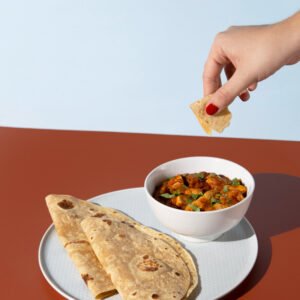
Mix bajra flour with warm water and a pinch of salt. Knead the dough, then roll it into small, thick rotis. Cook on a tawa until golden brown. Serve with ghee, dal, or your favourite curry.
Since bajra has no gluten, the dough won’t be as elastic as wheat dough. Some people mix it with other flours or use a plastic sheet to roll it out.
Bajra Khichdi
Soak bajra and moong dal for 30 minutes. Pressure cook with turmeric, salt, and vegetables until soft. This makes a comforting, nutritious one-pot meal that’s perfect for winter.
Bajra Porridge
Cook bajra with milk or water, add jaggery or dates for sweetness, and flavour with cardamom. This makes a warming breakfast that keeps you full till lunch.
Bajra in Salads
Cook bajra grains and let them cool. Toss with chopped vegetables, fresh herbs, lemon juice, and olive oil for a nutritious salad.
Bajra Gluten Free vs Other Grains
How does bajra stack up against other grains?
Bajra vs Wheat: Bajra has more fibre, iron, and antioxidants than wheat. It’s naturally gluten free, while wheat contains gluten. Bajra also has a lower glycemic index.
Bajra vs Rice: Bajra provides more protein and fibre than white rice. It’s more filling and keeps blood sugar stable longer.
Bajra vs Jowar: Both are gluten-free millets. Bajra has a warming effect on the body, making it better for winter. Jowar is lighter and suits summer better.
Bajra vs Ragi: Both are nutritious millets. Ragi has more calcium, while bajra has more iron and magnesium.
Things to Keep in Mind
While bajra is healthy, there are a few things to consider:
Thyroid Function: Bajra contains goitrogens, which can interfere with thyroid function if consumed in large quantities. If you have thyroid issues, eat bajra in moderation and ensure adequate iodine intake. This is a general consideration across several millets—not just bajra. If you’ve ever wondered is ragi the same as millet or is it a millet variety, the answer is that ragi (finger millet) is indeed a millet, and similar moderation advice applies to it as well.
Digestive Sensitivity: Some people find bajra harder to digest initially. Start with small portions and see how your body responds.
Preparation Matters: Soaking, fermenting, or sprouting millet may reduce its antinutrient content. These methods also make bajra easier to digest.
Storage: Keep bajra flour in an airtight container in a cool, dry place. Use it within a few months for best flavour and nutrition.
Buying Quality Bajra
When buying bajra, quality matters. Look for:
- Clean, uniform grains without stones or impurities
- Fresh flour with no rancid smell
- Certified gluten-free labels if you have celiac disease
- Organic options when possible
CMS Industries, based in Kachchh, Gujarat, has been supplying quality agricultural products including various types of bajra (green, grey, red, and yellow bajra) for over two decades. They’re known for their sortex and machine-cleaned grains that meet national and international standards.
Final Thoughts
So, is bajra gluten free? Yes, it definitely is. This ancient grain offers a nutritious alternative to wheat, packed with fibre, protein, iron, and magnesium. Whether you’re managing celiac disease, watching your blood sugar, or just looking for healthier grain options, bajra fits the bill.
The key is buying quality bajra from reliable sources and preparing it properly. The same principle applies across industries—companies like CMS Industries, known for their strict quality control and sourcing standards in industrial minerals, highlight how consistency and raw-material quality directly impact end use. When it comes to food grains like bajra, choosing trusted suppliers and well-processed produce is just as important.
With its earthy flavour and impressive health benefits, bajra deserves a place in your kitchen. Whether you make traditional rotis, warming khichdi, or creative salads, this gluten-free grain can add both nutrition and variety to your meals.
FAQs About Bajra Gluten Free
Is bajra flour completely gluten free?
Yes, bajra flour is naturally gluten free because pearl millet doesn’t contain gluten proteins. But always check for certified gluten-free labels to ensure no cross-contamination occurred during processing or packaging in facilities that handle wheat or other gluten grains.
Can I eat bajra every day?
You can eat bajra daily in moderation as part of a balanced diet. Limit yourself to one or two rotis per day. Bajra supports digestion, provides sustained energy, and helps manage blood sugar. But eating too much might cause bloating in some people, so listen to your body.
Is bajra better than wheat for weight loss?
Bajra can be better than wheat for weight loss because it has more fibre and protein, keeping you fuller longer. Its low glycemic index prevents blood sugar spikes that trigger cravings. Plus, it’s naturally gluten free, which some people find easier to digest than wheat.
Does bajra cause any side effects?
Bajra is safe for most people when eaten in moderate amounts. Some might experience bloating or gas initially, especially if they’re not used to high-fibre foods. People with thyroid issues should eat bajra in moderation due to its goitrogen content. Always soak or ferment bajra before cooking to improve digestibility.
Where can I buy good quality bajra in India?
You can buy quality bajra from local grain markets, organic stores, or agricultural suppliers. CMS Industries supplies premium bajra grains sourced directly from farmers. Look for sortex-cleaned grains free from stones and impurities. Online platforms also offer certified organic and gluten-free bajra flour options.