Bajra, known as pearl millet in English, has been a dietary staple across India for centuries. Yet a common question persists: is bajra hot or cold for the body? This question matters because understanding a food’s thermal nature helps you make better choices about when and how to eat it, especially in a country where traditional food wisdom and Ayurvedic principles guide many dietary decisions.
Let’s break down what science and traditional knowledge tell us about bajra’s effects on your body.
Understanding Food’s Thermal Nature in Indian Context
Before we address whether bajra is hot or cold for the body, it helps to understand what these terms mean. In Ayurveda and traditional Indian nutrition, foods are classified based on their effect on body temperature and metabolism, not just their serving temperature.
Hot foods (known as “ushna” in Ayurveda) tend to:
- Increase body heat and metabolism
- Stimulate digestion
- Generate warmth internally
- Work better in cold weather
Cold foods (known as “sheeta”) typically:
- Cool the body down
- Reduce internal heat
- Soothe inflammation
- Suit hot climates better
CMS Industries recognizes these traditional concepts while providing modern millet processing solutions that preserve the grain’s natural properties.
Is Bajra Hot or Cold for Body? The Answer
Bajra is considered a hot food for the body according to Ayurvedic principles. This classification means pearl millet generates internal heat and increases your metabolic rate after consumption. Traditional diets often include grey millet (grey bajra) during colder months because its warming nature helps balance the body, improve digestion, and support overall energy levels.
Here’s why bajra falls into the hot category:
- High Protein and Complex Carbohydrates: Bajra contains about 11-12% protein, which requires more energy to digest. This process, called the thermic effect of food, naturally raises body temperature.
- Rich Iron Content: With approximately 8 mg of iron per 100 grams, bajra supports better blood circulation and oxygen transport, which contributes to warmth generation in the body.
- Dense Caloric Value: Pearl millet provides sustained energy release, keeping your metabolism active for longer periods and maintaining body warmth.
Scientific Perspective on Bajra’s Warming Properties
Modern nutritional science supports many traditional observations about bajra’s effects on the body. Research published by the Indian Council of Agricultural Research shows that pearl millet’s complex carbohydrates and high fiber content create a sustained metabolic response. This is one reason bajra behaves very differently from grains like barley, which is barley is considered as millet but a cereal grain with a distinct nutritional profile and gluten content. Understanding this difference helps clarify why millets like bajra are often recommended for metabolic health, while barley serves different dietary purposes.
When you eat bajra, your body works harder to break down its nutrients compared to refined grains. This increased digestive effort translates to more heat production, a process scientists call diet-induced thermogenesis.
The grain’s magnesium content (about 137 mg per 100 grams) also plays a role. Magnesium supports hundreds of enzymatic reactions in your body, many of which generate energy and heat as byproducts.
Benefits of Bajra’s Hot Nature
The warming property of bajra brings several practical benefits, especially when consumed thoughtfully:
Winter Nutrition: Bajra works excellently as a winter food. The internal warmth it generates helps your body maintain comfortable temperature during cold months without needing excess external heating or heavy clothing.
Energy for Physical Work: If you engage in physical labor or intensive exercise, bajra’s heat-generating properties support sustained energy levels. Farmers across Rajasthan and Gujarat have relied on bajra rotis for generations during harvest seasons for exactly this reason.
Digestive Fire Enhancement: In Ayurvedic terms, bajra strengthens “agni” or digestive fire. This means better breakdown of nutrients and improved gut function, particularly beneficial for people with sluggish digestion.
Metabolism Support: For those looking to maintain an active metabolism, the hot nature of bajra can be advantageous. The grain requires significant digestive effort, keeping your metabolic rate elevated.
When to Be Cautious with Bajra Consumption
While bajra’s warming properties offer benefits, they also mean you should consume it mindfully in certain situations:
Summer Months: During peak summer, especially in hot regions of India, eating bajra daily might increase body heat excessively. You may experience symptoms like increased thirst, excessive sweating, or skin breakouts.
Body Constitution (Prakriti): People with predominantly pitta constitution in Ayurveda (characterized by naturally high body heat) should moderate their bajra intake, particularly in warm weather.
Health Conditions: If you already deal with conditions that involve excess heat, such as acid reflux, certain skin conditions, or inflammatory issues, large amounts of bajra might not suit you.
CMS Industries processes various millets while maintaining their nutritional integrity, allowing consumers to make informed choices based on their individual needs.
How to Balance Bajra’s Hot Nature
You don’t need to avoid bajra completely even if its hot nature concerns you. Smart pairing and preparation methods can balance its thermal effects:
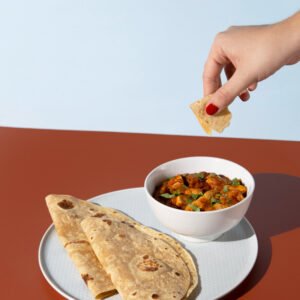
Combine with Cooling Foods: Pair bajra roti with cooling accompaniments like cucumber raita, mint chutney, or buttermilk. These combinations are traditional for good reason, they balance the meal’s overall thermal impact.
Seasonal Adjustment: Eat bajra more frequently during winter months (November through February) and reduce consumption during summer peak (April through June).
Preparation Methods: Soaking bajra before cooking can slightly reduce its heating effect. Adding ghee to bajra preparations also helps balance the heat according to Ayurvedic principles.
Portion Control: Instead of making bajra your only grain, rotate it with other millets and grains throughout the week. This approach gives you nutritional benefits without overwhelming your system.
Bajra Compared to Other Millets
Understanding where bajra stands compared to other millets helps you make better choices:
Ragi (Finger Millet): Considered slightly cooling compared to bajra, ragi works better for summer consumption.
Jowar (Sorghum): Falls in the neutral to slightly cooling category, making it suitable year-round.
Foxtail Millet: Generally neutral in nature, neither significantly heating nor cooling.
This comparison shows that having variety in your millet consumption, something that CMS Industries supports through diverse grain processing, helps maintain thermal balance in your diet.
Regional Consumption Patterns
Traditional consumption patterns across India reflect awareness of bajra’s hot nature:
In Rajasthan, bajra remains the primary grain during winter months. Local dishes like bajra roti with garlic chutney and buttermilk show intuitive pairing of hot food with cooling accompaniments.
Gujarat’s rural areas follow similar patterns, with bajra rotla featuring prominently in winter meals but giving way to lighter grains during summer.
These regional practices, developed over generations, demonstrate practical wisdom about managing food’s thermal properties.
Making Bajra Work for Your Body
The question “is bajra hot or cold for the body” has a clear answer: it’s hot. But this shouldn’t dictate whether you include it in your diet. Instead, use this knowledge to consume bajra intelligently—much like other millets that are often discussed under topics such as millet underrated gluten-free grain.
Listen to your body’s signals. If you feel excessively warm, thirsty, or uncomfortable after eating bajra, reduce the quantity or frequency. If you feel energized and comfortable, especially during cooler months, bajra can be a regular part of your meals.
Consider your activity level too. If you lead an active lifestyle with regular physical work or exercise, bajra’s warming and energizing properties align well with your needs regardless of season.
Conclusion
Bajra is definitively a hot food for the body, generating internal warmth and increasing metabolic activity. This thermal property brings advantages like sustained energy, better winter nutrition, and improved digestive strength.
However, being aware of this nature allows you to consume bajra wisely. Balance it with cooling foods, adjust intake seasonally, and pay attention to your individual constitution. When consumed thoughtfully, bajra offers exceptional nutritional benefits without overwhelming your system’s thermal balance.
Whether you’re exploring traditional grains for health reasons or simply diversifying your diet, understanding bajra’s hot nature helps you integrate this ancient grain into modern eating patterns effectively.
Frequently Asked Questions
Q1: Can I eat bajra daily if it’s hot for the body?
Yes, you can eat bajra daily, but adjust the quantity based on season and your body type. During winter, daily consumption works well for most people. In summer, consider having it 3-4 times weekly instead, and pair it with cooling foods like yogurt or cucumber. People with naturally high body heat should be more cautious about daily consumption year-round.
Q2: Does bajra cause body heat in summer?
Bajra does increase internal body heat regardless of the season, which is why traditional diets reduce bajra consumption during hot months. If you choose to eat it in summer, have smaller portions, consume it during cooler parts of the day, and always accompany it with cooling beverages like buttermilk or foods like raita to balance the thermal effect.
Q3: Who should avoid eating bajra?
People with pitta-dominant constitution (high natural body heat), those suffering from inflammatory conditions, acid reflux, or excessive sweating should limit bajra intake. It’s not about complete avoidance but moderation. If you’re unsure about your constitution or have specific health concerns, consulting an Ayurvedic practitioner or nutritionist helps determine appropriate consumption levels.
Q4: What can I eat with bajra to reduce its heating effect?
Pair bajra with naturally cooling foods to balance its thermal impact. Excellent options include cucumber raita, mint chutney, buttermilk, curd, coconut-based preparations, and leafy greens. Traditional combinations like bajra roti with garlic chutney and buttermilk demonstrate this balancing principle. Adding ghee to bajra preparations also helps moderate the heating effect according to Ayurvedic principles.
Q5: Is bajra better than wheat for body heat?
Wheat is considered neutral to slightly cooling compared to bajra’s distinctly hot nature. For people in hot climates or with high natural body heat, wheat may be a better daily staple, while bajra can be consumed occasionally. However, bajra offers superior nutritional value in terms of protein, iron, and fiber. The “better” choice depends on your individual needs, climate, and season.