Khichdi is one of India’s oldest comfort foods. It is easy to digest, warming, and flexible enough to fit dozens of regional recipes. But lately, a lot of people are asking whether swapping white rice for bajra (pearl millet) makes a meaningful difference to their health. The short answer is yes, it does, and in more ways than one. Let’s break it down properly.
What Is Bajra Khichdi, and How Does It Differ from Regular Rice Khichdi?
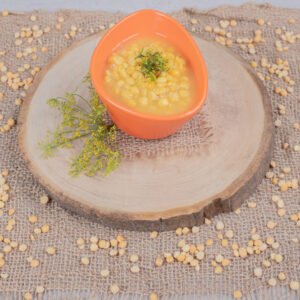
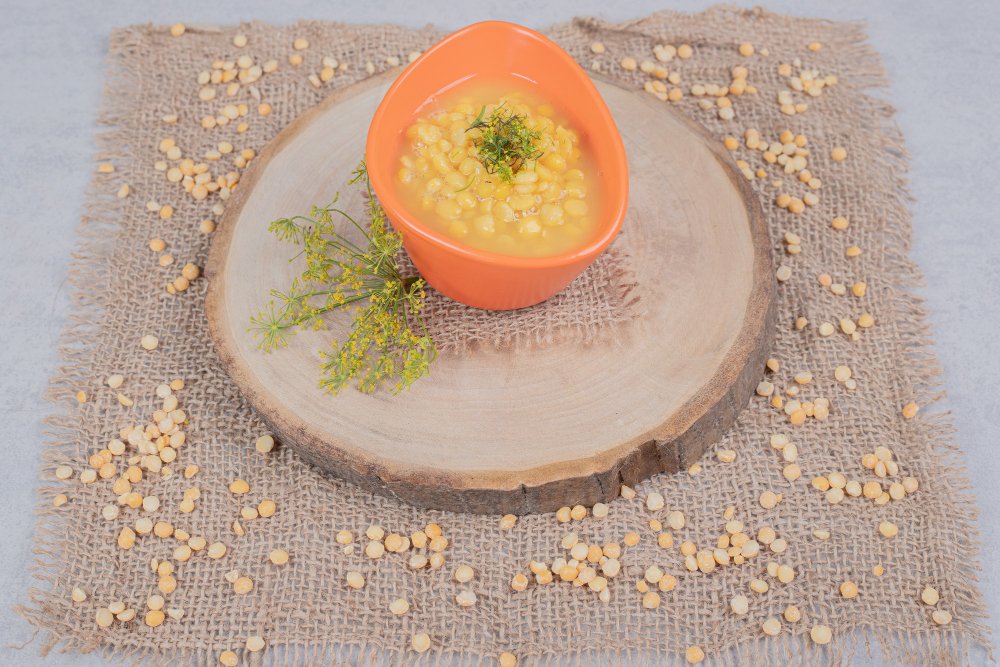
Regular rice khichdi is made with white rice and split yellow lentils (moong dal), cooked together with ghee and a handful of spices. It is light, easy to digest, and has been a go-to meal for sick days and detox routines for centuries.
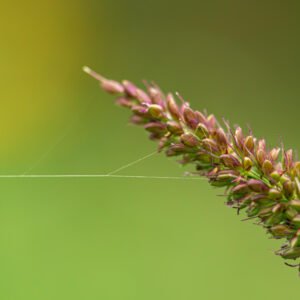
Red Bajra khichdi swaps white rice for pearl millet, which is a whole grain that retains its bran and germ layers. Nutritionally, this is a big deal. Pearl millet contains significantly more fiber, protein, iron, magnesium, and zinc compared to polished white rice. The lentils stay the same in most recipes, so the main variable is the grain itself.
The texture is different too. Bajra has a slightly coarser, earthier feel that pairs well with mustard seeds, garlic, and a generous pour of ghee. It’s a staple in Rajasthan and Gujarat, where winters call for something more filling than a bowl of plain rice khichdi.
Bajra Khichdi vs Regular Rice Khichdi: A Nutritional Breakdown
Here is a side-by-side comparison per 100g of cooked grain (approximate values based on USDA FoodData Central and ICRISAT data):
| Nutrient | Pearl Millet (Bajra) | White Rice (Polished) |
| Calories | ~378 kcal (raw) | ~365 kcal (raw) |
| Protein | ~11g | ~6.8g |
| Dietary Fiber | ~8.5g | ~0.4g |
| Iron | ~8mg | ~0.8mg |
| Magnesium | ~114mg | ~25mg |
| Zinc | ~3.1mg | ~1.1mg |
| Glycemic Index | ~55 (medium) | ~72 (high) |
The numbers tell a clear story. Bajra comes out ahead on protein, fiber, and most micronutrients. White rice, especially polished white rice, loses most of its nutrients during milling. What remains is mostly starch.
Why Bajra Khichdi Has the Edge for Blood Sugar Management
One of the biggest differences between the two lies in how each grain affects blood sugar levels. White rice has a high glycemic index, which means it digests quickly and causes a sharper spike in blood glucose. For people managing type 2 diabetes or insulin resistance, that matters a lot. In contrast, bajra is beneficial for weight loss because it digests more slowly, helps control hunger, and supports better blood sugar regulation.
Bajra has a lower glycemic index, partly because of its higher fiber content. Dietary fiber slows down digestion and leads to a more gradual release of glucose into the bloodstream. A 2019 study published in Frontiers in Plant Science reported that pearl millet’s grain composition supports better glycemic control compared to refined cereals.
This does not mean rice khichdi is off the table for diabetics, especially if it is made with parboiled or brown rice. But whole grain bajra, by default, gives you more room to work with.
Fiber and Gut Health: Where Bajra Pulls Ahead
Fiber is one of the clearest wins bajra has over white rice. At roughly 8.5g per 100g (raw), pearl millet contains more than 20 times the dietary fiber of polished white rice.
Here is why that matters for gut health:
- Promotes regular bowel movements by adding bulk to stool
- Feeds beneficial gut bacteria, which produce short-chain fatty acids linked to lower inflammation
- Reduces cholesterol absorption in the intestine, which supports heart health
- Keeps you full longer, which can help with weight management
Regular rice khichdi, while easy on the stomach and good for recovery days, contributes very little fiber to your daily intake. If your diet already lacks fiber-rich foods, bajra khichdi is a practical way to bridge that gap.
Protein Content: A Win for Bajra in a Plant-Based Diet
Most people think of lentils as the protein source in khichdi, and they are right. But the base grain also contributes. Bajra provides nearly double the protein of white rice gram for gram. For vegetarians and vegans who depend on plant foods to meet their protein needs, this adds up over time. In traditional dietary understanding, bajra is considered warming (hot) for the body, which is why it is often preferred in colder seasons and consumed with cooling accompaniments during hot weather.
Bajra also contains a decent amino acid profile, including lysine, though it is slightly lower in lysine compared to some legumes. Pairing it with moong dal in khichdi compensates for this, making the dish a more complete protein source overall.
Micronutrients That Set Bajra Apart
Bajra is rich in minerals that many Indians are routinely deficient in. Here’s what stands out:
- Iron: At roughly 8mg per 100g, bajra delivers around 44% of the recommended daily intake for adult men. Iron-deficiency anemia is widespread in India, and incorporating iron-rich grains into everyday meals is one of the more practical dietary fixes available.
- Magnesium: This mineral supports nerve function, muscle recovery, and blood pressure regulation. Bajra’s magnesium content is roughly 4-5 times higher than that of white rice.
- Zinc: Zinc plays a role in immunity, wound healing, and enzyme activity. Bajra contributes more than twice the zinc found in white rice.
- Phosphorus: Important for bone health, bajra contains significantly more phosphorus than polished rice.
One caveat worth mentioning: bajra contains phytic acid, which can bind to minerals and reduce their absorption. Soaking bajra overnight or fermenting it (a common traditional practice) helps reduce phytic acid content and improves mineral bioavailability.
When Regular Rice Khichdi Is the Better Choice
Bajra khichdi is not always the right call. Here are situations where white rice khichdi makes more sense:
During illness or recovery. White rice is easier to digest. When your digestive system is under stress from fever, food poisoning, or surgery, the low-fiber, easily absorbable nature of white rice is exactly what you want. Bajra’s fiber content can be hard on an already-strained gut.
For infants and young children. Bajra’s coarser texture and higher fiber load are not ideal for babies transitioning to solids. The traditional rice-and-moong dal khichdi remains a recommended first food for infants in Indian households.
For people with thyroid concerns. Bajra contains goitrogens, compounds that can interfere with thyroid function when consumed in large quantities over a long period. People with hypothyroidism should moderate their intake and speak with a doctor before making bajra a daily staple.
When you need something light. Sometimes you just want a gentle, undemanding meal. There is nothing wrong with rice khichdi for that purpose.
How to Make Bajra Khichdi More Nutritious
Whichever grain you choose, the add-ins matter. A few ways to get more nutrition out of your khichdi:
- Add seasonal vegetables like spinach, carrots, or peas to increase vitamins and antioxidants.
- Use ghee in moderation. Ghee contains fat-soluble vitamins and butyrate, a short-chain fatty acid that supports gut lining health.
- Include a fermented side. A small serving of yogurt or a pickle alongside khichdi adds probiotics and aids mineral absorption.
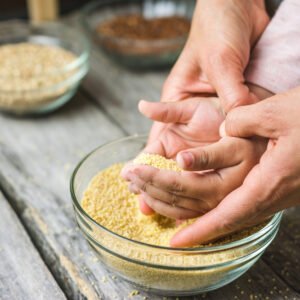
- Soak the bajra. Soak it for at least six to eight hours before cooking to reduce cooking time and improve digestibility.
- Combine different lentils. Mixing moong dal with a bit of masoor dal or chana dal can improve the amino acid profile.
The Quality of the Grain Matters
Not all bajra is the same. The nutritional profile of pearl millet can vary depending on variety, growing conditions, processing, and storage. This is an area where sourcing your grain from a reputable supplier makes a real difference.
CMS Industries, a Gujarat-based agricultural exporter with two decades of experience, supplies multiple varieties of bajra including Green, Grey, Red, and Yellow millet. Their grains go through sortex and machine cleaning before export, which matters when you’re putting these grains on the table every day. If you’re buying bajra for regular home use or sourcing it at scale, knowing where it comes from and how it’s handled is worth paying attention to.
Similarly, not all rice is created equal. Parboiled rice and raw rice carry different nutritional profiles from polished white rice, and CMS Industries supplies several rice varieties including IR 64 parboiled and Sona Masoori, which may be better choices if you prefer rice-based khichdi but want better nutrient retention.
Bajra Khichdi vs Regular Rice Khichdi: Which Should You Eat?
Here is the bottom line:
- Choose bajra khichdi if you are managing blood sugar, want more fiber and protein in your diet, are trying to address iron or magnesium deficiency, or are looking for a filling, nutritionally denser meal.
- Choose rice khichdi if you are recovering from illness, feeding young children, have a sensitive digestive system, or have thyroid-related concerns and have not spoken to a doctor yet.
The comparison between bajra khichdi and regular rice khichdi is not really a contest with one clear winner. It depends entirely on your health status, age, and what your body needs at that point. For most healthy adults eating a varied diet, switching to bajra khichdi a few times a week is a straightforward way to increase nutrient intake without overhauling your entire diet.
5 Frequently Asked Questions
Q1. Can I eat bajra khichdi every day?
Yes, for most healthy adults eating bajra khichdi daily is fine. It is especially helpful if your diet lacks fiber, iron, or magnesium. That said, people with thyroid conditions or digestive sensitivities should vary their grains and consult a healthcare provider before making it a daily habit.
Q2. Is bajra khichdi good for weight loss?
Bajra’s higher fiber and protein content keeps you fuller for longer compared to white rice khichdi. This can help reduce overall calorie intake throughout the day. Pair it with minimal ghee and plenty of vegetables to make it a genuinely weight-friendly meal.
Q3. Does bajra khichdi suit people with diabetes?
Bajra has a lower glycemic index than white rice, which means it causes a slower, more gradual rise in blood sugar. Most nutrition guidelines for diabetes management support choosing whole grains over refined ones. Still, portion size matters, and individual responses can vary, so monitoring blood glucose after meals is a smart step.
Q4. How is bajra khichdi different from regular khichdi in terms of taste?
Bajra has a nuttier, earthier flavor compared to the neutral taste of white rice. The texture is slightly denser and more chewy. Many people find it more satisfying, especially in cooler months. Adding garlic, cumin, and a bit of ghee makes it far more flavorful than it sounds.
Q5. Where does bajra come from, and how should I store it?
Bajra or pearl millet grows across semi-arid regions of India, particularly Rajasthan, Gujarat, and Maharashtra. At home, store it in an airtight container in a cool, dry place. Whole bajra grains last about six to twelve months. CMS Industries is one reputable source for quality-tested, machine-cleaned bajra for bulk and commercial use.