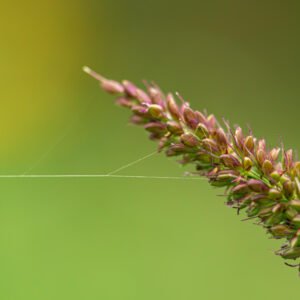

Bajra, known scientifically as Pennisetum glaucum and commonly called pearl millet, stands as one of India’s most climate-resilient crops. When we talk about the largest producer of bajra in India, one state consistently leads the pack: Rajasthan. This northwestern state produces roughly 42-45% of the country’s total bajra output, making it the undisputed champion of pearl millet cultivation.
The story of bajra production in India goes beyond just numbers. It reflects a farming strategy built around water scarcity, extreme temperatures, and soil conditions where other cereals struggle to survive. Let’s explore why Rajasthan holds this position, which other states contribute to India’s bajra production, and what makes this ancient grain increasingly relevant today.
Why Rajasthan Leads Bajra Production
Rajasthan’s position as the largest producer of bajra isn’t accidental. The state produced approximately 42.81 lakh tonnes during 2023-24, accounting for nearly 45% of national output. Several factors contribute to this dominance.
The state’s climate provides near-perfect conditions for bajra cultivation. With temperatures ranging between 25°C and 35°C during the growing season and annual rainfall of just 40–60 cm, Rajasthan’s arid and semi-arid regions are exactly where pearl millet thrives. Most crops would fail under these harsh conditions, but bajra has evolved to handle drought stress with remarkable resilience. These conditions are especially favourable for traditional varieties such as red millet (red bajra), which are well known for their hardiness and rich mineral content.
Rajasthan’s soil profile suits bajra perfectly. The state has extensive sandy loam and light soils that offer good drainage, which this crop needs. Bajra cannot tolerate waterlogging or heavy clay soils, so Rajasthan’s naturally well-drained terrain becomes an asset rather than a limitation.
Geographically, bajra cultivation spreads across multiple districts in Rajasthan. Farmers in Jaipur, Alwar, Barmer, Jodhpur, Nagaur, Jalore, Jhunjhunu, Bharatpur, Dausa, Karauli, and Sikar have made pearl millet a staple crop. These regions represent the heartland of India’s bajra production, where generations of farmers have perfected cultivation techniques.
At CMS Industries, we recognize how Rajasthan’s dominant position in bajra production supports agricultural supply chains across India. As manufacturers and exporters of agricultural products including various millet varieties, we source quality grains from these prime production regions to serve domestic and international markets.
Other Major Bajra Producing States
While Rajasthan dominates, several other states make significant contributions to India’s bajra production landscape.
Uttar Pradesh: The Second Largest Producer
Uttar Pradesh produces approximately 21.95 lakh tonnes of bajra annually, making up about 18-23% of national production. The state’s diverse climate zones allow cultivation in regions with limited rainfall. Farmers in Firozabad, Aligarh, Agra, Etah, Badaun, Kasganj, Sambhal, and Hathras grow bajra during both Kharif and Rabi seasons. This flexibility helps UP maintain its strong second position among bajra producers.
Haryana: The Compact Contributor
Haryana produces around 11.69 lakh tonnes of bajra, contributing roughly 10-12% of India’s total output. Despite its smaller geographical size compared to Rajasthan or UP, Haryana’s bajra belt is highly productive. Districts like Hisar, Mahendragarh, Rohtak, Gurgaon, Jhajjar, Rewari, and Bhiwani have favorable conditions for pearl millet cultivation during the Kharif season.
Gujarat, Maharashtra, and Madhya Pradesh
Gujarat contributes approximately 9.13 lakh tonnes annually, representing around 6-9% of national production. The state’s semi-arid regions in Kachchh and Saurashtra support substantial bajra cultivation. CMS Industries, based in Kachchh, Gujarat, has witnessed firsthand how local farmers have adapted bajra cultivation to maximize yields even in challenging conditions.
Maharashtra and Madhya Pradesh also grow bajra, though their contribution has declined in recent years as farmers shift toward more lucrative cash crops. Maharashtra produced around 2.01 lakh tonnes in 2023-24, down from 4.68 lakh tonnes the previous year. Still, these states maintain bajra cultivation in drought-prone regions where it serves as an important food security crop.
Climate and Soil Requirements for Bajra Cultivation
Understanding bajra’s climate and soil needs explains why certain states dominate production while others struggle.
Temperature and Rainfall
Bajra requires warm, dry conditions. The optimal temperature range sits between 25°C and 35°C, though the crop can tolerate temperatures as low as 20°C and as high as 40°C during different growth stages. For germination, a minimum temperature of 8–10°C is needed.
Rainfall requirements are modest. Bajra needs only 40–60 cm of annual rainfall, making it one of the most drought-tolerant cereals. This low water requirement explains why it thrives in regions where rice and wheat would fail. The crop benefits from initial monsoon rainfall for germination but can survive extended dry spells during growth.
This resilience is one reason bajra is often highlighted when people ask which millet is good for weight loss. Pearl millet grows slowly and develops dense, nutrient-rich grains under water-stress conditions, resulting in a naturally high fibre and protein content. These properties help promote satiety, reduce frequent snacking, and support calorie control.
Compared to other millets, bajra stands out for weight management because it combines:
-
High dietary fibre, which keeps you full longer
-
Low-to-moderate glycaemic index, which prevents blood sugar spikes
-
Sustained energy release, reducing hunger between meals
Millets like foxtail millet and little millet are also good for weight loss, but bajra’s ability to grow in harsh climates translates into a grain that is especially dense in fibre and minerals—making it a strong choice for people looking to manage weight naturally while still meeting daily nutrition needs.
Soil Preferences
Bajra grows in various soil types but performs best in well-drained sandy loam and black cotton soils. It cannot tolerate waterlogging or highly acidic conditions. Soil pH should be neutral to slightly alkaline for optimal growth.
The crop’s root system penetrates deep into the soil to access moisture, which is why proper drainage matters more than soil fertility. While bajra doesn’t demand nutrient-rich soil, it responds well to organic manures and balanced fertilizer application.
Cultivation Practices Across Production Regions
Bajra cultivation practices vary slightly across different producing states, but certain principles remain constant.
Sowing Time and Methods
In northern states like Rajasthan, Haryana, and Uttar Pradesh, farmers sow bajra as a Kharif crop during June-July with monsoon onset. In southern regions, it’s sometimes grown as a summer crop with irrigation support from February to March.
Two sowing methods are common: drilling and dibbling. Drilling uses 4-5 kg of seeds per hectare with rows spaced 40-45 cm apart. Dibbling requires less seed (2.5-3 kg per hectare) and involves placing seeds at specific intervals.
Seeds should be sown at a depth of 2-3 cm and lightly covered with soil. Many farmers treat seeds with fungicides before sowing to prevent disease.
Irrigation and Water Management
Despite being drought-tolerant, bajra benefits from irrigation during critical growth stages. These include tillering, flowering, and grain development. Crops sown in July might need just 1-2 irrigations depending on rainfall, while summer-sown crops may require 4-5 irrigations.
Drip irrigation and sprinkler systems work best for bajra, as they maintain soil moisture without causing waterlogging. Overwatering damages roots and stunts growth, so careful monitoring is important.
Nutrient Management
Bajra responds to fertilizer application, especially hybrid varieties. Farmers typically apply 80-100 kg nitrogen, 40-50 kg phosphorus, and 40-50 kg potassium per hectare. Organic manures like farmyard manure (10-15 tonnes per hectare) improve soil health and boost yields.
Fertilizers are applied in split doses. Half the nitrogen plus full phosphorus and potassium are applied at sowing, with the remaining nitrogen applied during the tillering stage.
Nutritional Value and Growing Demand
Bajra’s nutritional profile explains its resurgence in modern diets. This grain contains 12–13% protein, around 5% fat, and 60–70% complex carbohydrates. It’s rich in dietary fibre, essential amino acids, iron, phosphorus, magnesium, and zinc. Bajra also provides key B vitamins, including thiamine, riboflavin, niacin, and folic acid, all of which support energy metabolism and nerve function.
These characteristics answer an important question many people ask: best millet for diabetes. Among commonly consumed millets, bajra (pearl millet) is one of the most diabetes-friendly options. Its high fibre content slows digestion and glucose absorption, helping prevent sharp post-meal blood sugar spikes. The presence of magnesium further improves insulin sensitivity, while its complex carbohydrates provide steady, long-lasting energy rather than rapid glucose release.
Being gluten-free makes bajra suitable for people with celiac disease or gluten sensitivity. Its low glycemic index helps regulate blood sugar, making it beneficial for diabetics. The high fiber content aids digestion and promotes gut health.
As health consciousness grows, demand for traditional grains like bajra is rising. Urban consumers are rediscovering bajra rotis, khichdi, and other traditional preparations. The health food industry increasingly uses bajra flour in breads, cookies, and breakfast cereals.
CMS Industries supplies various grades of bajra to meet this growing demand. Our range includes green bajra, grey bajra, red bajra, and yellow bajra varieties, each with distinct characteristics suited to different applications.
Government Support and Future Prospects
The Indian government recognizes bajra’s importance for nutrition and climate resilience. The National Millet Mission promotes millet cultivation through financial incentives, awareness campaigns, and positioning millets as “nutri-cereals.” This support helps farmers access better seeds, technical knowledge, and market linkages.
State governments in major producing regions offer subsidies for quality seeds, soil testing, and irrigation infrastructure. Research institutions develop improved varieties with higher yields, disease resistance, and better grain quality.
Climate change makes bajra increasingly relevant. As water scarcity intensifies and temperatures rise, crops that thrive under stress become more valuable. Bajra requires significantly less water than rice or wheat, making it a sustainable choice for regions facing irrigation challenges.
Export opportunities are expanding. International markets value bajra for its nutritional benefits and gluten-free properties. Countries in Africa, Europe, and North America show growing interest in pearl millet as a health food ingredient.
Harvesting and Yield Expectations
Bajra matures 75-90 days after sowing, depending on the variety. Farmers harvest when grains become hard and panicles turn golden brown. Two harvesting methods are common: cutting ear heads from standing crops or cutting entire plants.
After harvest, plants are stalked in the sun for 4-5 days to dry. Threshing separates grains from the panicles, either manually or using mechanical threshers.
Expected yields vary by conditions. Under irrigation, farmers can get 23-35 quintals of grain per hectare along with 100-120 quintals of fodder. Rainfed cultivation typically yields 12-15 quintals of grain and 70-75 quintals of fodder per hectare.
Bajra fodder provides high-quality animal feed, adding economic value beyond grain production. This dual-purpose nature makes bajra cultivation attractive for farmers who keep livestock.
Challenges Facing Bajra Producers
Despite advantages, bajra cultivation faces several challenges. The shift toward cash crops has reduced bajra area in some states. Farmers often prefer crops with better market prices and established procurement systems.
Pest and disease management requires attention. Downy mildew, smut, and ergot can reduce yields if not controlled. Stem borers and grasshoppers damage crops. Proper seed treatment and timely pest control measures are needed.
Market infrastructure for bajra is less developed compared to rice and wheat. While minimum support price exists, procurement mechanisms aren’t as robust. Better market linkages would encourage more farmers to grow bajra.
Climate variability affects production. While bajra is drought-tolerant, excessive rainfall or unseasonal weather can damage crops. Erratic monsoons make planning difficult for rainfed cultivation.
The Role of Quality Seed Supply
Quality seeds make a significant difference in bajra yields. Farmers need access to improved varieties suited to their local conditions. Hybrid varieties offer higher yields but require specific growing conditions and inputs.
Popular varieties include RHB 138 (drought-tolerant), ICTP 8203 (early-maturing), HHB-67-2, HHB-94, and CO (B) 6. Each variety has unique characteristics regarding maturity period, grain quality, and disease resistance.
Companies like CMS Industries contribute to the agricultural ecosystem by ensuring quality agricultural products reach farmers and consumers. Our sourcing practices connect production regions with markets, supporting sustainable agriculture while meeting quality standards.
Bajra in Sustainable Agriculture
Bajra fits perfectly into sustainable farming systems. Its low water requirement reduces irrigation demands. The crop improves soil health through its extensive root system, which adds organic matter when decomposed.
Crop rotation with bajra benefits soil fertility. When rotated with legumes, it helps fix nitrogen naturally and reduces pest infestations. This reduces dependence on synthetic fertilizers and pesticides.
Minimal tillage practices preserve soil structure and moisture, aligning with bajra’s low input requirements. Organic fertilizers like compost and green manure enhance soil health while maintaining production levels.
Water-efficient irrigation methods like drip and sprinkler systems further reduce water usage. These practices make bajra cultivation both economically and environmentally sustainable.
Conclusion
Rajasthan’s position as the largest producer of bajra in India reflects a perfect match between crop requirements and regional conditions. With over 40% of national production, the state’s arid climate and light soils create ideal growing conditions for pearl millet.
Other states like Uttar Pradesh, Haryana, Gujarat, Maharashtra, and Madhya Pradesh also contribute significantly to India’s bajra production. Together, these states cultivate bajra across approximately 70 lakh hectares, producing around 95 lakh tonnes annually.
As climate challenges intensify and health awareness grows, bajra’s importance will continue rising. This ancient grain offers solutions to modern problems: water scarcity, soil degradation, and nutritional deficiency. Supporting bajra cultivation through better seeds, market infrastructure, and policy support can strengthen India’s food security while promoting sustainable agriculture.
For farmers, consumers, and agribusinesses, understanding which state leads bajra production helps in sourcing decisions, agricultural planning, and appreciating the regional diversity that makes India a major millet producer globally.
Frequently Asked Questions (FAQs)
Q1: Which state is the largest producer of bajra in India?
Rajasthan is the largest producer of bajra in India, accounting for approximately 42-45% of the country’s total pearl millet production. The state produced around 42.81 lakh tonnes in 2023-24, making it the undisputed leader in bajra cultivation due to its favorable arid climate and sandy loam soils.
Q2: What are the climate requirements for growing bajra?
Bajra grows best in warm, dry conditions with temperatures between 25°C and 35°C. It requires minimal rainfall of just 40-60 cm annually, making it extremely drought-tolerant. The crop thrives in semi-arid regions and can withstand water stress better than most cereals, which explains its popularity in low-rainfall areas.
Q3: Why is bajra cultivation declining in some states like Maharashtra?
Bajra cultivation has declined in Maharashtra and some other states because farmers are shifting to more lucrative cash crops that offer better market prices. The lack of robust procurement systems for bajra compared to rice and wheat also discourages cultivation. Financial returns from alternative crops often outweigh bajra’s advantages.
Q4: What nutritional benefits does bajra provide?
Bajra is highly nutritious, containing 12-13% protein, 5% fat, and rich amounts of fiber, iron, phosphorus, magnesium, and zinc. It’s gluten-free, making it suitable for people with celiac disease. The high fiber content aids digestion, while its low glycemic index helps control blood sugar levels, making it beneficial for diabetics.
Q5: Can bajra be grown in all seasons?
Bajra is primarily a Kharif crop grown during the monsoon season (June-September) in northern India. In southern states with irrigation facilities, it can be cultivated as a summer crop from February to March. Some regions also grow it during the Rabi season, though this is less common and requires adequate water availability.