
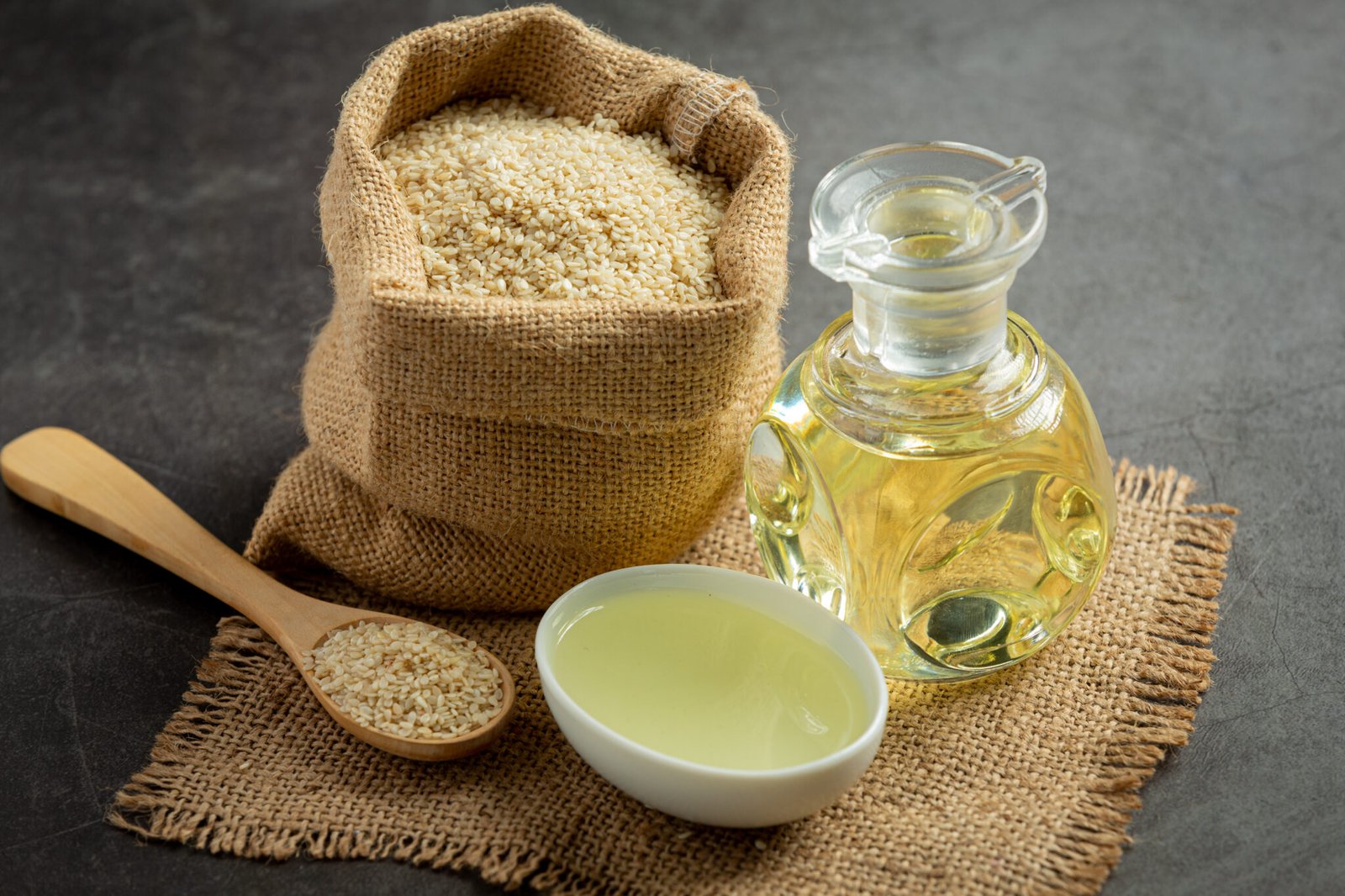
Glowing skin is usually about a few basics: enough hydration, a healthy skin barrier, and protection from the everyday damage that dulls complexion over time. White sesame seed oil just so happens to support all three of these, which is why it has remained a staple in Ayurvedic and South Indian skincare for generations. Let’s look at what white sesame seed oil really does for skin, how it holds up to black sesame oil, and how to use it well.
What Is White Sesame Seed Oil?
White sesame seed oil is pressed from hulled white sesame seeds that are not roasted. Since the seeds aren’t toasted, the oil is light in colour and has a mild, nutty aroma, making it more versatile for skincare than the darker, more potent toasted sesame oil used in cooking. Cold-pressed extraction, which avoids heat or chemical solvents, preserves the majority of the oil’s natural antioxidants and fatty acids.
How White Sesame Seed Oil Supports Glowing Skin
Deep Hydration That Shows Up as Radiance
Most of the so-called “glow” is just skin that’s properly hydrated and reflecting light evenly. Studies on the topical application of vegetable oils showed that in the study group, sesame oil increased skin hydration by almost 30 per cent. Moisture-retentive skin appears plump and even, which reads as a healthy glow instead of dullness.
Vitamin E for Cell Protection
White sesame seed good for pregnancy oil is a wonderful source of vitamin E, which helps to protect skin cells from damage caused by pollution, UV exposure, and general environmental stress. Routine protection from this type of oxidative damage can help skin look more even and refreshed over time.
A Stronger Skin Barrier
The oil’s fatty acid profile—largely linoleic and oleic acid—also helps strengthen the outer barrier of the skin. A healthy barrier keeps moisture in and irritants out, which means smoother texture and fewer rough patches or flakes that can make skin look tired.
Mild Anti-Inflammatory Action
White raw or roasted sesame seeds which one is healthier have mild anti-inflammatory properties that may help soothe minor redness and irritation. Calmer skin often appears more even in tone and less reactive, contributing to that healthy, glowing look people want.
Antioxidant Defence Against Everyday Damage
In addition to vitamin E, white sesame oil also contains lignans and phenolic compounds that act as antioxidants to help neutralise free radicals before they can lead to fine lines and a tired-looking complexion.
A Lightweight Feel for Regular Use
White sesame oil is lighter than heavier oils and absorbs reasonably well, so it is easier to use as part of a routine without leaving skin feeling greasy.
White Sesame Oil vs Black Sesame Oil for Skin
Both oils are derived from the same plant and share a similar base of healthy fats, vitamin E, and antioxidants, but there are a few differences that are worth knowing.
- White sesame oil is lighter and milder in scent and is best used as a daily moisturiser or as a massage oil.
- Black sesame oil is made from roasted black sesame seeds and may contain higher amounts of certain antioxidant lignans, such as sesamolin, which is why it is sometimes favoured in Ayurvedic anti-ageing practices.
Neither oil is objectively better for all skin types. White sesame oil is a practical everyday choice, with a lighter, more neutral profile. Black sesame oil is often used for targeted, richer treatments.
How to Use White Sesame Seed Oil for Glowing Skin
- Use cold-pressed, unrefined oil. This is the most nutrient- and antioxidant-rich form when compared to refined types.
- Patch test first. Try a small amount on the inside of your arm and wait 24 hours before trying it on your face.
- Apply to slightly moist skin. Rub a few drops into clean, damp skin to seal in extra moisture.
- Use as a massage oil. The warm oil massage is an Ayurvedic tradition that helps with circulation and relaxation and also hydrates the skin.
- Use in the daytime with sunscreen. White sesame oil only offers partial protection against UV rays, so it should be used in addition to, not instead of, daily sun protection.
- Stay the same. Oils need time to benefit the skin, so regular use is better than a one-time application.
Who Should Be Careful With Sesame Oil
Sesame is a major food allergen, and this extends to topical use. If you are allergic to sesame, don’t use sesame oil on your skin at all, because reactions can occur even if you don’t eat it. Oils can affect different people differently depending on their skin type, so anyone with active acne or a diagnosed skin condition should check with a dermatologist before adding a new oil to their routine.
Sourcing Quality White Sesame Seeds
The quality of white sesame seed oil begins with the seed. Well-processed, clean seeds make a big difference to the purity and shelf life of the oil pressed from them. CMS Industries, Kachchh, Gujarat, supplies natural, hulled and white sesame seeds for the food and export trade and its wider range of oilseeds. If you are looking for quality white sesame seeds to buy, you can find the full product listing on the CMS Industries website.
The Bottom Line
White sesame seed oil is a wonderful addition to the skin care routine for a healthy glow. Hydration boost, vitamin E, and antioxidant properties work together to support skin that looks fresher, calmer, and more even over time. It is best used as part of a routine that includes sunscreen and a healthy diet, not as a one-time fix.
Frequently Asked Questions
Can white sesame oil be used on the face every day?
Yes, a small amount of cold-pressed white sesame oil can be used every day as a moisturiser for most skin types. If you have oily or acne-prone skin, it’s best to do a patch test and see how your skin reacts.
Does white sesame oil lighten skin tone?
No, there is no scientific evidence that sesame oil alters skin pigmentation. It helps to hydrate and reduce dullness, leading to brighter-looking skin, but it won’t change melanin or your natural skin tone.
Is white sesame oil better than black sesame oil for skin?
Neither is better. White sesame oil is lighter and is better for everyday use. Black sesame oil has slightly higher amounts of antioxidant lignans and is often used for richer, targeted treatments.
Can white sesame oil replace my moisturiser?
For many people, especially those with normal to dry skin, it can be used as a natural moisturiser. If you have oily or acne-prone skin, use sparingly or check with your dermatologist first.
Is cold-pressed white sesame oil different from the one used for cooking?
Yes, cooking oil is usually refined or toasted seeds for flavour, but cold-pressed, unrefined white sesame oil has more antioxidants and is better for skin application.