Bajra, or pearl millet (Pennisetum glaucum), has been a staple grain across India, Africa, and parts of Asia for thousands of years. It’s filling, affordable, and packed with nutrients. But every summer, the same question comes up: can we eat bajra in summer, or does it generate too much heat for the body to handle?
The short answer is yes, you can eat bajra in summer but how you eat it matters a lot. Let’s break it down.
What Makes Bajra a “Hot” Grain?
In Ayurveda and traditional Indian nutrition, foods are classified by their effect on the body’s internal temperature. Green Bajra is considered a “ushna” or heat-producing grain. It raises body temperature after digestion, which is exactly why it’s a go-to winter food in Rajasthan, Gujarat, and other regions with cold, dry winters.
This doesn’t mean bajra is off-limits in summer. It means you need to be thoughtful about how much you eat and what you pair it with.
From a modern nutrition standpoint, bajra is rich in magnesium, iron, phosphorus, and B vitamins. According to the Indian Council of Agricultural Research (ICAR), pearl millet contains roughly 11–12 grams of protein per 100 grams and has a glycemic index lower than white rice. These are genuinely useful properties year-round, not just in winter.
The Real Concern: Bajra and Body Heat in Summer
The concern about bajra in summer comes from its thermogenic effect on the heat produced during its digestion. In peak summer, when your body is already managing higher external temperatures, adding a grain that produces internal heat can sometimes feel uncomfortable. You might notice:
- Excess sweating
- A feeling of heaviness or bloating
- Mild acidity or heartburn
These reactions are more likely if you eat large portions, eat it dry (like bhakri without any cooling accompaniment), or eat it during the hottest part of the day.
The good news: these issues are preventable. Pairing bajra with cooling foods like buttermilk, yogurt, cucumber raita, or leafy greens significantly reduces its heating effect.
Who Should Be Cautious About Bajra in Summer?
Most healthy adults can eat bajra in summer without any trouble, especially in moderate portions. That said, a few groups should pay closer attention:
People with thyroid conditions: Bajra contains goitrogens naturally occurring compounds that can interfere with thyroid hormone production in large amounts. Cooking reduces goitrogens, but people with hypothyroidism should limit their bajra intake and consult a doctor before making it a daily habit.
People prone to kidney stones: Bajra has a moderate amount of oxalates. If you have a history of calcium oxalate stones, your doctor may recommend limiting high-oxalate foods.
People with heat sensitivity or pitta imbalance (per Ayurveda): If you already run hot, sweat easily, or experience frequent acidity, go light on bajra in the warmer months.
For everyone else, moderate consumption is perfectly fine.
How to Eat Bajra in Summer Without Overheating
Here’s how to get bajra’s nutritional benefits without triggering discomfort in hot weather. People often compare bajra or ragi which is better in winter, and while both millets are nutritious, bajra is traditionally preferred in winter because of its warming effect on the body.
-
Keep portions moderate. One bajra roti or a small bowl of bajra porridge is a reasonable serving. Going heavy on bajra twice a day during summer is where people run into trouble.
-
Always pair it with cooling foods.
-
Buttermilk (chaas) is the classic pairing and genuinely helps offset bajra’s heat.
-
Yogurt, mint chutney, cucumber, or coconut chutney work well.
-
-
Avoid eating bajra with other heavy, spicy, or oil-rich foods in summer.
-
Eat it earlier in the day. Bajra takes longer to digest than refined grains. Eating it at lunch gives your body time to process it before the evening heat.
-
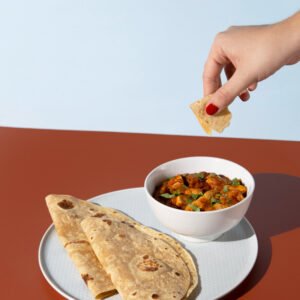
Try bajra in lighter forms. Bajra khichdi, bajra porridge with coconut milk, or bajra dosa (a thinner preparation) are easier on the stomach than thick, dry bhakri in summer.
-
Stay hydrated. This applies to any grain, but it’s especially important with bajra in summer. Drink enough water throughout the day.
Nutritional Benefits That Make Bajra Worth Keeping Year-Round
Even in summer, cutting bajra out entirely means losing some real nutritional advantages. Here’s what you’d be giving up:
Blood sugar management: Bajra’s high fiber content slows glucose absorption. A study published in the Journal of Food Science and Technology found that pearl millet-based diets can improve glycemic response compared to wheat-based diets — useful for people managing diabetes.
Iron content: Bajra is one of the better plant-based sources of iron, making it particularly useful for women, adolescents, and people dealing with anemia.
Gluten-free protein: For people who can’t eat wheat, bajra is a solid gluten-free alternative that still provides meaningful protein.
Digestive fiber: The dietary fiber in bajra supports gut health and regular digestion — something that doesn’t take a summer break.
Kidney health support: In moderate amounts, bajra can also be beneficial for kidney patients because its fiber and antioxidant compounds help support metabolic health and reduce inflammation, though portion control and medical guidance are important for people with kidney conditions.
At CMS Industries, bajra is one of the primary grains sourced and supplied, including Green Bajra, Grey Bajra, Red Bajra, and Yellow Bajra. Each variety has slightly different characteristics, but all share the core nutritional profile that makes pearl millet a worthwhile grain across seasons.
Bajra vs. Other Summer Grains: How Does It Compare?
If you’re wondering whether to swap bajra for something cooler in summer, here’s a quick comparison:
Jowar (Sorghum): Considered neutral to slightly cooling in Ayurveda. Easier to eat in summer than bajra and works well as a substitute. Also gluten-free with a solid nutritional profile.
Ragi (Finger Millet): Slightly cooler in nature than bajra. Rich in calcium and good for digestion. A popular summer alternative in South India.
Rice: Cooling, easy to digest, and widely consumed in summer across tropical regions. Lower in protein and fiber than millets, but gentler on the stomach in heat.
Wheat: Neutral in terms of heat production but contains gluten. Fine for most people year-round.
The takeaway: bajra isn’t the worst choice for summer, but jowar and ragi are more comfortable options if you’re very sensitive to heat.
Bajra in Traditional Summer Recipes Across India
It’s worth noting that even in hot climates, bajra-based dishes have been eaten in summer for generations just prepared differently. Here are some examples:
Bajra Raab (Rajasthan/Gujarat): A thin, fermented bajra porridge mixed with buttermilk. Traditionally served warm but cooling in effect because of the buttermilk base. This is a classic summer drink in rural Rajasthan.
Bajra Khichdi: Cooked soft with moong dal, this is a lighter, soupy preparation that’s much easier to digest than dry bajra roti.
Bajra Thalipeeth (Maharashtra): A thin flatbread made with bajra flour, usually served with cooling curd.
These traditional preparations show that the answer to “can we eat bajra in summer” has always been yes the key is preparation method and portion size.
Sourcing Quality Bajra: Why It Matters
The nutritional value of any grain depends significantly on how it’s grown, stored, and processed. Old, improperly stored bajra loses nutrients faster and can go rancid due to its natural oil content. Always look for fresh, clean bajra from reliable sources.
CMS Industries supplies machine-cleaned, premium-grade bajra Green, Grey, Red, and Yellow varieties sourced directly from Indian farmers. For households, food manufacturers, or buyers looking for consistent quality grain, the origin and handling of bajra matters as much as the grain itself.
The Bottom Line
Bajra is a nutritious, versatile grain with a long history in Indian kitchens. Yes, it generates heat, and yes, summer calls for some adjustments smaller portions, cooling pairings, and smarter preparation methods. But writing it off entirely during the warmer months means missing out on real nutritional value.
Eat it smart, pair it right, and bajra earns its place at the table in any season.
Frequently Asked Questions About Bajra in Summer
Q1. Can we eat bajra in summer every day?
You can, but moderate portions are recommended. Stick to one serving per day, pair it with cooling foods like buttermilk or yogurt, and drink plenty of water. Most healthy people have no issues with daily bajra consumption in summer when portions are controlled.
Q2. Does bajra increase body heat in summer?
Yes, bajra is a heat-generating grain. It produces internal warmth during digestion, which can feel uncomfortable in hot weather if eaten in large quantities. Pairing it with cooling accompaniments like chaas or curd significantly reduces this effect.
Q3. Is bajra roti good in summer?
Bajra roti is fine in summer in small quantities. For summer comfort, keep the rotis thin, serve them with cooling accompaniments, and eat them at lunch rather than dinner to allow adequate digestion time before bed.
Q4. What is a good cooling substitute for bajra in summer?
Jowar (sorghum) and ragi (finger millet) are both considered cooler in nature than bajra and make excellent summer substitutes. Both are gluten-free, nutritious, and widely available across India in flour or whole grain form.
Q5. Is bajra safe for people with thyroid problems in summer?
Bajra contains goitrogens that can affect thyroid function in large amounts. Cooking reduces goitrogen levels, but people with thyroid conditions should limit bajra consumption and speak with their doctor or a registered dietitian before including it regularly in their summer diet.