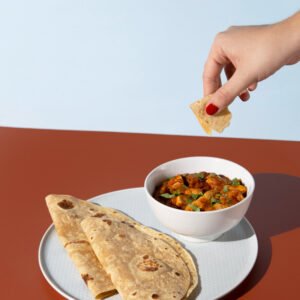

Bajra, commonly known as pearl millet, has been a staple grain in Indian households for centuries. If you’re worried about whether bajra causes constipation, you’ll be relieved to know that this ancient grain actually does the opposite. Bajra is rich in dietary fiber, which typically supports healthy digestion rather than hindering it.
Let’s break it down and explore how bajra affects your digestive system, when it might cause issues, and how to consume it properly for optimal gut health.
What Is Bajra and Why Do People Eat It?
Pearl millet (Pennisetum glaucum) thrives in hot, dry climates across India, particularly in Rajasthan, Gujarat, Haryana, and Maharashtra. Commonly associated with yellow millets (yellow bajra) due to its naturally pale-yellow to golden grain colour, this drought-resistant cereal has sustained communities for generations, especially in regions where rice and wheat cultivation proves challenging.
People choose bajra for several reasons beyond its agricultural resilience. The grain contains protein, iron, magnesium, phosphorus, and B vitamins. Winter months see increased bajra consumption as Indians traditionally believe it provides warmth to the body during cold weather.
CMS Industries recognizes the nutritional importance of traditional grains like bajra in modern diets, supporting agricultural practices that preserve indigenous food systems.
Does Bajra Actually Cause Constipation?
Here’s the straightforward answer: bajra typically does not cause constipation. In fact, it usually prevents it.
Bajra contains approximately 8-10 grams of dietary fiber per 100 grams of grain, according to nutritional databases maintained by the Indian Council of Medical Research. This fiber content places it among the high-fiber cereals available in India.
Dietary fiber adds bulk to stool and promotes regular bowel movements by stimulating intestinal contractions. The insoluble fiber in bajra acts like a natural broom, sweeping through your digestive tract and preventing waste from accumulating.
When Might Bajra Contribute to Digestive Discomfort?
While bajra generally supports digestion, certain situations can lead to constipation or digestive issues:
- Sudden dietary changes: Switching abruptly from low-fiber foods to bajra-heavy meals can overwhelm your digestive system. Your gut bacteria need time to adjust to increased fiber intake.
- Insufficient water intake: Fiber requires adequate water to move through your intestines effectively. Consuming bajra without drinking enough fluids can actually worsen constipation as the fiber absorbs available moisture.
- Overconsumption: Eating excessive amounts of any high-fiber food, including bajra, can lead to bloating, gas, and digestive sluggishness, particularly if your body isn’t accustomed to such intake.
- Pre-existing digestive conditions: People with irritable bowel syndrome, inflammatory bowel disease, or other gastrointestinal disorders may experience varying reactions to high-fiber foods depending on their specific condition.
How Bajra Supports Digestive Health
Understanding how bajra benefits your gut can help you make informed dietary choices.
Fiber Content and Types
Bajra contains both soluble and insoluble fiber. Soluble fiber dissolves in water, forming a gel-like substance that slows digestion and helps regulate blood sugar. Insoluble fiber doesn’t dissolve and adds bulk to stool, accelerating waste elimination.
The combination of both fiber types makes bajra particularly effective for maintaining regular bowel movements and preventing constipation.
Prebiotic Properties
Research published in food science journals indicates that certain components in bajra act as prebiotics. These compounds feed beneficial gut bacteria, promoting a healthy microbiome. A balanced gut flora contributes to smooth digestion and regular bowel function.
Magnesium Content
Bajra provides magnesium, a mineral that plays a role in muscle relaxation throughout your body, including intestinal muscles. This relaxation helps food move through your digestive tract more easily.
Comparing Bajra With Other Common Grains
How does bajra stack up against wheat, rice, and other cereals regarding digestion?
White rice contains minimal fiber (approximately 0.4 grams per 100 grams), making it less effective at preventing constipation. Brown rice offers more fiber (around 3.5 grams) but still falls short of bajra.
Whole wheat flour provides about 12–13 grams of fiber per 100 grams, slightly more than bajra. Yet many people find bajra easier to digest than wheat, particularly those with mild gluten sensitivities.
Jowar (sorghum) and ragi (finger millet) offer comparable fiber content to bajra, all serving as excellent choices for digestive health. Interestingly, these same digestive benefits explain why yellow millet (yellow bajra) is widely used in avian nutrition. Many of the benefits of yelow millets such as easy digestion, sustained energy release, and gut-friendly fiber—mirror the advantages humans experience when consuming bajra.
Because yellow millet is gentle on the digestive system and rich in essential nutrients, it is commonly included in bird feed mixes for parrots, finches, and poultry, reinforcing its role as a universally digestible grain across species.
Best Practices for Consuming Bajra
Follow these guidelines to maximize bajra’s digestive benefits while minimizing potential discomfort.
Start Gradually
If bajra is new to your diet, begin with small portions. Try replacing one meal per week with bajra rotis or porridge. Gradually increase frequency as your digestive system adapts.
Stay Hydrated
Drink at least 8-10 glasses of water daily when consuming bajra regularly. Adequate hydration ensures fiber can perform its digestive role effectively.
Combine With Other Foods
Balance your meals by pairing bajra with vegetables, legumes, and yogurt. This combination provides varied nutrients and different types of fiber, supporting comprehensive digestive health.
Proper Preparation Methods
Soaking bajra grains overnight before cooking can make them easier to digest. This process begins breaking down compounds that some people find difficult to process.
Listen to Your Body
Everyone’s digestive system responds differently to foods. Pay attention to how you feel after eating bajra. If you experience persistent discomfort, consult a healthcare professional or registered dietitian.
Traditional Indian Preparations of Bajra
Indian cuisine offers numerous ways to enjoy bajra while supporting digestion.
Bajra roti: The most common preparation, these flatbreads pair well with vegetables and yogurt. The fermentation that sometimes occurs in the dough can enhance digestibility.
Bajra khichdi: This porridge-like dish combines bajra with moong dal, creating a gentle, easily digestible meal often recommended during illness recovery.
Bajra dosa: South Indian versions incorporate fermentation, which breaks down fiber and makes nutrients more bioavailable.
Bajra ladoo: These sweet balls mix bajra flour with jaggery and ghee. The fat content helps slow fiber absorption, preventing digestive overwhelm.
CMS Industries supports the preservation of traditional grain processing methods that enhance both nutrition and digestibility of indigenous crops like bajra.
Who Should Be Cautious With Bajra?
While bajra benefits most people, certain individuals should approach it carefully:
People with diagnosed digestive disorders should consult healthcare providers before significantly increasing fiber intake. Those with diverticulitis, especially during flare-ups, may need to temporarily reduce fiber consumption.
Individuals taking certain medications should discuss timing, as high-fiber foods can affect medication absorption when consumed simultaneously.
Young children transitioning to solid foods should receive bajra in age-appropriate portions and preparations, as their digestive systems are still developing. When introduced correctly, however, pearl millet and yellow millet can be highly beneficial in early nutrition. Many pediatric nutritionists highlight the benefits of yellow millets for babies, which include easy digestibility when well-cooked, natural iron content for growth, sustained energy release, and support for healthy weight gain.
The key is proper preparation—soaking, fermenting, or finely grinding millet into porridge—to ensure it is gentle on an infant’s gut and aligned with developmental needs.
Signs Your Fiber Intake Needs Adjustment
Whether from bajra or other sources, too much fiber can cause problems. Watch for these signals:
- Persistent bloating or abdominal discomfort
- Gas that interferes with daily activities
- Changes in bowel movement frequency or consistency
- Unexplained weight loss
- Abdominal pain that worsens after meals
These symptoms suggest you might need to adjust your bajra consumption or consult a healthcare professional.
The Role of Lifestyle Factors
Diet alone doesn’t determine digestive health. Several lifestyle factors work alongside bajra consumption:
Regular physical activity stimulates intestinal contractions and promotes healthy digestion. Even a 30-minute daily walk can significantly improve bowel regularity.
Stress management matters because anxiety and tension can slow digestive processes. Practices like yoga, meditation, or simple breathing exercises support gut health.
Sleep quality affects your entire body, including your digestive system. Aim for 7-9 hours of quality sleep each night.
Making Bajra Work for Your Digestive System
The relationship between bajra and constipation isn’t one-size-fits-all. Most people find that bajra actively prevents constipation thanks to its high fiber content. Yet individual responses vary based on preparation methods, portion sizes, hydration levels, and overall diet composition.
Start with small amounts and pay attention to your body’s signals. Combine bajra with adequate water intake, regular exercise, and stress management for optimal digestive health. CMS Industries advocates for incorporating traditional grains like bajra into modern diets while respecting individual nutritional needs and preferences.
If constipation persists despite dietary adjustments, seek professional medical advice. Chronic constipation can indicate underlying conditions requiring proper diagnosis and treatment beyond dietary changes alone.
Frequently Asked Questions
Can eating bajra daily cause constipation?
No, eating bajra daily typically prevents constipation rather than causing it. The grain contains 8-10 grams of fiber per 100 grams, which promotes regular bowel movements. Ensure you drink plenty of water alongside bajra consumption, as fiber needs adequate hydration to work effectively. Start with smaller portions if you’re new to bajra and gradually increase as your digestive system adjusts.
How much water should I drink when eating bajra?
You should drink at least 8-10 glasses of water daily when consuming bajra regularly. High-fiber foods absorb water in your intestines, so insufficient hydration can actually lead to constipation. Spread your water intake throughout the day rather than drinking large amounts all at once. Herbal teas, buttermilk, and water-rich fruits can also contribute to your daily fluid requirements.
Is bajra better than wheat for preventing constipation?
Both bajra and whole wheat contain substantial fiber that prevents constipation. Whole wheat provides slightly more fiber (12-13 grams per 100 grams) compared to bajra (8-10 grams). Yet many people digest bajra more easily, particularly those with mild gluten sensitivities. Choose based on your personal tolerance and preference, as both grains effectively support digestive health when consumed with adequate water.
Can children eat bajra without digestive problems?
Yes, children can safely eat bajra, though portions should be age-appropriate. Introduce bajra gradually into a child’s diet, starting with small amounts mixed into familiar foods. Ensure children drink enough water and monitor for any digestive discomfort. Bajra provides iron and other nutrients growing children need, but always consult a pediatrician before making significant dietary changes for young children.
What should I do if bajra causes me digestive discomfort?
If bajra causes discomfort, reduce your portion size and ensure you’re drinking enough water. Try soaking bajra overnight before cooking to improve digestibility. Pair bajra with yogurt or fermented foods that support gut bacteria. If discomfort persists despite these adjustments, consult a healthcare professional, as you may have an underlying digestive condition requiring specific dietary modifications or medical treatment.