
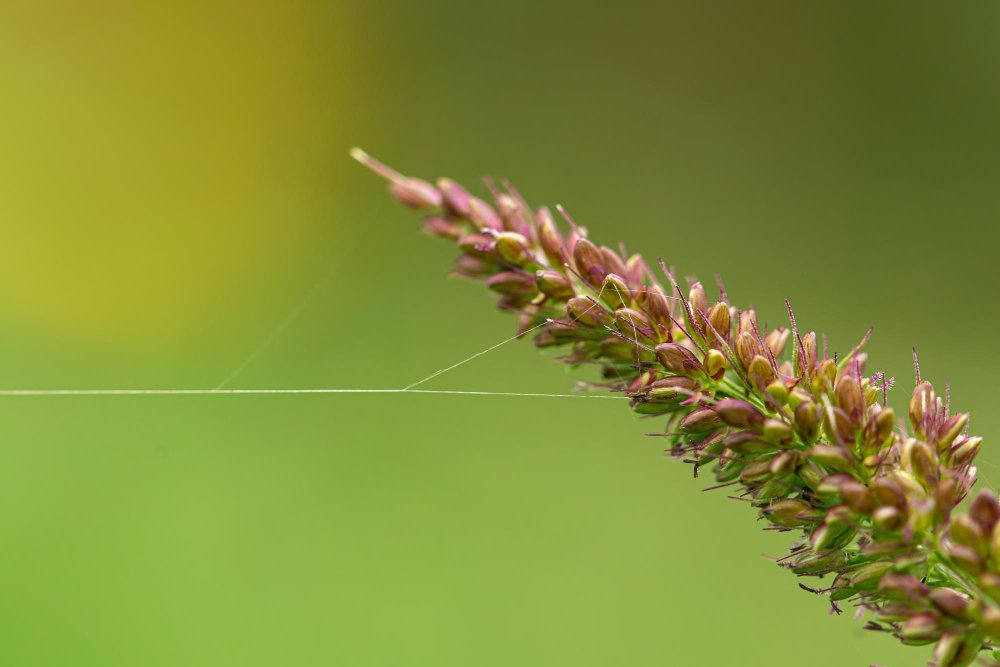
If you have grown up eating bajra rotis or working in agriculture, you already know bajra as a tough, heat-tolerant grain that thrives where most crops struggle. But beyond its role on your plate or in the field, bajra has a fascinating botanical identity. A question that comes up often in school exams, agricultural courses, and curious dinner-table conversations is: Is bajra a monocot or a dicot plant?
The short answer is that bajra is a monocot. But the longer answer is far more interesting. Understanding why bajra falls into the monocot category tells you a great deal about how the plant grows, how it absorbs water and nutrients, and why it behaves the way it does in the field. Let’s break it down.
What Are Monocots and Dicots? The Basics You Need to Know
Flowering plants (angiosperms) split into two broad groups based on the number of seed leaves, or cotyledons, their embryos carry. Monocotyledons (monocots) have one cotyledon. Dicotyledons (dicots) have two.
This single structural difference at the seed stage ripples out into dozens of other characteristics, from leaf shape and root structure to flower petal count and stem anatomy. Botanists use these features together to classify a plant, not just the cotyledon count alone.
Key Characteristics That Set Monocots Apart from Dicots
Monocot plants share these defining features:
- One cotyledon (seed leaf) in the embryo
- Parallel leaf venation (veins run side by side along the leaf)
- Fibrous root system with no central taproot
- Vascular bundles scattered throughout the stem cross-section
- Flower parts in multiples of three (trimerous flowers)
- No secondary growth, so stems don’t thicken like tree trunks
Dicot plants, by contrast:
- Carry two cotyledons in the seed
- Have net-like (reticulate) venation in their leaves
- Develop a taproot system
- Show vascular bundles arranged in a ring in the stem
- Produce flowers with parts in fours or fives
- Often show secondary growth, allowing for woody stems
Is Bajra a Monocot or a Dicot Plant? Here Is the Answer
Bajra (Finger Millet), known scientifically as Pennisetum glaucum (also classified as Cenchrus americanus in some recent taxonomies), is firmly a monocot plant. It belongs to the family Poaceae, the grass family, which is one of the largest and most economically important plant families on Earth.
Every structural feature of the bajra plant confirms its monocot identity. From the single cotyledon in its seed to the parallel veins on its long, lance-shaped leaves, bajra checks every monocot box. Let’s walk through each characteristic.
Seed Structure: One Cotyledon, Not Two
When a bajra seed germinates, only one seed leaf (cotyledon) emerges. This is the defining monocot characteristic. In contrast, seeds of beans or tomatoes split open to reveal two visible seed leaves. The bajra seedling pushes up as a single shoot, which is typical of all grass species. When comparing bajra or ragi which is better, both are monocot millets with similar growth patterns, but they differ slightly in nutritional profile and usage depending on dietary needs.
The bajra grain itself is a caryopsis, a type of fruit where the seed coat fuses with the fruit wall. This is another hallmark of Poaceae grasses and monocots in general.
Leaf Venation: Parallel Veins Running the Length of the Leaf
Look at a bajra leaf and you will immediately see long parallel veins running from base to tip. There is no branching network like you would find on a mango or rose leaf. This parallel venation is a textbook monocot trait. Each vein carries water and nutrients along the leaf without the complex branching that dicots display.
Root System: Fibrous, Not a Taproot
Bajra develops a fibrous root system. Instead of one dominant taproot driving deep into the soil (as you would see in carrots or sunflower), bajra sends out many thin roots in multiple directions from the base of the stem. This fibrous network spreads wide and shallow, which helps the plant pull moisture from a larger area of soil. It’s one reason bajra performs well in dry, sandy soils where deeper rooting would find little reward. In terms of human nutrition, bajra is also considered good for kidney health when consumed in moderation, as its fiber and nutrient profile can support overall metabolic balance.
Stem Anatomy: Scattered Vascular Bundles
If you cut a bajra stem cross-section and examine it under a microscope, you will find vascular bundles (the plant’s internal plumbing for water and food) scattered throughout the stem. Dicot stems, on the other hand, arrange their vascular bundles in a neat ring. This scattered arrangement is a classic monocot feature and means bajra stems cannot grow wider over time the way a tree trunk does.
Bajra stems are also notably hollow between the nodes, with solid joints at intervals. This jointed structure is typical of grasses and contributes to both the plant’s strength and its flexibility in wind.
Flowers: Trimerous and Reduced
Bajra flowers are small and not showy, clustered in a dense cylindrical spike called a panicle. The individual florets follow the monocot pattern of flower parts in multiples of three. Wind pollination, not insect attraction, is the primary pollination strategy, which is why bajra doesn’t need bright petals.
Bajra and the Grass Family: Its Closest Relatives
Bajra belongs to Poaceae, the grass family, which includes some of the world’s most important food crops: rice, wheat, maize, sorghum, barley, oats, and sugarcane. All of them are monocots. This is not a coincidence. The grass family evolved traits that make its members exceptionally well suited to cultivation: rapid growth from nodes, the ability to regenerate after grazing or cutting, and seeds that are easy to harvest and store.
Within the grasses, bajra is closely related to sorghum and maize, both C4 photosynthesis plants that handle heat and drought better than C3 crops like wheat or rice. This shared photosynthetic pathway, common among tropical monocot grasses, is a big part of why bajra thrives in arid regions of South Asia and Sub-Saharan Africa.
Why Does the Monocot Classification of Bajra Actually Matter?
Understanding that bajra is a monocot has real practical implications for farmers and agronomists.
Herbicide selection: Many selective herbicides target either monocots or dicots but not both. Knowing bajra is a monocot helps farmers choose herbicides that kill broadleaf (dicot) weeds without damaging the crop.
Root behaviour in soil: The fibrous root system means bajra benefits from broad soil preparation rather than deep tillage. Shallow, widespread roots respond well to surface mulching and reduced tillage.
Nutrient absorption: Monocot root systems lack the taproot’s ability to mine deep subsoil nutrients. Bajra relies heavily on soil surface fertility, making balanced top-layer fertilisation important.
Breeding and genetics: Monocots and dicots have different genomic structures. Plant breeders working with bajra use monocot-specific genetic tools and techniques.
Bajra as a Crop: Where It Grows and How It Is Used
Bajra is one of the oldest cultivated grains in the world, with archaeological evidence of its cultivation in West Africa going back around 4,000 years. Today, India is the world’s largest producer, accounting for roughly 40% of global output, with Rajasthan, Maharashtra, and Uttar Pradesh as the leading producing states.
As a monocot grass, bajra grows fast and tall, typically reaching between 0.5 and 4 metres depending on the variety. It matures in 60 to 90 days, which makes it useful as a short-season crop or a follow-up crop in rotation.
The grain serves multiple purposes: it goes into flatbreads (rotis), porridge, and fermented beverages for human consumption, and it is a widely used animal feed ingredient. The stover (dried stalks and leaves) also provides roughage for livestock. At CMS Industries, bajra is among the grains sourced and supplied for both human food and animal feed use, reflecting the crop’s agricultural versatility.
Monocot Traits That Give Bajra Its Edge in Harsh Conditions
The fibrous root system typical of monocots is a genuine advantage in sandy, low-moisture soils. Wide-spreading surface roots can capture rain quickly before it percolates beyond reach. Bajra’s parallel leaf venation allows efficient water transport during heat stress. The plant also uses C4 photosynthesis, which monocot grasses in tropical and arid environments commonly employ, allowing it to fix carbon more efficiently at high temperatures than most C3 dicot crops.
These traits, all tied back to its monocot biology, make bajra a reliable crop for smallholder farmers in rain-deficit zones. It tolerates soil pH ranges from 5.0 to 8.0 and handles salinity better than maize or sorghum, according to agronomic data from the International Crops Research Institute for the Semi-Arid Tropics (ICRISAT).
Comparing Bajra with Other Crops: Monocot vs. Dicot Examples
To put bajra’s monocot status in context, here is how it compares with some other well-known crops:
Monocots (same category as bajra): Rice, wheat, maize, sorghum, barley, sugarcane, onion, garlic, banana
Dicots (opposite category): Soybean, chickpea, cotton, sunflower, tomato, potato, groundnut, mustard
At CMS Industries, several products span both categories. Grains like bajra, sorghum, and maize are monocots in the Poaceae family. Pulses like chickpeas and kidney beans are dicots in the Fabaceae family. Oil seeds like sunflower and groundnut are also dicots, while sesame falls into the dicot category as a member of Pedaliaceae.
Common Misconceptions About Bajra’s Plant Classification
Some people assume that because bajra produces a large, bushy seed head it might be a dicot. Others confuse it with broadleaf crops because bajra leaves are wide compared to thin grass blades. Neither assumption holds up botanically.
Bajra leaves are wide relative to some grasses, but they still show clear parallel venation and the sheathing leaf base typical of Poaceae. The seed head size is about the plant’s reproductive biology, not its cotyledon count. Bajra is unambiguously a monocot, and its classification within Poaceae has been stable and well-documented in botanical literature for over a century.
Frequently Asked Questions About Bajra Being a Monocot or Dicot
- Is bajra (pearl millet) a monocot or a dicot plant?
Bajra is a monocot plant. It belongs to the family Poaceae (the grass family) and displays all monocot characteristics: a single cotyledon in the seed, parallel leaf venation, a fibrous root system, and scattered vascular bundles in the stem. This classification is consistent with all grasses used as cereal crops.
- What are the monocot characteristics visible in the bajra plant?
In bajra, you can observe parallel leaf venation, a fibrous root system instead of a taproot, vascular bundles scattered through the stem cross-section, trimerous flower parts, and a seed that germinates with a single cotyledon. These features together confirm bajra as a monocot.
- Which family does bajra belong to, and is it related to other monocot grains?
Bajra belongs to the family Poaceae, the grass family. Its closest agricultural relatives include sorghum, maize, rice, wheat, and barley, all of which are monocot grains in the same family. All share the defining structural traits of monocots, including parallel venation and fibrous roots.
- Why does it matter whether bajra is a monocot or a dicot for farming purposes?
Knowing bajra is a monocot helps farmers choose the right herbicides, understand root behaviour for irrigation and fertiliser planning, and apply appropriate soil management practices. Monocot-specific herbicides can eliminate broadleaf weeds without damaging the bajra crop, saving time and reducing chemical costs.
- Is maize also a monocot like bajra? How do they compare?
Yes, maize is also a monocot in the Poaceae family, just like bajra. Both are C4 photosynthesis grasses with parallel venation and fibrous roots. The main differences are in grain size, water requirements, and temperature tolerance. Bajra handles drier and hotter conditions better, while maize generally requires more water and richer soils to reach its full yield.