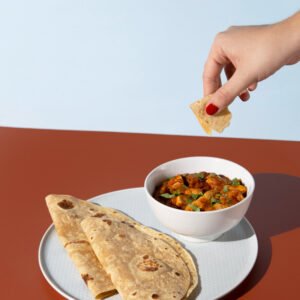
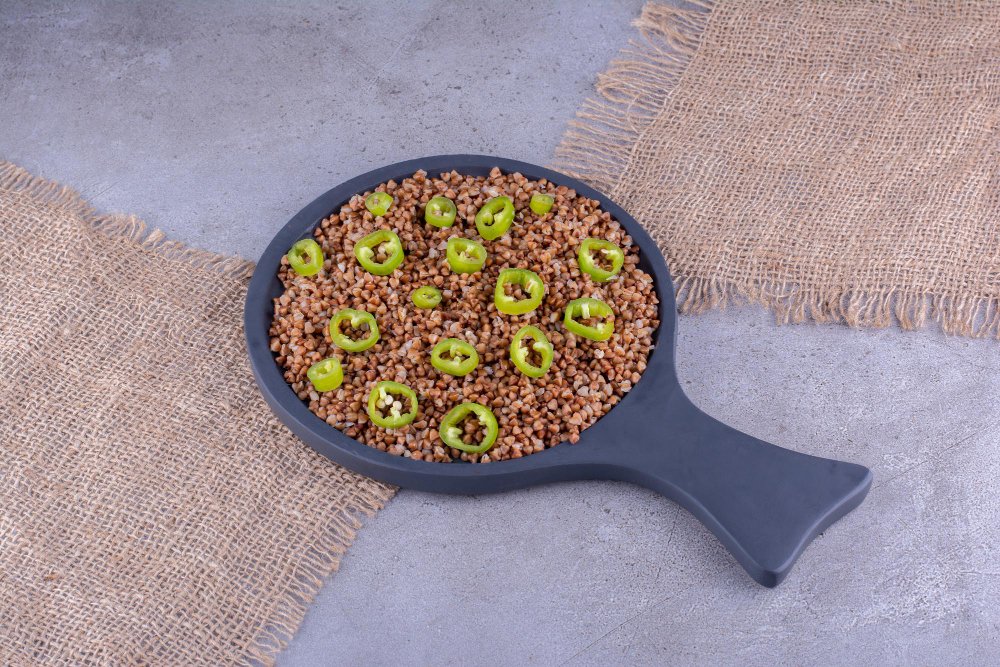
Bajra, the Hindi name for pearl millet (Pennisetum glaucum), has fed communities across India and Africa for over 4,000 years. It has always been a winter staple in states like Rajasthan, Gujarat, and Haryana, where thick bajra rotis served with white butter are practically a way of life. But recently, people across the country are rediscovering this ancient grain, and a specific question keeps coming up: is roasted bajra good for health?
The short answer is yes, quite good. Let’s walk through the science behind it.
What Exactly Is Roasted Bajra?
Roasted bajra simply refers to pearl millet grains that have been dry-roasted on a hot pan or in an oven before cooking, grinding into flour, or eating as a snack. Roasting gives the grain a deeper, nuttier flavor and reduces some of the moisture content. In many traditional Indian kitchens, roasting bajra before boiling it into porridge or grinding it into flour for rotis is standard practice, not a trend.
The process also helps break down certain antinutrients like phytic acid, which can interfere with mineral absorption. So roasting is not just about taste, it actually makes the grain somewhat easier for your body to work with.
Nutritional Profile of Bajra: What You Get Per 100g
Before getting into specific health benefits, here is a quick look at what yellow bajra brings to the table nutritionally. Per 100 grams of raw pearl millet, you get approximately:
- Calories: 361 kcal
- Protein: 11 g
- Carbohydrates: 67 g
- Dietary Fiber: 8 g
- Fat: 5 g (mostly unsaturated)
- Iron: 8 mg
- Magnesium: 114 mg
- Phosphorus: 285 mg
- Zinc: 3 mg
- B Vitamins: Thiamine, Riboflavin, Niacin, Folic Acid
What makes bajra stand out from refined wheat or white rice is the combination of high fiber, plant-based protein, and a solid mineral profile. All of this holds up well after roasting, with the bonus of improved digestibility.
Is Roasted Bajra Good for Health? 7 Evidence-Based Benefits
1. Supports Blood Sugar Control
Bajra has a glycemic index (GI) of around 54 to 68, placing it firmly in the low-to-medium range. For comparison, refined wheat flour (maida) has a GI around 85 and polished white rice sits near 73. This lower GI means that bajra digests more slowly and releases glucose into the bloodstream at a gradual pace, avoiding the sharp spikes that follow meals made from refined grains. Because it keeps you full for longer and supports better blood sugar control, bajra is also beneficial for weight loss as it helps reduce frequent hunger and overeating.
According to the American Diabetes Association, pearl millet releases less glucose over a longer period than commonly consumed rice. Roasting the grain before cooking does not significantly raise its GI, meaning the blood sugar benefits remain intact.
The magnesium content deserves a mention here too. One cup of bajra flour provides roughly 50 percent of the daily magnesium requirement, and magnesium plays a direct role in improving insulin sensitivity and reducing insulin resistance.
2. Good for Heart Health
The Harvard-based Nurses’ Health Study found that women who ate two to three servings of whole grains daily were 30 percent less likely to experience a heart attack or die from heart disease compared to those who ate less than one serving per week. Bajra fits squarely into the whole grain category.
The grain contains omega-3 fatty acids, magnesium, potassium, and plant lignans, all of which contribute to cardiovascular health. Its fiber content helps lower LDL (bad) cholesterol while supporting higher HDL (good) cholesterol levels. Magnesium and potassium both work to reduce blood pressure, which is one of the primary risk factors for heart disease.
3. Aids Digestion and Gut Health
The high dietary fiber in bajra, particularly insoluble fiber, supports regular bowel movement and reduces the risk of constipation. But there is more to the gut story than fiber alone.
Bajra is alkaline in nature, which means it helps maintain the pH balance in your digestive tract. This makes it a practical choice for people who deal with frequent acidity or stomach discomfort. It also limits excess acid production, which over time can lead to stomach ulcers.
4. Helps with Weight Management
High-fiber, nutrient-dense foods like bajra are good allies for people trying to manage their weight. The fiber content promotes a feeling of fullness after meals, which naturally leads to eating less without having to count calories obsessively. The complex carbohydrates in bajra break down slowly, releasing steady energy throughout the day and reducing cravings for unhealthy snacks.
One cup of roasted millet (approximately 170 grams) delivers a strong nutritional return relative to its caloric load, making it a satisfying, non-empty source of energy.
5. Rich in Antioxidants That Fight Chronic Disease
Bajra contains a meaningful amount of polyphenols, flavonoids, and phenolic compounds like ferulic acid and coumaric acid. These plant chemicals help protect cells from oxidative stress, which is connected to early ageing, certain cancers, cardiovascular disease, and neurodegenerative conditions like Alzheimer’s and Parkinson’s disease.
One study published in a peer-reviewed journal found that fermented pearl millet flour showed a 30 percent increase in phenolic compound levels. Roasting, while different from fermentation, also helps activate and improve the bioavailability of some of these beneficial compounds by reducing phytic acid content, which can otherwise bind to antioxidants and prevent absorption.
6. Supports Bone Health
Bajra provides a solid dose of phosphorus and magnesium, two minerals that are directly involved in building and maintaining bone density. Phosphorus forms a structural component of bones and teeth, while magnesium plays a role in regulating calcium metabolism. Regular consumption can help reduce the risk of age-related bone loss and osteoporosis.
7. Gluten-Free and Safe for Celiac Disease
Bajra is completely gluten-free, making it a reliable staple for people with celiac disease or gluten sensitivity. Unlike many gluten-free alternatives that are heavily processed and stripped of nutrients, bajra retains its natural nutritional value in its whole-grain form.
It is also well tolerated by most people, including infants, elderly individuals, pregnant women, and nursing mothers. The iron and folic acid content is particularly useful during pregnancy.
Does Roasting Change the Nutritional Value?
This is a fair concern. The good news is that dry roasting at moderate heat does not cause significant nutrient loss for most of bajra’s key compounds. What roasting does accomplish:
-
Reduces moisture content, concentrating flavor
-
Partially breaks down phytic acid, improving mineral absorption
-
Makes the grain easier to digest
-
Brings out a richer, nuttier taste without the need for oil or seasoning
Some heat-sensitive B vitamins may see minor reductions with prolonged high-heat roasting, but standard dry roasting on a pan for a few minutes keeps these losses minimal. In practical terms, lightly roasted bajra retains essentially the same health profile as raw bajra, with a modest improvement in digestibility. Additionally, bajra is also good for dogs when served in small, properly cooked portions, as it provides fiber, energy, and essential nutrients that can support their overall health.
How to Use Roasted Bajra in Your Diet
Roasted bajra is versatile and easy to work into everyday cooking. Here are a few common ways:
- Roast and grind into flour for bajra roti, bhakri, or flatbreads
- Dry roast before cooking into porridge for breakfast, with jaggery or cardamom
- Mix roasted bajra flour with ghee, jaggery, and nuts to make traditional laddoos
- Add whole roasted grains to soups, stews, or grain bowls
- Use as a crunchy base for snacks, similar to puffed millet
At CMS Industries, bajra is supplied in multiple varieties including green, grey, red, and yellow bajra, each suited to different culinary uses and regional preferences. The grain travels from farms across Gujarat and Rajasthan to kitchens and food businesses globally, with quality and nutrition as the main priority.
A Few Things to Keep in Mind
Bajra is a healthy grain for most people, but a few considerations are worth noting:
- People with thyroid dysfunction should consult a doctor before adding bajra regularly to their diet, as it contains goitrogenic compounds that may affect thyroid function.
- Oxalates present in raw or improperly cooked bajra may contribute to kidney stones in people who are predisposed. Roasting or soaking before cooking helps reduce this risk.
- As with any high-fiber food, increasing intake gradually and drinking adequate water helps your digestive system adjust.
Roasted Bajra vs. Other Grains: A Quick Comparison
When placed side by side with refined wheat or white rice, roasted bajra comes out ahead on nearly every nutritional metric. It has more fiber, more iron (roughly eight times more than white rice), a better mineral profile, and a lower glycemic index. Compared to oats, bajra holds its own, offering comparable fiber with a stronger iron and magnesium profile.
The grain is also more affordable and locally available across India than many other nutritious alternatives like quinoa, making it a practical choice for most households.
Roasted Bajra Good for Health: The Verdict
Yes, roasted bajra is genuinely good for health. It supports blood sugar regulation, heart function, digestion, bone strength, and weight management. The roasting process does not compromise its core nutritional benefits and may in fact improve how well your body absorbs some of its minerals and antioxidants.
For people looking to move away from refined grains and toward whole-grain options, bajra is one of the most nutritious, affordable, and versatile choices available. CMS Industries sources and supplies premium-quality bajra varieties directly from Indian farms, ensuring the grain you use retains its natural nutritional integrity from field to kitchen.
Frequently Asked Questions (FAQs)
1. Can I eat roasted bajra every day?
Yes, eating roasted bajra daily is generally safe and beneficial for most adults. It supplies sustained energy, supports digestion, and contributes to heart and bone health. People with thyroid issues or kidney stones should consult a healthcare provider before making it a daily staple. Start with moderate portions and build up gradually.
2. Is roasted bajra good for diabetes management?
Roasted bajra has a low-to-medium glycemic index of around 54 to 68, which is significantly lower than white rice or refined wheat flour. It digests slowly and releases glucose gradually into the bloodstream. Its high magnesium content also helps reduce insulin resistance, making it a practical grain choice for people managing type 2 diabetes.
3. Does roasting bajra reduce its nutritional value?
Dry roasting bajra at moderate heat preserves most of its nutritional content. The process can actually improve the grain’s digestibility by partially reducing antinutrients like phytic acid. Minor reductions in heat-sensitive B vitamins may occur with prolonged high heat, but standard light roasting on a pan for a few minutes does not cause meaningful nutrient loss.
4. Is bajra good for weight loss?
Bajra supports weight management through its high fiber and protein content, both of which promote satiety and reduce overall calorie intake throughout the day. Its complex carbohydrates release energy slowly, preventing energy crashes and reducing cravings. Roasted bajra roti or porridge can be a filling, nutritious meal option for people managing their weight.
5. How does roasted bajra differ from roasted bajra flour?
Roasted bajra refers to whole grains that have been dry-roasted before cooking or consumption. Roasted bajra flour is made by roasting the whole grains first and then grinding them. Both forms retain good nutritional value. Roasted flour tends to have a nuttier, richer flavor and is commonly used for rotis, laddoos, and porridges in traditional Indian cooking.