
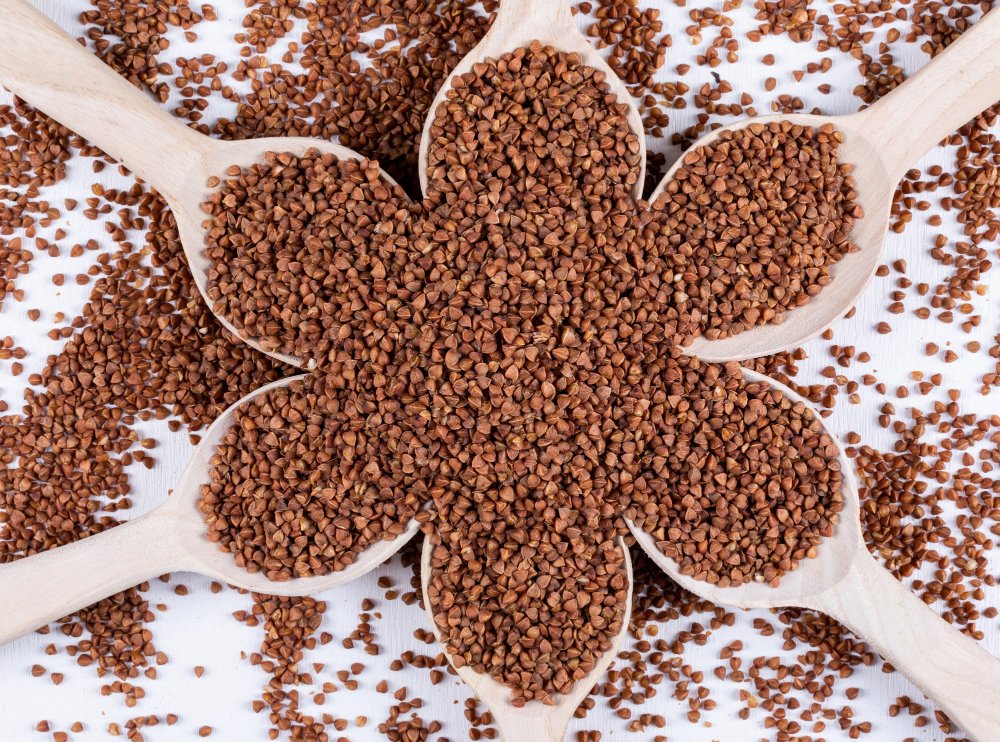
If you have been advised to increase your consumption of millets in your diet to improve your blood sugar levels, ragi is probably one of the ones that have been mentioned in that discussion. But then you might have also heard somebody say ragi porridge spiked their sugar levels, which sounds like the opposite advice. So, does ragi increase sugar levels, or does it help in controlling them?
The real answer is somewhere in the middle, and it depends a lot on how you eat it. Let’s walk through the real numbers, and the nuance most quick answers miss
What Decides Whether a Food Raises Blood Sugar?
Before we delve into ragi in particular, it’s important to get to know the glycaemic index (GI) – a scale that measures how quickly a specific food item raises your blood glucose after you eat it.
- Low GI (55 or less) – digested slowly and causes a slow rise in blood sugar.
- Medium GI (56 to 69): blood sugar rises at a moderate rate.
- High GI (70+): Causes blood sugar to rise quickly.
White rice is around 70 to 90 on this scale, and refined wheat flour is not far behind. This context is important because this is what ragi is usually compared with when people ask about its effect on sugar levels.
Does Ragi Increase Sugar Level? Here’s the Straight Answer
Whole, minimally processed ragi is generally considered to have a low to medium glycaemic index, most often quoted between 54 and 68. This means that it releases glucose into your bloodstream more slowly than foods made with white rice or maida, which leads to steadier blood sugar levels instead of sudden spikes.
That said, ragi seeds isn’t necessarily ‘safe’ across the board. This is the bit that’s often missing from the quick answers on the Internet:
- Whole grain ragi or coarse ragi flour: Low GI in general.
- Ragi roti or chapati: It is in the medium GI range.
Ragi porridge or malt made from fine flour and cooked for a longer period can tend to have a higher GI, as the longer cooking breaks down the structure of starch and makes it easier for the body to convert it to glucose faster.
So the straightforward answer to “Does ragi increase sugar level?” is that it depends on the form and preparation. Whole and less processed forms of ragi are beneficial in controlling blood sugar. Overcooked, finely ground, or sugar-added versions may act differently.
Why Ragi Behaves This Way: The Science Behind It
High Dietary Fibre Slows Down Digestion
According to the ICMR-National Institute of Nutrition’s Indian Food Composition Tables (IFCT 2017), 100 grams of raw ragi contains about 11 grams of dietary fibre, which is one of the highest levels of fibre in commonly consumed cereals. Fibre slows down the rate at which your digestive system and can kids eat ragi breaks down carbohydrates, which then slows down the rate at which glucose is absorbed into your bloodstream.
The Outer Bran Layer Resists Quick Digestion
Ragi has a tough outer layer that is rich in polyphenols, plant compounds that make it harder for digestive enzymes to quickly break down the grain. This structural resistance is part of the reason why whole ragi behaves differently from refined grains, which have already lost the bran and fibre.
Complex Carbohydrate Structure
The carbohydrates in Ragi are more complex than those in refined flours, and it takes longer for your body to break them down and convert them into usable glucose and benefits of eating ragi. This is the same reason why doctors often recommend whole grains over refined ones for blood sugar management in general and not just for ragi.
What Research Says About Ragi and Diabetes
A review in the Journal of Drug Research in Ayurvedic Sciences states that the low glycaemic index of ragi, ranging from 54 to 68, and its insoluble fibre content aid in blood glucose control, thus making it a good addition to the diet for individuals with hyperglycaemia. The same review also references clinical work showing that diabetic patients who received millet flour supplements for several weeks showed measurable reductions in fasting and post-meal blood glucose levels and improvements in cholesterol markers.
This does not mean that ragi replaces medication or a doctor’s advice. It promotes ragi as an ideal part of a holistic approach to blood sugar management rather than as a stand-alone solution.
How to Eat Ragi Without Spiking Your Sugar Levels
There are just a few simple habits that can make a real difference if you want ragi to stay on the low-GI side of the scale:
- Whenever possible, choose a coarser, less processed ragi flour.
- Do not cook ragi porridge or malt for a long time, as longer cooking breaks down the starch faster.
- Combine ragi with protein or healthy fats, such as curd, nuts, or a spoonful of ghee, which slows down overall glucose absorption from the meal.
- If you are concerned about controlling blood sugar, do not add sugar or jaggery to ragi malt or porridge.
- Be careful with portion size, as even a low-GI food eaten in excess at one time can raise blood sugar.
Ragi vs Other Common Grains: A Quick Comparison
| Grain | Approx. Glycemic Index | Effect on Blood Sugar |
| Ragi (whole grain) | 54-68 | Low to medium, gradual rise |
| White rice | 70-90 | High, quick spike |
| Wheat flour (refined) | 65-75 | Medium to high |
| Brown rice | 50-55 | Low to medium |
This table makes the comparison clear. Ragi is more stable than white rice and refined wheat and has a similar effect on blood sugar to brown rice, especially when eaten whole or as a coarse flour.
Who Should Be Extra Careful With Ragi Intake
In general, ragi is considered diabetic-friendly, but some groups of people need to be more careful:
- For diabetics, it is very important to know how your blood sugar reacts, because the same food can have wildly different reactions in different people.
- If you are having ragi porridge sweetened with jaggery or sugar, remember to count the added sugar separately from the natural GI value of ragi.
- Those on a strict low-carb diet should still be aware of their total carbohydrate intake, as ragi is still a carbohydrate-rich grain despite its fibre.
- As always, anyone with a health condition such as diabetes should consult a physician or dietitian before undertaking any major changes to their regular diet.
Why Grain Quality Matters for These Benefits
The benefits of ragi on blood sugar only come if you eat it close to its natural form, with the bran and fibre. Heavily processed or adulterated ragi flour will not have the same slow-release effect; much of the benefit comes from the outer layers of the grain.
CMS Industries is an agricultural grain supplier and exporter, located in Gujarat. They trade in finger millet, as well as a broader spectrum of grains, pulses, and spices from across India. For flour mills and food manufacturers that make ragi-based products, the quality and proper processing of the grain have a direct bearing on the nutritional profile of the final product and its impact on blood sugar. So, home cooks should opt for stone-ground or less processed ragi flour, sourced from a trusted supplier, instead of highly refined varieties.
Final Thoughts
So, ragi increases the sugar level? Not like refined grains, as long as you’re eating it in a whole or minimally processed form. The fibre, tough outer skin, and complicated structure of carbohydrates in this grain all combine to slow down the absorption of glucose, which is why it is often advised for people with diabetes or general blood sugar issues. That said, prep is important. Finely milled flour and added sugar, as well as overcooking the porridge, can all tip that balance, so how you eat ragi is just as important as the grain itself.
Frequently Asked Questions
- Is ragi good for diabetic patients?
Yes, ragi is generally a good option for diabetic patients, as it has a low-to-medium glycaemic index and high fibre content. For optimal blood sugar control, it should be consumed in moderation and free of added sugar.
- Does ragi malt raise blood sugar more than ragi roti?
It depends on how you cook it. Ragi malt, made from finely ground flour and cooked for a longer time, may have a higher glycaemic index than ragi roti, made from coarser and less processed flour.
- Can I eat ragi every day if I have diabetes?
Many of the people with diabetes take ragi in moderate quantities in their daily diet. The best thing is to monitor your own blood sugar response and consult a doctor or dietitian for advice specific to your condition.
- Is ragi better than rice for blood sugar control?
Yes, in general. Ragi has a lower glycaemic index than white rice, which is normally between 70 and 90. The glycaemic index of ragi is around 54-68. This makes ragi a better bet for slow release of blood sugar.
- Does adding jaggery to ragi porridge affect blood sugar?
Yes, adding jaggery or sugar increases the total sugar content of the meal regardless of the glycaemic index of ragi. For better control over blood sugar, it is best to make ragi dishes without adding sweeteners.