If you’ve ever been in the grocery store aisle wondering if jowar and barley are just different names for the same grain, you are not alone. Both are talked about in health food conversations, both are called “traditional Indian grains”, and both are often lumped under the broad “healthy cereal” umbrella. Are jowar and barley the same thing, or are they actually two different grains?
The answer, in short, is no, they are not the same. Jowar and barley are from different plant families, have different nutritional profiles, and behave very differently once they are in your kitchen. So why the confusion, and what are the differences between the two? Let’s unpick this.
What Is Jowar?
‘Jowar’ is the Hindi word for the grain sorghum (Sorghum bicolour). It belongs to the millet family . It is a staple crop in states like Maharashtra, Karnataka, and Telangana, where it is traditionally made into bhakri, roti, and congee. Jowar is naturally gluten-free, and this is the major reason for its popularity in recent years. This has been noted by people who are health-conscious and want to avoid gluten or vary their grain intake.
What Is Barley?
Barley (Hindi: जौ, jau) is a cereal grain of the genus Hordeum. It is closely related to wheat and rye but not to the millets. It is one of the oldest cultivated grains in the history of mankind, used in soups, porridges, and sattu. It still is the main grain used worldwide for malting and brewing beer and whisky. Barley does contain gluten as opposed to jowar.
Are Jowar and Barley the same? The Core Differences
This is a side-by-side comparison to answer the question:
| Feature | Jowar (Sorghum) | Barley (Jau) |
| Plant Family | Millet (Poaceae, Sorghum genus) | Cereal grain (Poaceae, Hordeum genus) |
| Gluten Content | Naturally gluten-free | Contains gluten |
| Ayurvedic Classification | Ushna virya (warming) | Sheeta virya (cooling) |
| Common Uses | Roti, bhakri, dosa, porridge | Soups, sattu, porridge, malting/brewing |
| Growing Regions in India | Maharashtra, Karnataka, Telangana | Rajasthan, Uttar Pradesh, Madhya Pradesh |
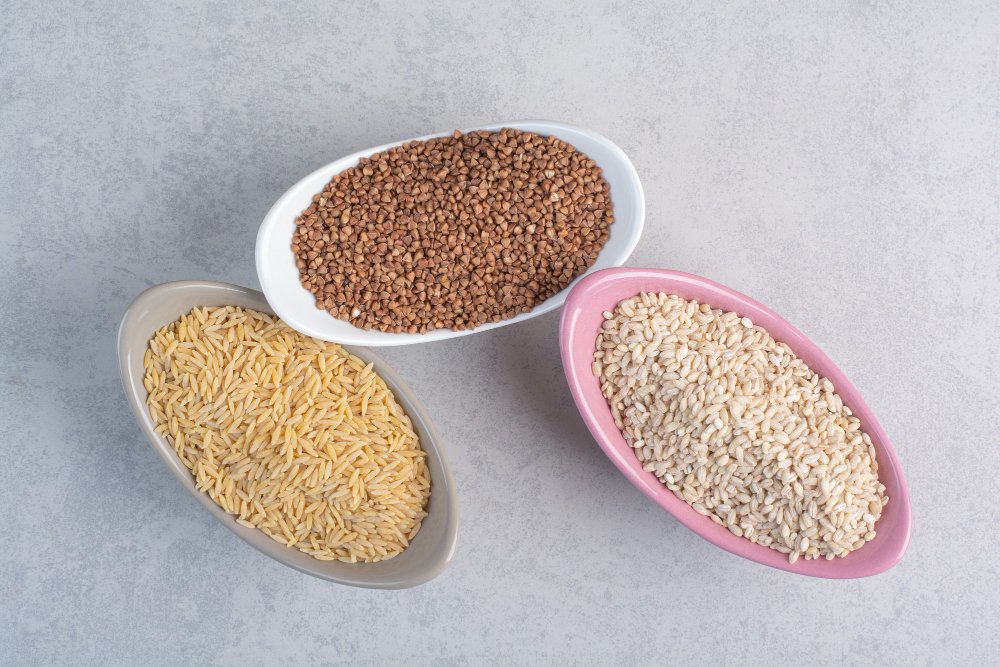
| Grain Appearance | Small, round, pale to reddish-brown | Longer, narrower, often pearled |
As we observe from the table, jowar and barley are not substitutes for each other, even if both are often recommended as healthier alternatives to refined wheat and rice.
Why the Confusion Happens in the First Place
Part of the confusion may stem from the fact that both grains tend to get lumped together in generic “healthy grains” content, without much differentiation and does ragi increases sugar level. Another part is regional differences in naming. India has so many local words for grains that they overlap in casual conversation. The suggestion of “jau” for detox and “jowar roti” for gluten-free eating may sound like they are referring to the same wholesome cereal, but they are actually talking about two botanically different plants with different effects on the body.
Nutritional Differences Between Jowar and Barley
Both grains have real nutritional value, but the details are different.
Both grains have real nutritional value, but the details are different.
Nutritional Highlights of Jowar
- High in dietary fibre, often quoted as about 12 grams per 100 grams, much higher than most cereal grains.
- Good source of protein, with approximately 11 grams per 100 grams
- Rich in iron, magnesium, and niacin (vitamin B3)
- Gluten-Free Naturally is a good option for those with coeliac disease or gluten sensitivity.
Barley Nutrition Highlights
- High in beta-glucan, a soluble fibre that has particular cholesterol-lowering effects
- Good source of selenium, manganese, and copper
- May contain gluten and therefore not suitable for anyone with Coeliac disease or a diagnosed gluten intolerance
- Has a relatively lower glycaemic index compared to refined wheat. Whole jowar also does very well in this regard.
No grain is “better” than another, objectively. Which one is right for you depends on what you’re managing. Gluten sensitivity? Cholesterol levels? Just variety in your weekly diet?
What Ayurveda Says About Jowar and Barley
Here, the two grains become even more distinct. In traditional Ayurvedic classification, jowar is considered ushna virya (warming), which means it warms the body and can we eat ragi in summer and helps with digestion. It provides lasting strength but can aggravate Vata without enough healthy fat (such as ghee).
Barley has sheeta virya, a cooling effect. Traditionally used for treatments involving obesity, high cholesterol, and water retention. Cleansing, but rather heavy on digestion.
So, even from an Ayurvedic perspective, jowar and barley are different foods to be treated differently and are not interchangeable grains.
How to Tell Them Apart in the Kitchen
- If you ever find yourself confused about what grain you are looking at or cooking with, here are some practical tips:
- Look at the flour’s appearance and feel. Jowar flour is a pale white to slightly off-white colour, while barley flour is a little denser and coarser.
- Look at the shape of the grain. The jowar grains are small, round, and pearl-like. Barley grains are more elongated and narrow, and pearled barley has a distinctly polished appearance compared to raw jowar.
- Look at the ingredients label. If gluten is in the ingredients or the packaging doesn’t say “gluten-free”, it’s most likely barley, not jowar.
- Look at the plate. Recipes that mention something used in soups, stews, or malting are almost certainly talking about barley. If it’s roti, bhakri, or dosa, it’s jowar.
Which One Should You Choose?
The right grain depends on what you are looking for:
- If you are looking for a gluten-free alternative or want to add more dietary fibre to your diet for better digestive health, then jowar is the grain to choose for your daily Indian flatbreads, such as roti and bhakri.
- If you want to control cholesterol with beta-glucan fibre, enjoy it in soups and porridges, or have no dietary restrictions on gluten, choose barley.
- If you want variety in your grain consumption, use both. It is good to rotate between jowar, barley, wheat, and millets like ragi to get different sources of nutrients rather than relying on one grain for all purposes.
Sourcing Both Grains From a Reliable Supplier
“Jowar and barley are so different in terms of their usage in the kitchen that it makes sense to buy them from a supplier that provides both, with uniform quality and grading, to make life easier for households and businesses alike.” CMS Industries is an agricultural grain supplier and exporter based in Gujarat. It deals in jowar and barley as part of its larger grains portfolio. which includes wheat, maize, and finger millet sourced from different growing regions of India. For flour mills, food manufacturers, and even home cooks buying in bulk, knowing exactly what grain you’re getting and from a source with proper Sortex cleaning and grading matters more than it might seem at first glance.
Final Thoughts
So, are jowar and barley the same? No, and the differences go well beyond just their names. Jowar is a gluten-free millet, warming in Ayurvedic terms, and a staple in Indian flatbreads. Barley is a gluten-containing cereal grain, cooling in Ayurvedic terms, and better known for soups, sattu, and its role in brewing. Both bring genuine nutritional value to a balanced diet, but they’re not substitutes for each other, especially if you’re managing a gluten-related condition or looking for a specific health benefit like cholesterol control. Knowing the real difference helps you pick the right grain for the right purpose, instead of assuming one can simply replace the other.
Frequently Asked Questions
- Can I use jowar flour instead of barley flour in a recipe?
Not directly. Jowar is gluten-free and has a different texture and flavour. Barley is gluten-free and acts differently when cooked. Choosing one over the other will probably change the texture and result of the dish quite a bit.
- Is jowar or barley better for weight loss?
Both are high in fibre, which can help with weight management. Jowar also has more overall fibre per serving, while barley’s beta-glucan fibre is known to support satiety and cholesterol control. Which one is better depends on what your other dietary needs are.
- Does jowar contain gluten like barley does?
No, jowar is naturally gluten-free, unlike barley, which has gluten. This makes jowar a good option for people with coeliac disease or gluten sensitivity, but barley is not recommended for those with these diseases.
- Which grain is more commonly used in Indian households, jowar or barley?
Jowar is more commonly found in states like Maharashtra and Karnataka for daily flatbreads like bhakri. Barley is not a daily cookery; it is used in certain preparations like sattu, soups, and detox diets.
- Are jowar and barley from the same plant family?
No, they belong to different sections of the grass family. Jowar grain is a member of the Sorghum genus of the millet family . Barley is a member of the Hordeum genus and is more closely related to wheat and rye than it is to jowar .