
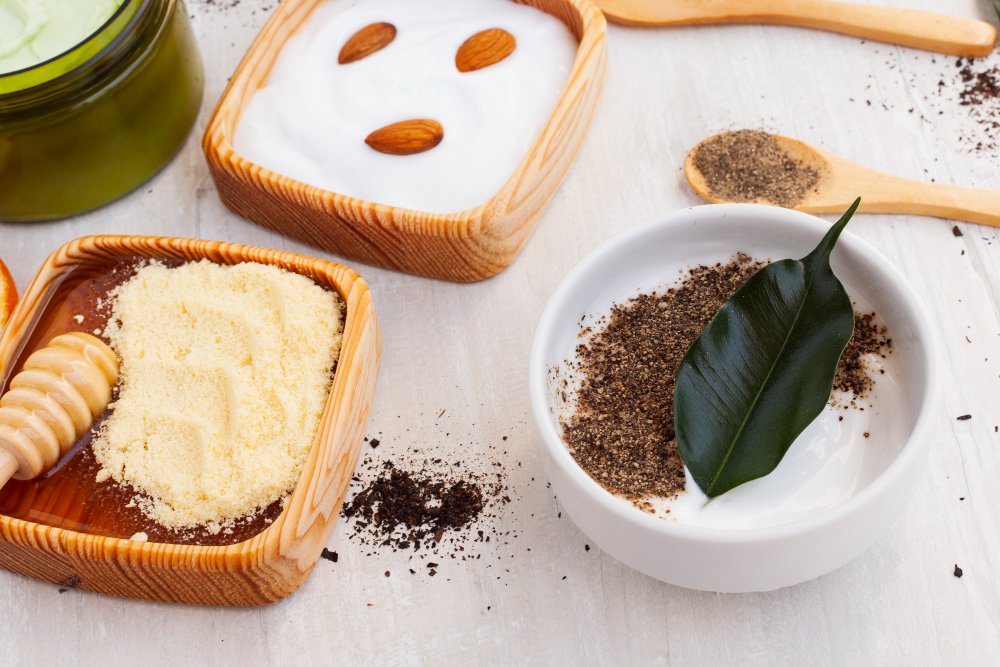
Most of what you need to have healthier hair is likely already in your kitchen. Sesame seeds – yes, the same sesame seeds you sprinkle on salads or mix into tahini – have a nutritional profile that makes them truly useful in home hair care. From scalp oils to conditioning masks, DIY hair remedies using sesame seeds have been a staple in Indian, East Asian, and Middle Eastern households for generations, and the science behind them is worth knowing before you start.
In this guide, learn the most practical recipes you can make at home, what each one does, and how to use them.
Why Sesame Seeds Work for Hair: The Short Version
Before we get to the recipes, here’s what you’re really dealing with.
Sesame seeds have a rich combination of nutrients that hair follicles depend on. According to the USDA FoodData Central database, sesame seeds contain appreciable amounts of zinc, magnesium, iron, copper, calcium, and protein per serving. They also contain fatty acids like omega-3, omega-6, and omega-9, as well as vitamin E and B vitamins.
All these contribute to hair health. Zinc helps follicle repair. Iron carries oxygen to the blood that feeds the scalp. Magnesium helps the cells function in the hair growth cycle. Vitamin E is an antioxidant that helps to protect the scalp from environmental damage. The fatty acids, especially linoleic acid and oleic acid, nourish the scalp barrier and help to prevent water loss.
Oil obtained from sesame seeds has antibacterial and antifungal properties that have been documented in several research papers published in the Malaysian Journal of Medicine and Health Sciences. According to a study referenced by Davines, a reputed hair care research brand, sesame oil can withstand up to 30 per cent of UV rays, creating a light protective shield on the scalp and hair shaft.
Sesame oil is good for hair because it penetrates the hair cuticle rather than just sitting on it. It makes it a more effective carrier of the nutrients it contains than heavier oils, which coat rather than absorb.
Let’s get into remedies.
DIY Hair Remedies Using Sesame Seeds: 7 Recipes to Try at Home
Remedy 1: Warm Sesame Oil Scalp Massage
What it does: Boosts blood flow to the scalp, feeds the follicles with fatty acids and vitamin E, and reduces dryness.
This is the simplest and most basic of all the sesame seed hair remedies. For centuries, Ayurvedic practitioners have been using shiro abhyanga, or regular scalp massage with warm sesame oil and benefits of eating ragi The mechanism is simple: heat and massage action together open blood flow to the follicles, and the oil brings nutrients directly to the scalp tissue.
What you’ll need:
- 2-3 tablespoons cold-pressed sesame seed oil
- Procedures
- Warm the oil indirectly by placing the container in hot water in a bowl for a few minutes. The oil should be warm to the touch, but not hot.
- Divide your hair into sections and massage the oil directly onto your scalp with your fingertips.
- Massage into the entire scalp in firm, circular motions for 8 to 10 minutes.
- Leave on for 30-60 minutes.
- Use a mild shampoo and warm water to rinse.
How often: 2-3 times a week for overall scalp health. Once a week, if you have an oily scalp.
Note: If you have active fungal dandruff with redness or visible inflammation, seek the advice of a dermatologist before using oil treatments. Traya Health says, “In some cases, oil applied on an infected scalp without proper cleansing can worsen fungal growth.
Remedy 2: Sesame Oil and Aloe Vera Scalp Treatment
What it does: Combines the deep penetration of sesame oil and ragi seeds health benefits with the hydrating and soothing properties of aloe vera, making this one of the best options for a dry or irritated scalp.
Sesame oil doesn’t leave a layer of moisture, but aloe vera gel calms an irritated scalp. They work together to create a protective shield around the hair shaft while reducing flakiness and sensitivity.
What you’ll need:
- 2 tablespoons of sesame oil
- 1 tablespoon fresh aloe vera gel (from a leaf) or store-bought pure aloe vera gel
Steps:
- In a small bowl, combine the sesame oil and aloe vera gel.
- Apply to the scalp and massage through to the ends of the hair shaft.
- Let it sit for 30 to 45 minutes.
- Rinse with warm water and then wash with mild shampoo.
Frequency: A few times a week, especially in hot or dry weather seasons.
Remedy 3: Sesame Seed and Honey Hair Mask
What it does: Adds shine, attracts moisture to hair, feeds dry, brittle hair. Honey is a humectant, meaning it pulls moisture from the air into the hair shaft and keeps it hydrated.
What You’ll Need:
- 2 tablespoons sesame seeds (white or black, whichever you like)
- * 1 tablespoon raw honey
- 1 tbsp sesame oil or coconut oil
Method:
- Grind the sesame seeds to a fine powder, either in a spice grinder or blender.
- Put the ground sesame, honey, and sesame oil into a bowl and mix to form a smooth paste.
- Apply to the scalp and work through to the ends of hair.
- Leave for 20-30 minutes.
- Wash well with warm water and shampoo as usual.
Frequency: Once weekly conditioning treatment.
Tip: If you have very fine hair, reduce the sesame oil to half a tablespoon so you don’t weigh the hair down.
Remedy 4: Sesame and Fenugreek Scalp Paste
What it does: Targets scalp health specifically, reducing dandruff, itchiness, and excessive shedding. Nicotinic acid and proteins in fenugreek seeds can help strengthen hair roots, while the antimicrobial properties of sesame oil can help reduce inflammation on the scalp.
Generations of South Asian households have been using this mix as a remedy for hair fall.
What you’ll need:
- 2 Tbs. oil (sesame)
- 1 teaspoon of fenugreek powder (or 1 teaspoon of whole fenugreek seeds soaked overnight and made into a paste)
Procedures:
- Warm the sesame oil gently.
- Add the fenugreek powder or paste, and mix until well combined.
- Section the hair and apply to the scalp using fingertips or a brush.
- Leave for 30 to 45 minutes.
- Rinse with a mild shampoo and cold water.
Frequency: If you have active dandruff or hairfall. Twice to thrice a week. Weekly maintenance.
Note: Fenugreek has a strong odour that can linger. Rinse thoroughly and shampoo as usual to remove.
Remedy 5: Sesame Oil and Yogurt Deep Conditioning Mask
What it does: (1) Repairs dry, damaged, or chemically treated hair. The lactic acid in yoghurt lightly cleanses the scalp and smooths the hair cuticle, while the protein adds a conditioning layer to weakened strands. This mask is used with sesame oil and treats the scalp and hair shaft.
What you will need:
- 1 tbs sesame oil
- 2 tablespoons plain yogurt, unsweetened
- 1 tablespoon toasted ground sesame seeds (optional for additional nutrient density)
Steps:
- Combine all ingredients in a bowl.
- Start from the scalp and work to the ends.
- Rake through with a wide-tooth comb, spreading evenly.
- Let it sit for half an hour.
- Rinse with cool water (warm water can curdle the yoghurt and make it more difficult to remove) and shampoo.
Frequency: Once weekly for damaged and colour-treated hair.
Remedy 6: Overnight Sesame Oil Deep Treatment
What it does: Intensive conditioning for very dry, coarse, or heat-damaged hair. The oil is left overnight so the fatty acids and vitamin E can be absorbed into your scalp and hair shaft more effectively.
Required:
- 3 to 4 tablespoons of cold-pressed sesame oil
Steps:
- Warm the oil.
- Apply liberally to the scalp and the entire length of hair.
- Wrap hair with a soft cotton towel or wear a shower cap to protect pillowcases.
- Leave overnight.
- In the morning, wash out with shampoo. You may need to shampoo twice to get all the oil out.
How often: Once weekly for dry or damaged hair. Less frequently for normal, oily hair types
Important: If you have an oily scalp type or active scalp infections, never leave heavy oil on the scalp overnight, as this can worsen buildup and clogging of the follicles.
Remedy 7: Sesame Seed Paste for Thinning Hair (Internal and Topical)
What it does: Topical sesame treatment combined with a simple dietary habit to address thinning hair from the inside out. This method recognises that topical remedies work best when the body is also supplying the nutrients needed internally by the hair follicles.
Topical component:
- 2 tablespoons ground sesame seeds, 1 tablespoon coconut or sesame oil
- Apply to the scalp, massage for 5 minutes, leave on for 30 minutes, and rinse off
Dietary Ingredient:
- 1 tablespoon of toasted white sesame seeds added to meals like yogurt, salads, or rice daily
This two-pronged approach attacks hair health at the follicle in two ways. Topical application assists with scalp circulation and barrier health, while daily consumption of the seeds provides the follicle with the zinc, magnesium, and amino acids it needs to grow hair.
Choosing the Right Sesame Seeds and Oil for These Remedies
The results are not the same for all sesame products.
Here’s what to look for:
For topical applications: Sesame (cold-pressed) oil. Cold pressing retains the full complement of fatty acids, vitamin E, and antioxidants. Refined sesame oil is heat- and chemically processed, so it loses some of these beneficial compounds. Look for oil that is pale gold with a mild, clean, nutty smell.
For seed masks: Both white and black sesame seeds are good for use in topical masks. White Sesame Seeds: These are hulled sesame seeds. When ground, white sesame seeds have a smoother texture and a milder smell, making them more comfortable to use on the scalp. Little Extra Love cites a 2010 study that found white sesame seeds to have more protein and moisture than black varieties, which is relevant for conditioning masks aimed at hair structure.
Quality of source matters. CMS Industries is a manufacturer and supplier of oil seeds like white sesame seeds, natural sesame seeds, hulled sesame seeds, and roasted sesame seeds. We source and export oil seeds from India. If you are a buyer in the food manufacturing or cosmetics ingredient space and you need consistent seed quality at scale, sourcing from a dedicated agricultural supplier means you get product that hasn’t been sitting in uncontrolled storage conditions.
For home use, seeds should be uniform in colour, smell nutty and fresh, and be packaged in airtight containers.
How to Build These Remedies Into a Weekly Routine
Running multiple treatments in no particular order does not yield better results than a consistent schedule.
Here’s a weekly framework that works in practice:
Every day, add a tablespoon of toasted white sesame seeds to a dish. You can have them on yoghurt, mixed into oatmeal, or sprinkled on rice or salads.
2 times a week, warm sesame oil scalp massage (Remedy 1), then shampoo after 30 to 60 minutes.
Once a week: Select one of the deeper hair mask treatments (Remedies 2 through 6) depending upon the condition of your hair now. Change between them as necessary.
The results of food-based and natural topical treatments are slow. Most users notice an increase in scalp moisture, less breakage, and better texture within four to six weeks of consistent use. Hair growth is less rapid and is usually observed after three to four months of consistent nutritional support.
Patch Test First
Before applying any new mixture to your scalp, test a small amount on the inside of your wrist or elbow and wait 24 hours. In the United States, sesame seeds are among the main food allergens on the list of the FDA (recognised by the FALCPA amendments that came into force in January 2023). Topical sesame oil reactions are less common than dietary reactions, but anyone with a known sesame allergy should avoid all topical sesame products and consult a physician before use.
Frequently Asked Questions
- How often should I use sesame oil on my hair to see results?
For most hair types, two to three times a week is fine. If you have an oily scalp, once a week is enough. If hair is very dry or damaged, an overnight treatment once a week can help. Consistency over four-six weeks is more important than frequency in a week.
- Can I leave sesame oil on my hair overnight?
Yes, for dry to normal hair. Apply liberally, cover with a shower cap or cotton wrap, and wash out in the morning with a mild shampoo. Do not apply it overnight if you have an oily scalp or scalp inflammation, as prolonged contact with oil can aggravate build-up or irritation.
- Which is better for a DIY hair mask, white or black sesame seeds?
Both are good. Ground white sesame seeds have a milder smell and smoother texture and are easier to rinse out of hair. Research from a 2010 study referenced in Little Extra Love found that white sesame seeds had higher protein and moisture content, which backs up conditioning masks. Black sesame seeds have more antioxidants from their intact hull but a stronger, earthier smell.
- Can these sesame seed remedies help with dandruff?
Sesame oil has antifungal and antibacterial properties that could help reduce mild dandruff caused by dryness or bacterial imbalance. The fenugreek and sesame combination (Remedy 4) is the most targeted option for this issue. If you notice visible redness, excessive flaking, or itching from dandruff that doesn’t improve after two weeks, then it’s worth seeing a dermatologist. Fungal dandruff often requires medicated treatment.
- How do I store leftover sesame oil or seed paste?
Store any unused cold-pressed sesame oil away from heat and light in a dark glass jar with an airtight lid. Lasts for months. Use prepared pastes of ground seeds, yoghurt, or honey immediately and do not store them, as fresh ingredients spoil rapidly without refrigeration.