
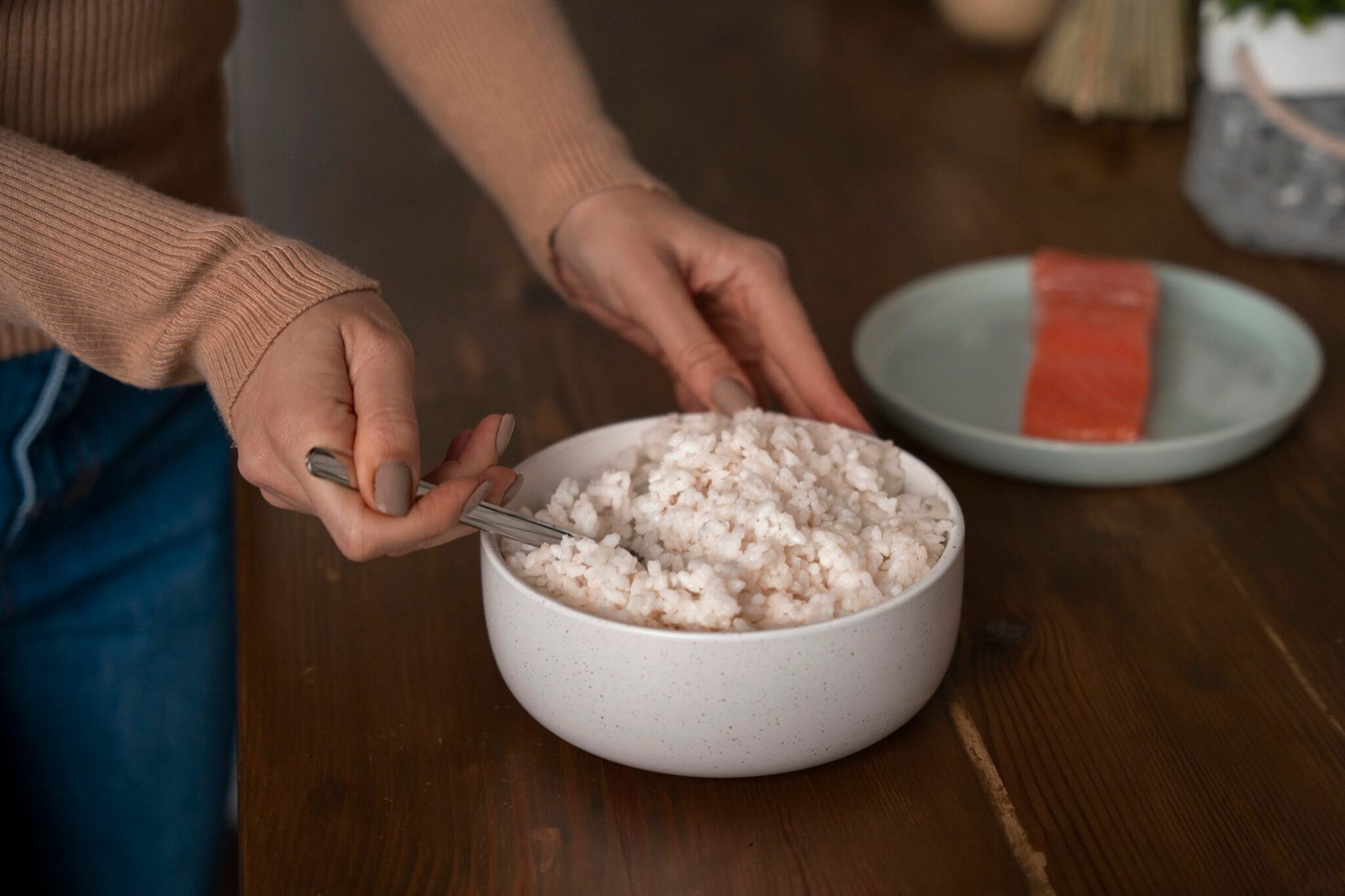
Billions of people have rice at the centre of their plate, and that’s exactly why diabetic patients ask about it so often. For those of us (or our loved ones) who manage blood sugar daily, the type of rice on your plate is no small detail. Is unpolished rice good for diabetic patients? The short answer is yes, in most cases, and here’s why.
What Does “Unpolished” Actually Mean?
Rice starts as a whole grain, known as paddy. Once harvested, it is yellow millet, and the outer husk is stripped away. Here you have brown rice (also called unpolished rice), which still contains its bran layer and germ.
White rice takes it one step further. Millers also remove the bran and germ, leaving just the starchy middle. That next step is called polishing, and it changes the grain in ways that matter a lot to anyone watching their blood sugar.
The Milling Process in Three Stages
- When the husk is removed, paddy becomes brown rice or unpolished rice.
- Brown rice is made white by removing the bran and germ.
- Further polishing smooths the grain and cuts cooking time but also strips away fibre, vitamins, and minerals.
Why Unpolished Rice Helps with Blood Sugar Control
The primary reason brown rice is good for diabetics is the rate at which it raises blood glucose following a meal. That speed is measured using the glycaemic index, or GI.
In a comparative study, researchers at the Madras Diabetes Research Foundation found that white rice has a GI near 79.6, whereas brown rice measured closer to 57.6. The researchers called the difference statistically meaningful (Sugar.Fit, “Which Rice is Good for Diabetes,” 2022). Brown rice is much closer to the safer range than white rice. Foods with a GI of 55 or less are considered low-glycaemic.
That gap was plainly explained in a mixed-methods study published in a South Asian public health journal: Milling takes the bran, germ, and much of the insoluble fibre, magnesium and barley manufactures , and vitamin content out of rice, making it a fast-digesting, high-glycaemic food (ScienceDirect, “Understanding rice preferences and awareness of brown rice among persons with diabetes” (2025). Brown rice still has that bran layer, which slows digestion and allows glucose to seep into the bloodstream at a more measured pace.
Glycaemic Index at a Glance
- White rice: GI 70-80 (high)
- Brown (unpolished) rice: GI 50 to 58 (low to medium)
- Parboiled rice: GI falls further depending on how heavily it’s processed, sometimes by almost 30 per cent compared to standard milled rice
The Nutrient Gap Between Brown and White Rice
Blood sugar response is just one part of the story. The fibre and mineral content count, too, and here unpolished rice pulls further ahead.
In a side-by-side nutrition review, a cup of cooked brown rice has nearly six times more fiber than a cup of cooked white rice, and much higher magnesium (Nutrify Tracker, “White Rice vs Brown Rice: Complete Nutrition Comparison,” 2026). Another comparison of nutrition found that brown rice has about 140 per cent more magnesium than white rice, as well as higher levels of niacin, vitamin B6, and phosphorus (Kay Nutrition, “Brown Rice vs. White Rice: Which is Healthier?,” 2026).
Several studies have associated low magnesium intake with increased risk of type 2 diabetes. Magnesium is directly involved in the function of insulin. Fibre slows digestion, helps you stay full longer after a meal, and helps level out the sharp spike in glucose that white rice is known for.
Polished Rice is Stronger in Nutrients:
- Fibre: about 3 to 4 times higher than white rice
- Magnesium. Regulates blood sugar and blood pressure.
- B vitamins: thiamin, niacin, and B6 are retained in the bran layer
- Manganese and selenium: both removed by polishing
What Clinical Studies Show
Nutrition claims are one thing; controlled studies are another. One systematic review and meta-analysis of randomised controlled trials on a brown rice diet in patients with prediabetes and type 2 diabetes, using data from the Cochrane Library, MEDLINE, and Epistemonikos databases (PMC, “The effect of a brown-rice diet on glycaemic control and metabolic parameters in prediabetes and type 2 diabetes mellitus,” 2021). The trials looked at the two standard markers doctors use to judge long-term blood sugar control: HbA1c and fasting blood glucose.
In another study, parboiled rice—a semi-processed form of rice that falls somewhere between brown and white rice—was found to produce a milder post-meal glucose and insulin response in people with type 2 diabetes than regular white rice (PMC, “Parboiled Rice and Glycaemic Control,” Foods, 2025). This aligns with the broader trend researchers have observed: grains that undergo less processing may have a gentler impact on blood sugar levels. But can we eat ragi in summer? Yes, ragi can be included in a summer diet in moderate amounts, particularly when prepared as a light ragi porridge or malt.
Bringing Unpolished Rice into a Diabetic-Friendly Diet
Knowing that unpolished rice is good for diabetic patients is one thing. Another is making the switch work. Transition is easier with a few practical steps.
Slowly swap. For the first few weeks, mix half brown rice and half white rice so your household gets used to the texture and cooking time.
Soak before cooking. Soaking brown rice for 30 minutes to a few hours can soften the bran and reduce phytic acid, a compound that may hinder mineral absorption.
Keep an eye on your portion. The American Diabetes Association’s plate method suggests filling only one quarter of a 9-inch plate with grains such as rice and the remainder of the plate with non-starchy vegetables and protein (American Diabetes Association, “Plan Your Diabetes Plate”, 2025).
Mix it with protein and fat. Eating rice with lean protein, vegetables, or healthy fat slows digestion down further and blunts the blood sugar response.
Check your own figures. Everyone has a little different reaction. If you want to know how a particular rice variety affects you, test your blood glucose before and about 2 hours after eating something. That gives you the real data.
Note About Sourcing Quality Grain
The health benefits of unpolished rice vary according to the origin of the grain and the processing and storage conditions. Badly stored or very old rice has lost a bit of its nutritional edge, no matter how it was milled. This is why sourcing is important for bulk buyers and food businesses. CMS Industries, based in Gujarat, is an exporter of agricultural products. It has a variety of non-basmati rice, including raw and parboiled, for buyers who are particular about the uniformity of grain quality. If you’re attempting to design a diabetic-friendly meal plan that includes rice, it’s better to start with a well-sourced, well-processed grain from a reliable supplier like CMS Industries, rather than taking your chances with a random bag on a shelf.
Is White Rice Completely Off the Table?
Not necessarily. White rice is not dangerous at all, especially in small, controlled portions with fibre and protein. But for someone living with diabetes daily, there’s a clear, research-backed advantage to eating unpolished rice: slower release of glucose, more fibre, and better minerals. A small change like switching to unpolished rice most days of the week adds up over months and years of eating.
Frequently Asked Questions
Is brown rice safe for diabetics to eat every day?
Yes, for most people. Brown rice has a lower glycaemic index and more fibre than white rice, helping to prevent sharp spikes in blood sugar. Portion size still matters, so stick with half a cup to one cup per meal, depending on your care team’s guidance.
What is the glycaemic index of unpolished rice?
Brown rice, or unpolished rice, generally has a glycaemic index of between 50 and 58, which is low to medium (low to medium). But white rice, in contrast, is often between 70 and 80, which is high glycaemic.
Does soaking rice before cooking lower its effect on blood sugar?
Soaking mainly softens the bran and reduces phytic acid, which improves mineral absorption rather than directly altering the glycaemic index. Rice combined with protein, fibre, or fat has a bigger and more consistent effect on glucose after a meal.
Can diabetics still eat white rice sometimes?
Small portions of white rice are usually fine when eaten with vegetables and lean protein or healthy fat, which slow down digestion. Several studies find regular, large helpings of white rice alone are linked to an increased risk of diabetes in the long term.
How much unpolished rice should a diabetic eat per meal?
Most dietitians suggest that about one quarter of your plate should be filled with a whole grain, such as brown rice, which is about half a cup to one cup cooked. The amount you need exactly depends on your calorie needs, activity level, and blood sugar targets.