Foxtail millet has been a staple grain in parts of Asia and Africa for thousands of years. Today, it is getting renewed attention from nutritionists, researchers, and home cooks who are looking for alternatives to refined grains. If you have been curious about why this small, golden-yellow grain keeps showing up in health conversations, read on. Here is a thorough look at the science-backed health benefits of foxtail millet and why it deserves a regular spot in your diet.
What Is Foxtail Millet?
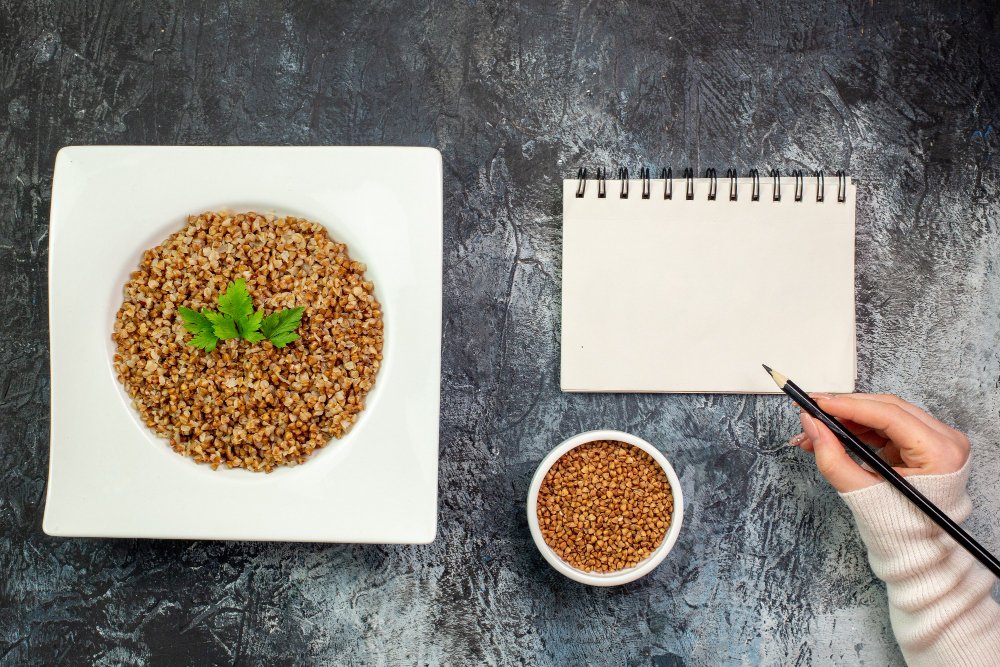
Foxtail Millet (Setaria italica) is one of the oldest cultivated crops in the world. Archaeobotanical evidence traces its cultivation in China back at least 8,000 years, and it has been a dietary staple across India, Japan, and parts of Africa for centuries. The grain is small, round, and slightly nutty in flavor. It cooks in about 20 minutes and works well as a substitute for rice, upma, porridge, or even baked goods.
Botanically, it belongs to the Poaceae (grass) family and is closely related to other millets like pearl millet and finger millet. In India, Finger Milet is commonly known as kangni or Italian millet. At CMS Industries, grains including various millets form a core part of the agricultural products the company sources, processes, and exports globally, a reflection of how seriously this category of crops is taken in international trade.
Let’s break down the nutrition first, then get into the benefits.
Foxtail Millet Nutritional Profile (per 100g, raw)
- Calories: ~351 kcal
- Protein: ~12.3 g
- Carbohydrates: ~63.2 g
- Dietary Fiber: ~6.7 g
- Fat: ~4.3 g
- Iron: ~2.8 mg
- Calcium: ~31 mg
- Magnesium: ~81 mg
- Phosphorus: ~290 mg
- B Vitamins: Thiamine (B1), Niacin (B3), B6
10 Proven Health Benefits of Foxtail Millet
1. Helps Manage Blood Sugar Levels
One of the most well-documented health benefits of foxtail millet is its positive effect on blood glucose control. The grain has a low glycemic index (GI), which means it causes a slower, more gradual rise in blood sugar compared to white rice or wheat flour.
A study published in the Journal of Food Science and Technology found that replacing refined cereals with foxtail millet in the diet of type 2 diabetic patients led to measurable improvements in fasting glucose and post-meal glucose levels over 90 days. The high fiber content slows carbohydrate digestion, which prevents glucose spikes.
If you are managing diabetes or simply want to keep your energy levels stable throughout the day, swapping white rice with cooked foxtail millet is a practical, evidence-based choice.
2. Supports Heart Health
Foxtail millet contains magnesium, potassium, and a modest amount of unsaturated fatty acids, all of which contribute to cardiovascular health. Magnesium helps relax blood vessel walls, which can lower blood pressure. Potassium counteracts the effects of sodium on blood pressure.
The grain also contains wax esters and phytosterols, plant compounds known to reduce LDL cholesterol absorption in the gut. Regular consumption of whole grains like foxtail millet is associated with a lower risk of coronary artery disease, according to the American Heart Association’s dietary guidelines.
3. Rich in Plant-Based Protein
With about 12 grams of protein per 100 grams, foxtail millet is one of the better protein sources among cereal grains. It contains essential amino acids including leucine and isoleucine, though like most plant proteins it is relatively low in lysine. Pairing it with legumes such as lentils or chickpeas covers the amino acid gap neatly.
This makes foxtail millet particularly useful for vegetarians and vegans looking to diversify their protein sources beyond pulses and soy. It also makes the grain a reasonable post-workout food option when combined with adequate protein.
4. Aids Digestive Health
The dietary fiber in foxtail millet around 6.7g per 100g feeds beneficial gut bacteria and adds bulk to stools, which supports regular bowel movements. Both soluble and insoluble fiber are present in meaningful amounts.
Soluble fiber ferments in the colon to produce short-chain fatty acids (SCFAs), particularly butyrate. Butyrate is the preferred fuel for colonocytes (colon cells) and plays a role in maintaining the integrity of the gut lining. This matters for people dealing with irritable bowel syndrome (IBS), constipation, or general digestive irregularity.
5. Naturally Gluten-Free
Foxtail millet is completely gluten-free. This makes it a safe, whole-grain option for people with celiac disease or non-celiac gluten sensitivity. Unlike some gluten-free substitutes (tapioca starch, white rice flour) that are nutritionally thin, foxtail millet brings along fiber, protein, and micronutrients.
For anyone navigating a gluten-free diet, this grain is one of the more nutritionally complete options available. It can replace wheat semolina in upma, rice in pilafs, or even wheat flour when blended with other gluten-free flours in baking.
6. Supports Bone Health
Foxtail millet provides calcium, phosphorus, and magnesium, three minerals that work together to build and maintain bone density. While its calcium content (around 31mg per 100g) is not as high as dairy, it is meaningful in the context of a varied diet, particularly for people who eat limited dairy.
Phosphorus is especially worth noting here. It makes up about 50–60% of bone mineral content alongside calcium. A diet that consistently supplies both minerals helps reduce the long-term risk of osteoporosis, especially for women post-menopause and older adults.
7. Helps With Weight Management
Foxtail millet keeps you full for longer. Here is why: it has a lower caloric density than polished rice, a higher fiber content, and a slower digestion rate. All three factors extend satiety, meaning you are less likely to reach for a snack an hour after a meal.
A 2019 study in Nutrients journal reviewed evidence on whole grain consumption and body weight and found consistent associations between higher whole grain intake and lower body mass index (BMI), waist circumference, and body fat percentage. While no single grain is a silver bullet for weight loss, foxtail millet fits well into a calorie-conscious, high-fiber eating pattern.
8. Provides Important B Vitamins for Energy Metabolism
Foxtail millet is a decent source of B vitamins, especially thiamine (B1) and niacin (B3). These vitamins are not optional extras, they are required for the body to convert carbohydrates, fats, and proteins into usable energy at the cellular level.
Thiamine is particularly involved in carbohydrate metabolism, and deficiency can lead to fatigue, nerve damage, and reduced cognitive function. Niacin plays a role and steam rice good for healthy skin in DNA repair and cellular signaling. Eating foxtail millet regularly contributes to meeting daily B vitamin requirements, especially for those who eat limited meat or fortified foods.
9. Antioxidant Properties That Reduce Oxidative Stress
Foxtail millet contains phenolic compounds primarily ferulic acid, caffeic acid, and p-coumaric acid that act as antioxidants. These compounds neutralize free radicals, which are unstable molecules that damage cells when they accumulate. Chronic oxidative stress is linked to accelerated aging and increased risk of conditions like type 2 diabetes, cardiovascular disease, and certain cancers.
Research published in the Journal of Cereal Science has confirmed that foxtail millet has higher total phenolic content and antioxidant activity compared to refined wheat and polished rice. Choosing whole, minimally processed foxtail millet preserves these compounds better than heavily milled versions.
10. May Support Thyroid Function
Here is something most people don’t know about foxtail millet better than rice compared to certain other millets like pearl millet and sorghum, it has relatively low goitrogen content. Goitrogens are naturally occurring compounds that can interfere with thyroid hormone production when consumed in large amounts. Foxtail millet, when eaten in normal dietary quantities, is considered safe for people with thyroid conditions and does not appear to suppress thyroid function the way some cruciferous vegetables or other millets might when overconsumed.
This makes it a practical choice for thyroid patients who want a nutritious grain but have been advised to moderate intake of high-goitrogen foods.
How to Add Foxtail Millet to Your Diet
Getting started is simple. Here are a few practical ways:
- Replace white rice: Cook foxtail millet with a 1:2.5 ratio of grain to water for about 20 minutes. Serve it with curries, dals, or stews.
- Make millet upma: Use it as a direct substitute for semolina in savory upma.
- Cook it as porridge: Simmer in milk or water with a pinch of salt or a drizzle of honey for a warm breakfast.
- Add to soups: Stir a handful into vegetable soups in the last 15 minutes of cooking.
- Blend into flours: Mix foxtail millet flour with rice flour or chickpea flour for flatbreads and pancakes.
At CMS Industries, grains like millets are exported with a focus on quality and nutritional integrity sourced from farms across India and supplied to buyers who need reliable, clean agricultural commodities.
Foxtail Millet vs. Other Millets: A Quick Comparison
| Property | Foxtail Millet | Pearl Millet (Bajra) | Finger Millet (Ragi) |
| Glycemic Index | Low (~50–54) | Medium (~55) | Low (~54) |
| Protein (per 100g) | ~12.3g | ~11.6g | ~7.3g |
| Calcium (per 100g) | ~31mg | ~42mg | ~344mg |
| Gluten-Free | Yes | Yes | Yes |
| Goitrogen Level | Low–Moderate | High | Low |
Each millet has its own nutritional strengths. Finger millet (ragi) wins on calcium. Pearl millet has slightly more iron. Foxtail millet stands out for its protein content and low goitrogen profile.
Final Thoughts
Foxtail millet is not a trend it is a time-tested grain that modern nutritional science is finally catching up with. The health benefits of foxtail millet span blood sugar control, heart health, digestive support, antioxidant protection, and more. It is gluten-free, reasonably high in protein, and far more nutritious than the refined grains most people rely on daily.
Adding it to your meals does not require a dramatic overhaul of how you cook. Start by swapping rice twice a week. See how you feel. The evidence is clear that whole ancient grains like foxtail millet deserve more space on our plates in 2026.
FAQs About the Health Benefits of Foxtail Millet
Q1. Is foxtail millet good for diabetes?
Yes. Foxtail millet has a low glycemic index, which means it releases glucose into the bloodstream gradually rather than all at once. Several clinical studies have shown that substituting refined grains with foxtail millet helps improve fasting blood sugar and post-meal glucose levels in people with type 2 diabetes. Portion size still matters, but it is a much better grain choice than white rice or refined wheat for blood sugar management.
Q2. Can I eat foxtail millet every day?
Yes, most people can eat foxtail millet daily without any issues. It provides fiber, protein, and B vitamins that support everyday nutritional needs. The only caveat is for people with thyroid disorders who consume very large quantities — moderate daily consumption (one to two servings per day) is generally considered safe and beneficial for most individuals.
Q3. Is foxtail millet good for weight loss?
Foxtail millet supports weight management because it is high in fiber, relatively filling, and lower in caloric density than polished rice. It helps reduce hunger between meals and keeps blood sugar stable, which limits energy crashes and cravings. Combined with an active lifestyle and balanced diet, it fits well into a weight-conscious eating plan.
Q4. How does foxtail millet compare to rice nutritionally?
Foxtail millet outperforms white rice on almost every nutritional metric. It has more protein, more dietary fiber, more B vitamins, and a lower glycemic index. White rice loses most of its fiber and micronutrients during polishing. Foxtail millet, especially when eaten whole, retains its bran layer and the nutrients it contains, making it a more nutritionally complete carbohydrate source.
Q5. Where can I buy quality foxtail millet?
Foxtail millet is available in health food stores, organic grocery chains, and online retailers across India and internationally. For bulk or commercial sourcing, agricultural exporters like CMS Industries (cmsindustries.org) supply high-quality grains and millets to buyers globally, maintaining quality standards from sourcing through to export.