
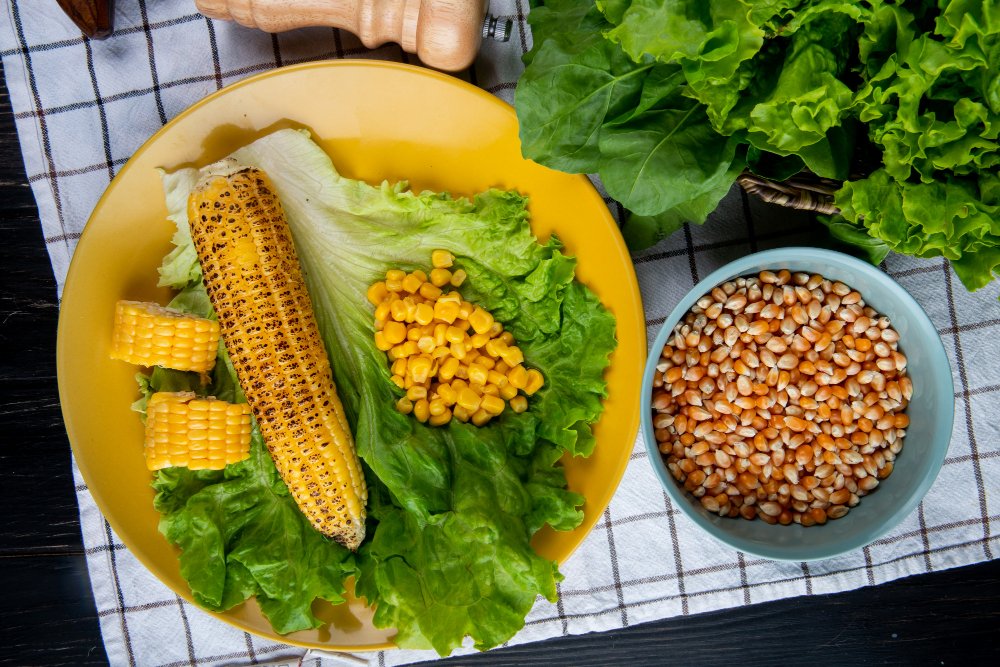
Maize also called corn sits at the center of one of the most common dietary questions among people managing diabetes. You see it at every meal table, in dozens of food products, and across global cuisines. So, can diabetic patients eat maize safely, or does it spike blood sugar too quickly to include in a diabetes-friendly diet?
The short answer: yes, diabetic patients can eat maize but with the right approach to portion size, preparation method, and the form of maize consumed. Let’s break it down properly.
What Is the Nutritional Profile of Maize?
Before making any dietary call, it helps to understand exactly what maize contains. According to the United States Department of Agriculture (USDA) FoodData Central database, one medium ear of sweet corn (approximately 90 grams, cooked) provides roughly:
- Calories: 99 kcal
- Carbohydrates: 21.6 g
- Dietary fiber: 2.4 g
- Protein: 3.5 g
- Fat: 1.5 g
- Sugars: 4.7 g
Maize contains B vitamins (especially thiamine and folate), magnesium, potassium, and antioxidants including lutein and zeaxanthin. The fiber content plays a role in how quickly carbohydrates from yellow maize enter the bloodstream a factor that matters directly for blood glucose management.
The Glycemic Index of Maize: What It Means for Diabetics
Here is why the glycemic index (GI) matters. The GI scale ranks foods from 0 to 100 based on how rapidly they raise blood glucose compared to pure glucose. Foods with a GI below 55 are considered low; 56–69 is medium; 70 and above is high.
Sweet corn has a GI of approximately 52, placing it in the low-to-medium range. Popcorn carries a GI of around 55–65 depending on preparation. Can we eat bajra roti at night Cornmeal or maize flour products, such as tortillas or porridge, can range higher, sometimes reaching a GI of 68–70 depending on how finely milled the grain is and what else gets added during cooking.
The glycemic load (GL), which accounts for both the GI and the actual carbohydrate content per serving, gives a more practical picture. One medium ear of corn has a GL of around 9–11, which remains moderate. This means a controlled portion of whole-kernel maize does not produce a dramatic glucose spike in most people with well-managed type 2 diabetes.
Source: American Diabetes Association, “Glycemic Index and Diabetes,” diabetes.org, 2023.
Can Diabetic Patients Eat Maize? Key Factors That Decide the Answer
The answer depends on four things. Let’s go through each one.
1. Form of Maize
Not all maize is equal from a blood sugar standpoint. Whole-kernel corn whether fresh, frozen, or boiled, retains its fiber and cellular structure, which slows glucose absorption. Processed forms like cornflakes, corn syrup, corn chips, or finely milled maize flour have had most of that structure removed. These products digest faster and push blood glucose up more sharply.
Here is a useful comparison:
| Maize Form | Approximate GI | Fiber Retained | Better for Diabetics? |
| Boiled whole corn (cob or kernel) | ~52 | Yes | Yes, in moderate portions |
| Popcorn (plain, air-popped) | ~55 | Moderate | Yes, in small portions |
| Cornmeal / Maize porridge | ~65–70 | Low | Consume carefully |
| Corn tortilla (traditional) | ~52 | Moderate | Yes, in small portions |
| Corn chips / cornflakes | ~70–80+ | Very low | Avoid or limit strictly |
| Corn syrup / corn starch | 100+ | None | Avoid |
CMS Industries, a leading agricultural grain supplier and exporter based in India, supplies multiple maize variants including whole yellow maize, white maize, broken maize, maize flour, and maize starch. The degree of processing matters enormously when choosing which form suits a diabetic diet.
2. Portion Size
Even with a moderate GI food, eating too much raises blood glucose. Most clinical dietitians suggest diabetic patients limit maize intake to around half a cup of cooked kernels (roughly 70–80 grams) or half a medium-sized cob per meal. Is roasted bajra good for health. This keeps the carbohydrate contribution to that meal at a manageable 15–20 grams.
Pairing maize with protein (like lentils, beans, or chicken), healthy fats (such as olive oil or avocado), or non-starchy vegetables further lowers the overall glycemic impact of the meal by slowing gastric emptying.
3. Type of Diabetes and Individual Blood Sugar Response
People with type 1 diabetes manage insulin dosing around carbohydrate intake and need to count corn’s carbohydrates precisely. Those with type 2 diabetes often find whole-kernel corn quite manageable in small amounts, while others with poorly controlled blood sugar may react more sharply.
Blood glucose responses are individual. The American Diabetes Association recommends that people monitor their blood glucose before and two hours after eating a new food to understand their personal response this applies to maize as well.
4. Preparation Method
Boiling corn on the cob or steaming whole kernels preserves fiber content and keeps the GI low. Frying, adding butter, sugar, salt, or cream common cooking additions changes the metabolic effect. High-fat additions slow digestion and may not spike blood sugar immediately, but can worsen insulin resistance over time. Keeping maize preparation simple (boiled, grilled, or steamed without excessive additives) is the safest approach for diabetic patients.
Nutritional Benefits of Maize That Support Diabetic Health
Maize is not just carbohydrates. Whole corn provides several nutrients that support metabolic health:
Dietary Fiber: Corn’s fiber slows carbohydrate digestion and helps manage post-meal blood glucose levels. Fiber also supports gut health, and research consistently links high-fiber diets with better long-term glycemic control in type 2 diabetics.
Antioxidants: Yellow corn contains lutein and zeaxanthin, carotenoid antioxidants linked to reduced oxidative stress. People with diabetes tend to have higher oxidative stress levels, so antioxidant-rich foods offer some protective benefit.
Magnesium: Corn contributes to magnesium intake. Magnesium plays a role in insulin sensitivity and glucose metabolism. Low magnesium levels have been associated with a higher risk of developing type 2 diabetes.
B Vitamins: Thiamine (B1) and folate support nerve function and cell health, both of which are relevant for diabetic patients who face risks of neuropathy and cardiovascular complications.
Maize vs. Other Grains: Where Does It Stand for Diabetics?
It helps to compare maize to commonly eaten grains:
- White rice carries a GI of around 72–73 notably higher than whole corn.
- White wheat bread has a GI of approximately 70–75.
- Whole wheat drops to around 50–55.
- Boiled corn sits at approximately 52.
- Barley carries one of the lowest GI scores among grains at around 22–28.
Whole corn holds up reasonably well against refined grains. It ranks better than white rice and white bread for glycemic response, making it a more suitable choice for blood glucose management as long as portions remain controlled.
Maize Forms to Prioritize and Avoid
Better Choices for Diabetic Patients
- Boiled or steamed whole corn kernels — moderate GI, fiber intact
- Air-popped popcorn (plain) — small portions, good fiber
- Traditional corn tortillas — made from whole masa, moderate GI
- Whole cornmeal in small amounts — watch portion size
Forms to Limit or Avoid
- Cornflakes and processed corn cereals — high GI, low fiber
- Corn chips and fried corn snacks — high GI, high fat
- Corn syrup and sweetened corn products — extremely high glycemic impact
- Highly refined maize flour used in packaged snacks and baked goods
CMS Industries supplies both yellow and white maize in whole and broken forms, as well as maize flour and maize starch. Whole-kernel maize and coarsely ground forms retain more fiber than finely milled flour or starch derivatives, making the source and processing degree worth considering when selecting maize for dietary use.
How to Include Maize in a Diabetic Meal Plan
Follow these steps to include corn without disrupting blood glucose management:
- Start with half a cup. Measure out roughly 70–80 grams of cooked kernels and observe your glucose response over two hours.
- Pair with protein and fiber. Add black beans, grilled chicken, or a side salad to slow carbohydrate absorption.
- Choose whole forms. Stick to boiled corn on the cob, plain air-popped popcorn, or whole-grain corn tortillas.
- Avoid toppings that add sugar or refined starch. Skip sugary sauces, sweet butter spreads, and cream-based additions.
- Count the carbohydrates. One medium ear of corn contributes approximately 21 grams of carbohydrate factor this into your meal’s total carb count.
- Check your glucose. Test before eating and again two hours after to understand your individual response.
- Speak with a registered dietitian. Personalized guidance accounts for your medications, activity level, and current blood glucose trends.
The Role of Quality Maize in Overall Nutrition
The quality of the grain itself also matters. Freshly harvested maize stored correctly retains more of its nutrients than degraded or poorly stored grain. Organizations like CMS Industries, which operates as a grain supplier and exporter handling yellow maize, white maize, and related products, work with quality standards that matter at both the agricultural and consumer nutrition level. While the final food product depends on preparation, starting with quality grain means better nutritional content from the outset.
Frequently Asked Questions
1. Is maize good for diabetic patients to eat every day?
Eating maize daily is possible for diabetic patients if portions stay small around half a cup of cooked kernels and the preparation method is simple (boiled or grilled). Daily consumption of processed maize products like cornflakes or chips is not advisable. Monitor blood glucose after eating and adjust frequency based on your individual response and your doctor’s guidance.
2. Does eating corn raise blood sugar significantly?
Whole corn has a moderate glycemic index of around 52, so it raises blood sugar less sharply than white rice or white bread. The blood sugar impact depends on portion size, how the corn is prepared, and what else gets eaten in the same meal. Pairing corn with protein and vegetables reduces the overall glycemic effect of the meal.
3. Can diabetics eat maize flour (cornmeal) products?
Maize flour products like cornbread, tortillas, or porridge can fit into a diabetic diet in small portions. Finely milled maize flour has a higher GI than whole-kernel corn, so smaller servings matter more here. Traditional stone-ground cornmeal retains more fiber and nutrients than highly refined flour, making it a better choice.
4. Which is better for diabetes yellow maize or white maize?
Both yellow and white maize have similar carbohydrate content and glycemic profiles. Yellow maize contains higher levels of beta-carotene and antioxidants like lutein, offering a slight nutritional edge. White maize has a milder flavor and is widely used in traditional foods. Neither is dramatically superior for blood sugar control; both require portion awareness.
5. What is the recommended serving size of maize for a diabetic person?
Most registered dietitians suggest diabetic patients limit maize to about half a cup of cooked kernels (70–80 grams) or half a medium cob per meal. This delivers roughly 10–12 grams of net carbohydrates after accounting for fiber. Staying within this range keeps maize compatible with most diabetic meal plans without causing excessive glucose elevation.