
If you’ve grown up in South India, it’s quite possible that you’ve been pushed a glass of ragi java by someone in your family at some point, usually accompanied by the line, “It’s good for health.” However, good health can mean different things, depending on what you want to accomplish. So, does ragi java cause weight gain, or does it help you lose weight?
The truth is, it can be either one, depending on how you make it and how much you drink. Let’s do the math correctly, with real nutrition numbers and not guessing.
What Is Ragi Java, Exactly?
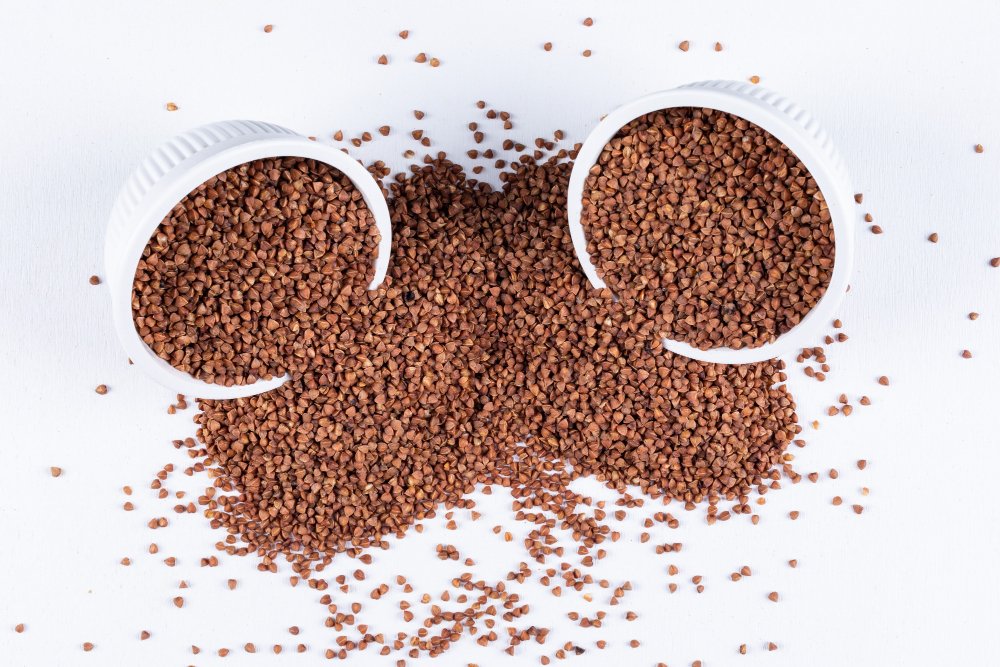
Ragi seeds Java is a traditional beverage of a porridge style prepared from finger millet flour, cooked or fermented, and mixed with buttermilk or water. For generations, it has been a breakfast drink or evening cooler for families in Karnataka and parts of Andhra Pradesh. The basic recipe is simple – ragi flour cooked in water and then thinned out with buttermilk, salt, and sometimes a little ginger or curry leaves for flavour.
That base version is light and low-cal. But many households and even packaged brands add jaggery, sugar, milk, ghee, or dry fruits to the mix. It is this one change that really determines if your glass of ragi java is aiding in weight gain or weight loss.
Ragi Nutrition Facts You Should Know First
Before we check if ragi java causes weight gain, it’s worthwhile knowing what ragi flour itself has to offer. According to the Indian Food Composition Tables (IFCT 2017) published by ICMR-National Institute of Nutrition, 100 grams of raw ragi (finger millet) contains:
- Calories: ~320 to 336 kcal.
- Protein: ~7.3 g
- Carbohydrates: 66–72 g
- Dietary fibre: 11g
- Fat: ~1.5 grams
- Calcium: 344 mg. More than any of the common cereals.
- Iron: nearly 3.9 mg
- Source: Indian Food Composition Tables (IFCT), National Institute of Nutrition, ICMR, 2017
The Food Safety and Standards Authority of India’s Eat Right India campaign also states that millets, including ragi, are naturally gluten-free, low in fat, and rich in fibre and minerals like iron, zinc, and calcium (Eat Right India, “Millets – Nutritious Cereal of India”, FSSAI, 2023).
That said, a glass of ragi java is not equivalent to 100 grams of dry ragi flour. A typical serving requires just 2 to 3 tablespoons of flour, so the calorie count and when babies eat ragi per glass is usually much lower, somewhere between 60 and 120 calories for a plain, unsweetened version.
So, Does Ragi Java Increase Weight?
The short answer is this: plain ragi java made only with flour, water or buttermilk, and salt is unlikely to cause weight gain by itself. It’s in the same ballpark as a light snack or a drink between meals. But add sugar, full-fat milk, jaggery, ghee, or banana to it on a regular basis, and the calorie count climbs rapidly, which can aid weight gain over time.
How Ragi Java Can Support Weight Gain
If you want to gain weight in a healthy way, ragi java can be a good option if you add calorie-rich ingredients to it:
- Instead of water or buttermilk, use whole milk.
- Add a spoon of ghee or add a handful of soaked dry fruits like almonds and dates.
- Add in jaggery or ripe banana for natural sugars and extra calories.
- You should drink it as a complement to your normal meals, not as a substitute for them.
Such a glass can easily contain more than 250-300 calories, and this can add up if you have it once or twice a day as part of your regular diet.
How Ragi Java Can Support Weight Loss Insteadfull-cream
On the flip side, the same drink can actually help with weight management if you make it a bit differently:
- Use water or low-fat buttermilk as a base.
- Avoid the sugar and jaggery.
- Keep portions moderate: one glass instead of two or three.
- Take it between meals so it will curb hunger without a heavy calorie load.
According to a study published in the National Institutes of Health’s PubMed Central database, finger millet’s high fibre content slows down digestion and helps you feel full, which can help prevent overeating later in the day (PMC, “Anti-diabetic prospects of dietary bioactives of millets”, National Center for Biotechnology Information, NIH). When eaten and benefits of eating ragi whole, ragi also gives a lower glycaemic response compared to refined grains. That is why nutritionists often recommend it for people who are managing both blood sugar and weight.
What You Add to Ragi Java Matters More Than Ragi Itself
This is the part that most people miss. There is no single answer to the question “Does ragi java increase weight?” because ragi flour is a pretty neutral, moderate-calorie ingredient on its own. The tipping point is the liquid base, the sweetener, and the extra toppings you go for.
Like tea. A simple cup of tea has very few calories. Add two spoons of sugar and full cream milk, and you have changed the picture entirely. The same is true for Ragi Java.
To put this in plain sight, here’s a quick comparison:
| Version | Approx. Calories per Glass | Effect |
| Water-based, no sugar | 60-90 kcal | Supports weight management |
| Buttermilk-based, no sugar | 80-110 kcal | Neutral to supportive of weight loss |
| Milk-based with jaggery | 200-260 kcal | Can support weight gain |
| Milk-based with ghee and dry fruits | 280-320+ kcal | Supports weight gain |
How to Prepare Ragi Java Based on Your Goal
If you are looking to lose weight:
- Roast 2 tbsp ragi flour lightly.
- Cook in 1 cup of water until slightly thickened.
- Cool and blend with low-fat buttermilk, a pinch of salt, and curry leaves.
- Have it 30 minutes before a meal to help control portion size.
If you want to gain weight:
- Use full-fat milk instead of water to cook ragi flour.
- When it is slightly cooled, add a tsp of ghee.
- Add jaggery or mashed banana for natural sweetness and calories.
- Drink it with your normal meals as an extra drink, not a substitute.
Either way, ragi is a good source of fibre, calcium, and iron, so you will get nutritional value from whichever version you go for.
Where Good Quality Ragi Actually Comes From
The health benefits you derive from ragi java will depend quite a bit on the quality of the grain you begin with. Poorly cleaned or old stocks may change in taste and nutrient value. This is where sourcing matters, especially for food brands, hostels, and health product manufacturers working on finger millet at scale.
CMS Industries is a manufacturer, supplier, and exporter of agricultural grains, including finger millet (ragi) seeds, as well as a wide range of grains, pulses, spices, and oil seeds sourced from across India. If your business requires a continuous supply of sortex-cleaned ragi for flour milling, health food processing, or export orders, dealing with a trusted supplier such as CMS Industries can make quality control at volume levels easier.
None of this changes your recipe if you’re a home cook just making a glass of ragi java for breakfast. But it does explain why grain quality and sourcing become a real consideration when ragi leaves home kitchens and enters the realm of commercial food production.
Final Thoughts
Here, the real villain or hero is not the ragi java. It is a flexible, fibre-rich beverage that can go either way depending on what you mix it with. Water or buttermilk, no added sugar, if you want to manage or lose weight. If you are trying to gain weight healthily, then build it up with milk, ghee, and jaggery. Either way, you’re getting a grain that’s been part of Indian diets for centuries, with real nutrition data on fibre, calcium, and iron content.
Frequently Asked Questions
- Does drinking ragi java daily cause weight gain?
Not by itself. Plain ragi java cooked with water or buttermilk is low in calories. The added sugar, jaggery, milk, or ghee mixed into the drink and not the ragi flour itself is responsible for the daily weight gain.
- Is ragi java good for weight loss?
Yes, if you make it without added sugar and serve it with water or buttermilk. The fibre content also helps you feel fuller for longer, which could mean less snacking and steady weight loss as part of a balanced diet.
- What is the best time to drink ragi java for weight management?
Lots of people drink it in the morning or 20 to 30 minutes before a meal. This means the fibre content can help you feel full without adding a lot of calories to your day.
- Can ragi java replace a meal?
It can be a snack substitute (in a light version) but should not be a substitute for a full meal on a regular basis. A balanced plate of vegetables, protein, and grains together does not have the nutrient variety that ragi java has.
- Is ragi java safe for people with diabetes?
Ragi is known to give a lower glycaemic response than refined grains and is a common food item in the diet of many diabetic people. Don’t add sugar or jaggery to the java, and consult a doctor for dietary advice as per your personal requirements.