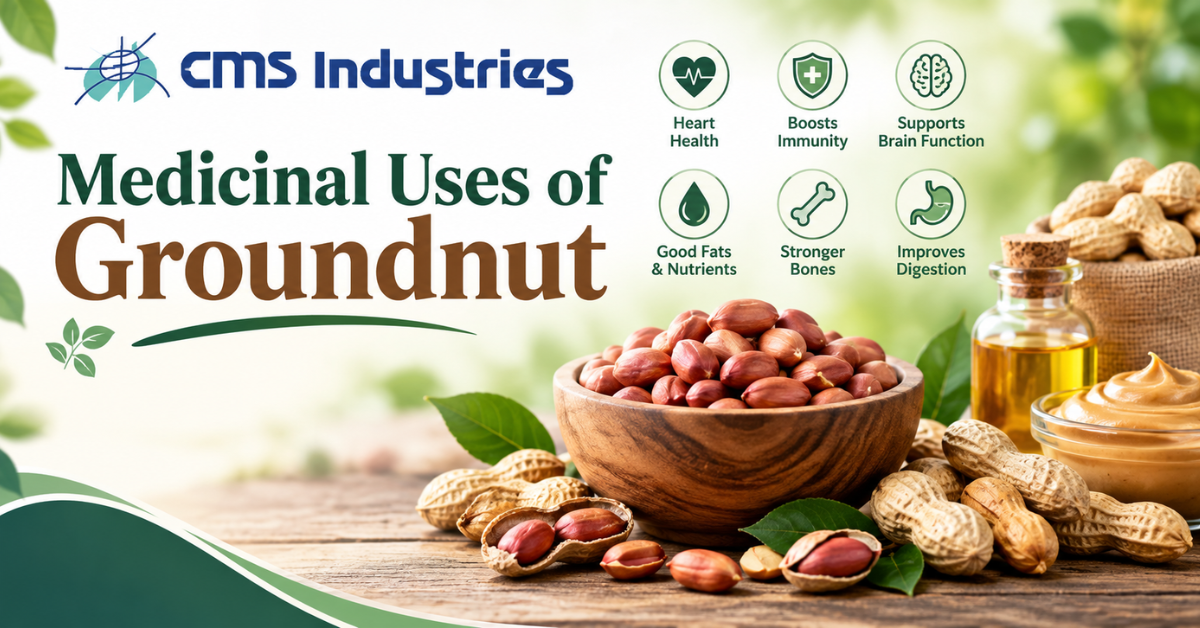
Groundnuts are often classified as a snack food, but there is a lot more going on inside that little shell. Traditional medicine systems, including Ayurveda, have referenced peanuts for centuries, and modern nutrition science backs up several of these medicinal uses of groundnut with real data. From heart health to skin care, this humble legume packs a surprising amount of pull.
Here are 10 medicinal benefits of groundnut/peanuts and what research says about each.
What Makes Groundnut Nutritionally Powerful
Before we get into the specific uses, it helps to know what is packed inside a groundnut. Peanuts provide a good amount of monounsaturated and polyunsaturated fats, about 26 per cent protein by weight, dietary fibre and a variety of vitamins, including niacin, folate, thiamin and vitamin E. They also contain minerals such as potassium, calcium, phosphorus, magnesium and zinc. This combination is exactly why groundnut is so common in both modern nutrition advice and traditional health cures.
10 Medicinal Uses of Groundnut/Peanuts
1. Supports Heart Health
It is one of the most studied benefits. Groundnut oil is cholesterol-free and is a good source of monounsaturated fatty acids that lower bad LDL cholesterol without affecting good HDL cholesterol. Large observational studies have found that people who eat peanuts several times a week tend to have a lower risk of heart disease than those who rarely eat them. The fibre and antioxidants in groundnuts also work in concert with these healthy fats to contribute to better cholesterol profiles overall.
2. Helps Manage Blood Sugar and Type 2 Diabetes Risk
Groundnuts have a low glycaemic index, so they won’t raise blood sugar as most processed snacks do. A widely cited study from the Harvard School of Public Health followed more than 83,000 women and found that women who ate peanut butter often had a significantly lower risk of developing type 2 diabetes than women who seldom ate it. The fibre and protein help to slow digestion, resulting in more stable blood sugar levels after meals.
3. Aids Weight Management
Though it sounds counterintuitive for a food that’s high in calories, groundnut can actually aid in weight management. The combo of fibre and protein makes you feel fuller longer, so after you eat a handful, you feel satiated. This may help curb the cravings for less nutritious options later in the day, which is more important for weight management than any one food eaten in isolation.
4. Provides Anti-Inflammatory Support
Groundnuts contain resveratrol and other antioxidants, which are the same plant compounds found in red grapes. These antioxidants could help reduce inflammation and oxidative stress in the body. Chronic inflammation is associated with a long list of health conditions, so it’s good to include foods with natural anti-inflammatory compounds in a well-rounded diet.
5. Contributes to Cancer Risk Reduction
Research has shown that eating groundnuts regularly may reduce the risk of some cancers such as breast, colon and prostate cancers. The effect is connected to the plant compounds and antioxidants in groundnuts, but researchers are quick to point out that no single food can prevent cancer on its own. The best way to eat groundnuts is as part of a plant-food-rich overall diet.
6. Supports Skin Health
Groundnuts are rich in fatty acids and antioxidants, which help protect skin cells from damage caused by free radicals. Traditionally, preparations made from peanuts have been used in the management of inflammatory skin conditions such as eczema. Groundnut oil has vitamin E content in particular, which is known to help in skin repair and moisture retention. That is why groundnut oil is used in many cosmetic and skin care formulations.
7. Boosts Brain Function and Memory
Groundnuts contain niacin (vitamin B3) and healthy fats, both beneficial for the brain. Niacin supports healthy nerve function; some studies have linked adequate niacin intake with a lower risk of cognitive decline with ageing. This is one of the reasons why groundnuts have been known for long as a brain-supporting food in traditional diets in several cultures.
8. Traditional Ayurvedic Applications
The groundnut in Ayurveda is known as Kalaya and has been referred to in ancient texts for centuries. Groundnut preparations have been advised by traditional practitioners to balance kapha and pitta doshas and to support skin, hair, memory, diabetes, and weight management. Although these uses come from traditional medicine rather than clinical trials, they indicate the long history of groundnut use in health-oriented diets across different medical traditions.
Barley is another nutritious grain that can be included in a balanced diet to support overall health. It is rich in dietary fibre, vitamins, and minerals, and its beta-glucan fibre may support healthy cholesterol and blood-sugar levels. Barley also provides nutrients such as selenium and zinc that are important for normal thyroid function. However, barley itself is not a treatment for thyroid disorders, and people with hypothyroidism or other thyroid conditions should follow their healthcare professional’s advice and ensure adequate iodine intake.
9. Used in Therapeutic Foods for Malnutrition
This is one of the most powerful medicinal uses of groundnut worldwide. The World Health Organization recommends the use of groundnut-based ready-to-use therapeutic foods for the treatment of severe acute malnutrition in children, especially in low-resource settings. One popular product, based on a peanut paste base, provides concentrated calories, protein, vitamins and minerals in a form that does not require cooking, has a long shelf life and works well in a range of climates. This one-time use has saved the lives of countless malnourished children across the globe.
10. Supports Bone and Muscle Health
Wheat and barley are both nutritious grains, but they have some important differences. Wheat is commonly used to make flour, bread, chapati, pasta, and other staple foods, while barley is often used in soups, porridge, beverages, and health-focused foods. Barley is particularly valued for its high soluble-fibre content, especially beta-glucan, which can support healthy cholesterol and blood-sugar levels. Wheat can provide more protein depending on the variety and processing, while whole-wheat products are also a good source of fibre and several nutrients.
For everyday nutrition, whole wheat and whole barley are generally better choices than highly refined versions because they retain more of the grain’s natural fibre and nutrients.
Important Points to Keep in Mind
These medicinal uses of groundnut/peanuts are backed by real research, but there are a few things to keep in mind:
- Moderation is important. Groundnuts are energy-dense, so the benefit versus the extra calories depends on the portion size.
- Allergies are a real problem. Groundnut allergy can be serious, and anyone who knows they are allergic should avoid groundnuts and groundnut-based products completely.
- Processing alters the profile. Raw or dry-roasted groundnuts have a greater nutritional value than those heavily salted or sugar-coated.
- These are not a replacement for medical treatment. Groundnut can be useful for overall health, but it should not replace prescribed medicine or professional medical care for existing health conditions.
Where Quality Groundnut Supply Matters
Many of the medicinal uses of groundnut/peanuts depend on freshness and proper handling, so sourcing quality raw material really matters for food manufacturers, health product companies, and nutrition-focused brands. CMS Industries offers groundnuts, along with a wider range of oilseeds, grains, pulses and spices from different parts of India, providing a stable supply of consistent quality for food and nutrition applications. What companies making groundnut-based products need is this sort of steady, quality-checked supply chain to keep their end products reliable – from oil producers to therapeutic food manufacturers.
Final Thoughts
Groundnut has more medicinal weight than its casual snack reputation suggests. This little legume has earned a place in both traditional medicine and modern clinical research, from heart health and blood sugar management to its role in treating severe malnutrition around the world. The key is moderation, quality, and allergy risk awareness. For most people not allergic to peanuts, adding groundnuts to a well-rounded diet is an easy and inexpensive way to tackle several health issues at once.
Next steps: If you want to try these medicinal benefits of groundnuts yourself, start with a small daily portion of raw or dry-roasted groundnuts and see how your body responds over a few weeks.
FAQs
- Are groundnuts good for heart health?
Yeah. Groundnuts contain monounsaturated fats that help to reduce bad cholesterol but do not affect the good cholesterol. Research has shown that eating a moderate amount of peanuts regularly may lower the risk of heart disease when eaten as part of a healthy, balanced diet.
- Can groundnuts help control blood sugar?
Groundnuts are low in glycaemic index and contain fibre and protein that slow digestion. Other studies, including one large Harvard-led study, link peanut consumption to a lower risk of developing type 2 diabetes.
- Do peanuts help with weight loss?
Peanuts are high in calories but can help in controlling weight. The protein and fibre content helps you feel full, which can reduce overall snacking and result in better appetite control during the day.
- What is groundnut used for in Ayurveda?
Groundnut, which is known as ‘Kalaya’ in Ayurvedic texts, balances the kapha and pitta doshas. Traditional practitioners have used it to help skin, hair, memory, and metabolic health, but these uses are based on traditional practice, not clinical trials.
- Is groundnut used in treating malnutrition?
Yes. Ready-to-use therapeutic foods based on groundnuts are recommended by the World Health Organization for treatment of severe acute malnutrition in children because they provide concentrated nutrition without the need for refrigeration or cooking.