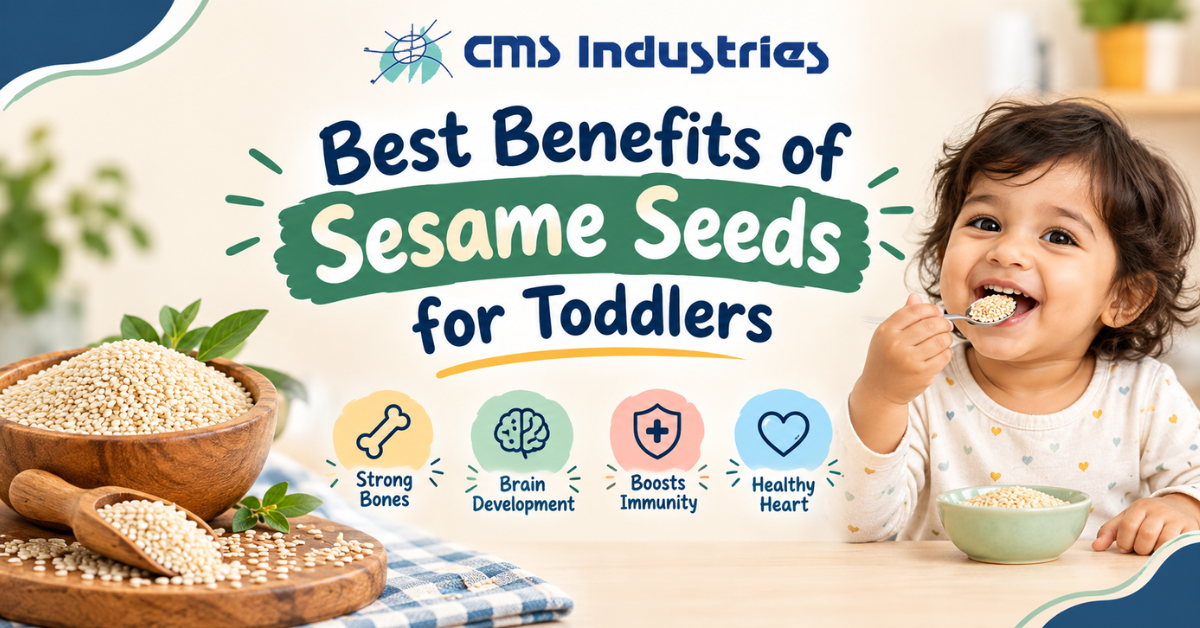
Toddlers are famously picky eaters, and it can feel like a small battle to get enough calcium, iron, and healthy fat into their daily meals. Sesame seeds are easy to forget but pack a nutritional punch for growing children. So what are the benefits of sesame seeds for toddlers, and how can you serve them safely? Let’s break it down, including the nutrition and safety steps every parent should know before adding sesame to a toddler’s plate.
Why Sesame Seeds Are Worth Adding to a Toddler’s Diet
Sesame seeds are very small but are packed with nutrients that toddlers often need more of, such as calcium, iron, zinc, and healthy fats. Sesame is packed with nutrients babies and toddlers need to thrive, including B vitamins, folate, copper, magnesium, manganese, phosphorus and selenium, according to paediatric nutrition guidance from organisations like Solid Starts. So sesame seeds are a really useful addition to a toddler’s meal rotation, as long as they are served safely.
10 Benefits of Sesame Seeds for Toddlers
1. Supports Bone Development
Sesame seeds for skin are a good source of calcium, an important mineral for strong bones and teeth in the rapid growth years of toddlerhood. Sesame seeds (often in the form of tahini) are also a plant-based way to help fill this nutritional gap for toddlers who do not drink much dairy milk or have a limited diet.
2. Helps Prevent Iron Deficiency
Iron is one of the most commonly lacking nutrients in toddler diets, and sesame seeds are a good source. Iron is important for your toddler to make healthy blood and to help brain development when the brain is growing quickly.
3. Provides Healthy Fats for Brain Development
Sesame is one of the most oil-rich seeds and is loaded with healthy fats, as well as lignans and phytosterols. These fats are important for brain development, especially during the toddler years when the brain grows so fast.
4. Contributes Plant-Based Protein
Sesame seeds are a great source of protein, which promotes muscle growth and development in general. Sesame complements the daily protein intake of toddlers on a more plant-forward diet in a format that can easily be added to familiar foods such as yoghurt or muesli.
5. Adds Zinc for Immune Support
Another nutrient that may be low in toddler diets is zinc. It’s important for immune function and growth. Sesame seeds offer a helpful dose of zinc, which is good for a toddler’s developing immune system at a time when they are constantly encountering new germs.
6. Supports Digestive Health with Fibre
Sesame seeds good for pregnancy are a good source of dietary fibre to help with healthy digestion. That said, introduce fibre-rich foods gradually, because too much, too quickly, can sometimes cause mild tummy upset or looser stools in sensitive toddlers.
7. May Help Reduce Sesame Allergy Risk with Early Introduction
The advantage is more in the long-term prevention than in the immediate nutrition. Preliminary research in paediatrics suggests that early and regular exposure to sesame, usually about 6 months of age and under medical supervision, may decrease the risk of developing a sesame allergy later in life. This is similar to current guidance for peanut introduction.
8. Easy to Blend into Everyday Toddler Meals
Tahini is a paste of ground sesame seeds, and it’s easy to stir into foods that toddlers already eat, like yoghurt, mashed vegetables, muesli, or a drizzle over soft-cooked proteins. This makes sesame one of the more practical nutrient-dense additions for parents trying to boost a toddler’s meal without an entirely new food texture.
9. Supports Healthy Skin and Cell Function
Sesame seeds contain healthy fats, antioxidants, and minerals like copper, all of which help keep skin healthy and cells working properly during a time of rapid physical growth.
10. A Good Source of Manganese and Phosphorus
Sesame seeds are also a good source of the minerals manganese and phosphorus, both of which are involved in bone mineralisation and normal metabolic function. These minerals may not be as well-known as calcium or iron, but they team up with the others to make up a toddler’s complete nutrient picture.
Important Safety Guidance Before Serving Sesame to Toddlers
This is the portion that every parent should read carefully, because safety overrides any nutritional value on this list.
Never Serve Whole Sesame Seeds to Young Toddlers
Whole seeds such as sesame are a real choking hazard for babies and young children. Most paediatric feeding guidelines recommend not offering whole seeds and whole nuts until a child is at least 5 years of age. Instead, give sesame in a ground, blended or paste form appropriate for your child’s age and chewing skills.
Tahini Can Also Be a Choking Risk
A thick blob of sesame paste, though safer than whole seeds, can make a sticky glob in a toddler’s mouth and increase choking risk. To offset this, thin tahini with water, yoghurt, or fruit purée and spread it thinly rather than serving it in a thick spoonful.
Introduce Sesame as a Known Allergen, One Step at a Time
Sesame is considered a major food allergen in many countries. If your toddler has never had sesame before, then introduce it in a small amount first and watch them for a couple of hours before offering slightly larger amounts over the next few days. Watch for signs of an allergic reaction, like a rash; hives; swelling of the face, lips, tongue, or throat; trouble breathing; or vomiting. Get medical help right away if any of these happen.
Talk to Your Paediatrician First, Especially With a Family Allergy History
If you have a family history of food allergies, or if your toddler has an allergy to another food, talk to your paediatrician before introducing sesame. They may recommend a certain plan for introduction or, in some cases, allergy testing beforehand.
Supervise Every Meal
Choking and allergic reactions can both develop quickly and require immediate attention, so any toddler, whether served tahini, sesame-topped foods, or ground sesame mixed into a dish, should be under active adult supervision at arm’s length during meals.
Simple Ways to Serve Sesame Seeds to Toddlers
- Stir a small amount of tahini into plain yoghurt or muesli.
- Mix ground sesame seeds into a soft puree or a smoothie.
- Pour a thin layer of tahini over soft-cooked vegetables or chicken.
- For a topping, add ground sesame to mashed sweet potato or avocado.
- Add tahini to homemade hummus and thin it out to a consistency that works for dipping soft foods.
Keep portions small and age-appropriate, and skip whole roasted sesame seeds and thick sesame candy, both of which present an unnecessary choking hazard for toddlers.
Sourcing Quality Sesame Seeds for Family Use
Even at the household level, sourcing matters. How much value sesame seeds actually add to a toddler’s diet depends on their nutrient quality and freshness. CMS Industries offers a wide selection of sesame seed varieties, including natural, hulled, roasted, black, and white sesame seeds, as well as other oilseeds, grains, and pulses from across India. For families and food brands seeking consistent, well-processed sesame for baby food, tahini, or everyday cooking, partnering with a reliable oilseed supplier that guarantees quality from harvest to processing is key.
Final Thoughts
Sesame seeds’ benefits for toddlers are real, from bone health, iron intake, healthy fats, and even long-term allergy prevention when introduced properly. Nutrition is only part of the picture, however. Safe preparation, appropriate serving forms, and cautious allergen introduction are as important as the nutrients themselves. When prepared the right way, by grinding into food or as thinned tahini rather than whole seeds, sesame can be a genuinely valuable addition to a toddler’s diet.
Next Steps: If you’re considering introducing sesame to your toddler, start with a small amount of tahini mixed into a familiar food, watch closely for any reaction, and check in with your paediatrician if your family has any history of food allergies.
FAQs
- At what age can toddlers eat sesame seeds?
Paediatric guidelines generally recommend the introduction of sesame in appropriate forms, such as tahini, as a complementary food around 6 months of age. Avoid whole sesame seeds until 5 years old at least due to the choking hazard.
- Can whole sesame seeds cause choking in toddlers?
Yes. It’s a real choking hazard for young kids. Whole seeds like sesame seeds are small and hard. Ground sesame or thinned tahini provides the same nutrition in a safer form.
- Is sesame a common allergen for toddlers?
Yes, sesame is recognised as a major food allergen in several countries. It should be administered very carefully, in small quantities, and monitored closely afterward for allergic reactions.
- What is the best way to give sesame seeds to a toddler?
Mixed with water, yoghurt or mashed fruit, tahini is one of the safest and simplest ways to serve sesame to toddlers. Also good are ground sesame seeds, stirred into purees or muesli.
- Do sesame seeds help with iron and calcium intake in toddlers?
Yes. Sesame seeds are a good source of iron and calcium, two nutrients that are often lacking in the diets of toddlers. This makes them a great bonus for parents looking to supplement their kids’ daily diet.