
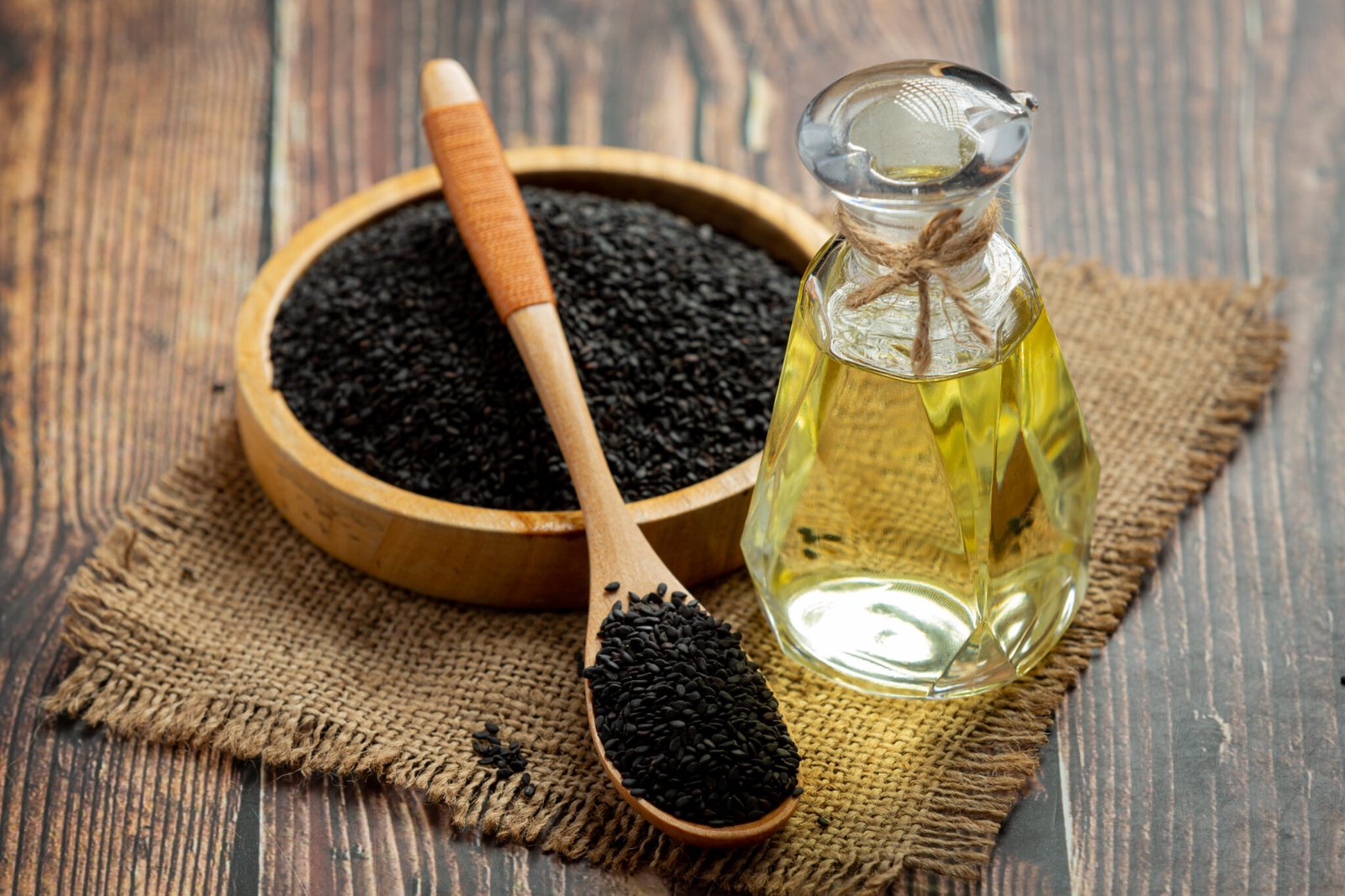
Black sesame seeds have been quietly sitting in kitchen cupboards and traditional medicine cabinets alike for centuries, and modern research is finally catching up to what older food cultures already knew. These tiny seeds are a good source of calcium, iron, zinc, healthy fats, and plant compounds called lignans, all in every spoonful. We cover the complete picture below on black sesame seeds’ benefits for female and male health with nutrition data and clinical research, not just tradition.
What Makes Black Sesame Seeds Different
Black sesame seeds come from the same plant as the more familiar white sesame, Sesamum indicum, but their seed coat is darker and has more antioxidant compounds. A comparison of the two showed that black sesame seeds have more phenolic compounds and higher amounts of calcium, iron, and magnesium than white sesame seeds (News-Medical, “Black Sesame Seeds: Evidence-Based Health Benefits and Modern Uses,” 2025). That darker coat is doing more nutritional work than most people understand.
Quick Nutrition Snapshot (per 2 tablespoons)
- 3 to 4 g of monounsaturated and polyunsaturated fats
- A good source of dietary fibre and protein
- Copper, Zinc, Iron, Calcium, Magnesium, Phosphorous
- B vitamins (B1, B6 and E)
General Health Benefits (Apply to Both Men and Women)
1. Supports Heart Health
Black sesame seeds are packed with unsaturated fats, which are known to help reduce LDL cholesterol and support the healthy functioning of blood vessels (HealthifyMe, “Black Sesame Seeds are good for hair growth: Everything You Should Know,” 2026). A wider review of sesame research also found that regular consumption of sesame seeds was linked to antihypertensive properties (ScienceDirect, “Black sesame seeds: Nutritional value, health benefits, and food industrial applications”, 2024).
2. Rich Source of Antioxidants
Black vs white sesame seeds which one should buy have lignans like sesamin and sesamol, which are antioxidants that fight oxidative stress in the body (News-Medical, 2025). Oxidative stress plays a role in ageing and some chronic diseases, which emphasises the importance of regular antioxidant intake in the diet over time.
3. May Support Blood Sugar Control
Black sesame seeds may play a role in improving insulin sensitivity, which could benefit those managing blood sugar or working to reduce their risk of diabetes (HealthifyMe, 2026). The effect seems to be a combination of the fibre content and antioxidant compounds of the seed.
4. Strengthens Bones
Black sesame seeds are packed with calcium, which is great for your bones and can help prevent them from degrading as you age (HealthifyMe, 2026). Sesame seeds are also anti-inflammatory and osteoprotective and provide calcium, according to a review on postmenopausal bone health (ResearchGate, “Incorporation of Fenugreek and Sesame Seeds for Alleviation of Menopausal Symptoms,” 2015).
5. Promotes Healthy Hair
Black sesame seeds have been used in traditional practice to support hair growth and slow premature greying for a long time, and research is starting to explain why: the seed’s fatty acids and antioxidant compounds nourish hair follicles from the inside (News-Medical, 2025).
6. Improves Skin Elasticity
Research into skin elasticity and moisture retention also shows the same nutrients that support hair health, healthy fats, vitamin E, and antioxidants (News-Medical, 2025). Some research on topical sesame oil suggests it might even block some of the damaging UV rays. (Healthline, “Black Sesame Seeds: Nutrition, Benefits, and More,” 2020)
7. Supports Digestive Health
Black sesame seeds are loaded with a much-overlooked nutrient called fibre, which helps directly with regular digestion. The seeds also contain lignans, which have demonstrated prebiotic properties that encourage good gut bacteria (Substack, “The Amazing Benefits of Black Sesame Seeds,” 2025).
8. Offers Anti-Inflammatory Protection
Laboratory research has shown that sesamin and other lignans have anti-inflammatory effects, which is why black sesame seeds are found in traditional treatments for joint and tissue health (ScienceDirect, 2024).
9. Contains Cancer-Protective Compounds
Preliminary studies indicate that sesamin may inhibit the growth of certain cancer cells in vitro, and sesame oil rich in related compounds has demonstrated protective effects against oxidative stress related to tumour development (Substack, 2025). This research is still in development, and the seeds should not be considered a treatment or cure.
10. Supports Brain Function
Black sesame seeds are rich in omega-3 and omega-6 fatty acids, both of which are associated with cognitive function, memory, and mood support (Substack, 2025). The neuroprotective effects were also found in a broader nutritional study related to the bioactive compounds of the seed (PMC, “Identification of Nutritional Components in Black Sesame”, 2019).
Benefits of Black Sesame Seeds for Female Health
11. May Support Hormonal Balance During Menopause
In a randomised placebo-controlled crossover trial, postmenopausal women were given 50 grams of sesame seed powder daily for five weeks, and it was found to increase sex hormone-binding globulin by 15 per cent and decrease DHEA, a hormone precursor, by 18 per cent (ScienceDirect, “Sesame Ingestion Affects Sex Hormones, Antioxidant Status, and Blood Lipids in Postmenopausal Women,” 2006). They also didn’t see any change in oestrogen or FSH levels. So the effect seems to be specific to certain hormone pathways, not a general oestrogen boost.
12. May Ease Menopausal Bone Loss
A 2006 ScienceDirect study also found that in postmenopausal women, sesame supplementation improved cholesterol markers and reduced oxidative stress, along with effects on bone-related hormone pathways. Animal studies on sesame oil have also demonstrated protective effects on bone mineral density after oestrogen decline, but human trials on whole seeds are limited (Nature, “Daily supplement of sesame oil prevents postmenopausal osteoporosis,” 2024).
13. Traditionally Used to Support Menstrual Comfort
Sesame seeds are a common ingredient in seed cycling, a practice some women follow during different phases of the menstrual cycle. The zinc content is thought to help with hormone regulation and ovulation, although clinical evidence for seed cycling specifically is limited, and more research is needed (Healthline, “What Is Seed Cycling?,” 2019).
Benefits of Black Sesame Seeds for Male Health
14. Supports Sperm Health and Fertility
Zinc and selenium found in black sesame seeds are directly involved in sperm production and protecting sperm from oxidative damage, both of which are closely related to male fertility (Nutrition Geeks, “Sesame Seeds Benefits for Male Vitality,” 2026). This pattern has been reflected in animal studies too. In one such trial, a diet supplemented with sesame improved sperm count, motility, and testicular parameters in male rats over 60 days (Sarem Journal of Medical Research, “Effect of diet containing sesame seeds on testis and prostate of adult Wistar rats”, 2022).
15. May Support Healthy Testosterone Levels
Zinc is essential for the production of luteinising hormone, which tells the testes to produce testosterone, and a zinc deficiency has been linked to lower testosterone levels (Advance Study, “Do Sesame Seeds Increase Testosterone?”, 2026). Interestingly, the picture is more complicated in women, with a single study finding sesame intake actually increased SHBG and decreased free androgen levels (Biology Insights, “Do Sesame Seeds Lower Testosterone?”, 2025). Thus, sesame seeds seem to help nudge hormone levels toward balance, rather than forcing them in one set direction. Results depend on sex, dose, and whether whole seeds or concentrated extracts are used. Anyone with a health issue related to hormones should see a doctor rather than just diet.
How to Add Black Sesame Seeds to Your Diet
- Sprinkle roasted seeds on rice, salad, or stir-fried vegetables.
- Use them to make a paste for dressings or spreads.
- Add to baked goods like bread or crackers for a nutty crunch.
- Add to smoothies for a mild, earthy taste.
- Use in traditional recipes like til laddoo or sesame chutney.
Starting with a tablespoon or two daily makes sense for most healthy adults. Sesame is a known major food allergen, and anyone who has a sesame allergy should avoid the seeds altogether.
Sourcing Quality Sesame Seeds
From harvest to your kitchen, freshness is key to keeping the sesame seed’s natural oil and nutrients. CMS Industries is an agricultural exporter based in Gujarat, India, that supplies black sesame seeds in natural, roasted, and hulled forms to clients seeking consistent grain quality. When sourcing sesame seeds for a business or household in bulk, working with an established supplier like CMS Industries helps you avoid the guesswork that comes with unknown storage conditions.
The Bottom Line
Including black sesame seeds in your daily diet has numerous advantages for heart health, bone strength, skin, hair, and digestion. In addition to this common ground, studies have shown that hormone balance may have a specific effect on postmenopausal women and fertility support in men. The evidence base is still growing, particularly for the hormone-related claims, so consider black sesame seeds a nutrient-dense addition to a varied diet rather than a stand-alone remedy.
Frequently Asked Questions
Are black sesame seeds better than white sesame seeds?
In general, black sesame seeds have more phenolic compounds, calcium, iron and magnesium than white sesame seeds. Both are nutritious, but the darker seed coat has a higher concentration of antioxidant compounds.
Can black sesame seeds help with hormonal balance in women?
In postmenopausal women, research found that after five weeks of daily consumption, sesame seed powder increased sex hormone-binding globulin and decreased a hormone precursor, DHEAS. The results are promising but are based on a small study, so more research is needed.
Do black sesame seeds increase testosterone in men?
Zinc in sesame supports the hormone pathway for testosterone production (and some animal studies show improved sperm parameters). Whole seeds and testosterone specifically have few large-scale human trials.
How many black sesame seeds should I eat per day?
For most healthy adults, a tablespoon or two a day is good in a varied diet. There is no official daily target, so listen to your body and consult a doctor if you have specific health goals.
Can black sesame seeds cause allergic reactions?
“Yes, sir. Sesame is a common food allergen in many countries and can cause reactions that range from mild to severe. If you’re known to be allergic to sesame, it’s best to avoid black sesame seeds and any products containing them altogether.