If you search “brown rice vs unpolished rice”, you will find plenty of blog posts where the two are pitched against each other like separate products. Here’s the truth: Most of the time, they’re the same grain with two different names. But there are some real differences worth knowing before you buy your next bag. Let’s look at what is really happening.
Brown Rice Vs Unpolished Rice: Are They the Same Grain?
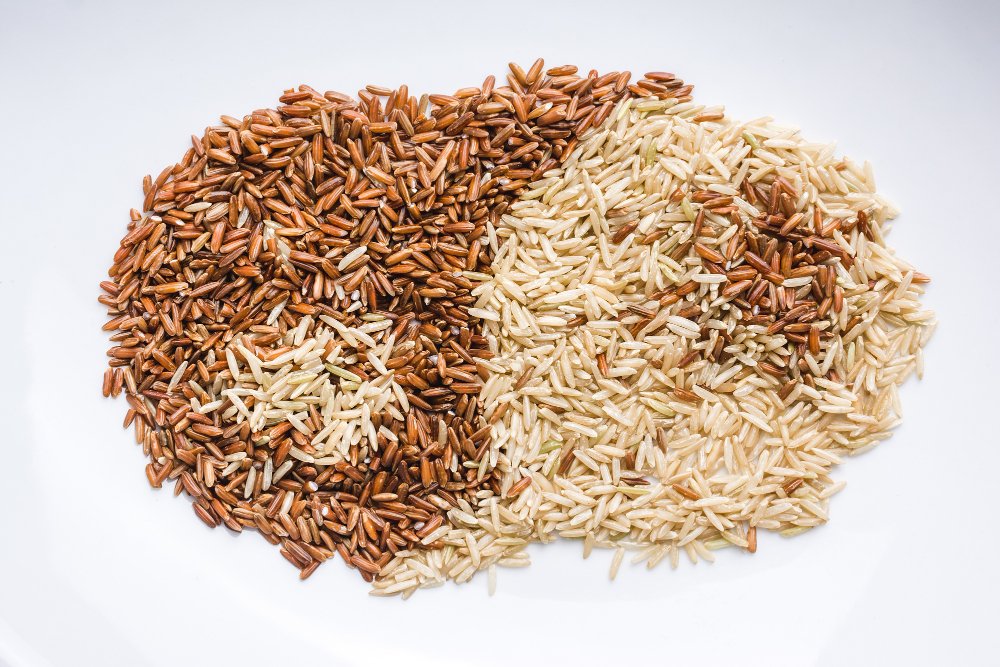
For the most part, yes. Brown rice is polished rice. When harvested paddy is hulled, the outer husk is removed, but the bran layer and germ remain on the grain. That grain is brown rice, which also is what most people mean when they say “unpolished rice” (Farm Fresh Bangalore, “Is brown rice unpolished rice?” 2025).
The difference in naming mostly comes down to context and region. In the West, it’s called “maize” by the grocers. In South Asia, rice mills and buyers often use the term “unpolished rice” instead, as it refers to the stage of milling and not the colour. Either way, you’re getting a whole grain, which means it retains the fibre-rich outer layers.
Where the Confusion Starts
A few things blur the distinction between the two terms.
- Level of polish. Rice mills may polish the grain lightly or heavily. A single-polish batch has more bran than a double-polish batch, so two bags marked “brown rice” from different mills are not necessarily uniform in nutrient content.
- Hand-pounded rice. Some traditional processors hull the rice by hand or with limited machine contact, leaving even more bran and germ behind than is the case with typical commercial brown rice.
- Red & black rice: These types are also kept with the bran layer, but the colour is due to natural pigments and not just processing. A rice expert from India explains this: Husking produces brown rice, which has the bran left intact. Red rice is a different variety that is naturally coloured. Polishing removes the bran and produces white rice (RR Doctor, “Polished vs. Unpolished Rice,” 2025).
The Milling Process, Step by Step
Why brown rice and unpolished rice are so close is easier to understand if you know what actually happens at the mill.
- Harvest. In comes the paddy with the husk intact.
- Husking: “Machines remove the husk. This leaves brown, unpolished rice with the bran and germ still on.
- (Optional) Polish. If the mill passes the grain through a polisher, the bran layer is rubbed off by friction, and the grain is smooth and pale. This is white rice or polished rice.
- Buffing (optional): Some white rice receives a final buff for extra shine, a process that strips away trace nutrients that survived the first polish.
An industry equipment supplier’s guide to rice processing confirms the sequence, explaining that a rice polisher machine removes the bran layer that remains from brown rice to create polished rice, resulting in a smoother, whiter grain that has a longer shelf life (Agrova Machinery, “What is Polished Rice?” 2026).
Nutrition Comparison: Brown Rice, Unpolished Rice, and White Rice
Note that brown rice and unpolished rice are the same thing, so these nutrition numbers are for both and best ways to consume seasme seeds for hair growth. The real comparison is between whole rice and fully refined white rice.
- Fibre: A cup of cooked brown or unpolished rice contains nearly six times the fibre of a cup of cooked white rice (Nutrify Tracker, “White Rice vs Brown Rice: Complete Nutrition Comparison”, 2026).
- Magnesium: Brown rice contains up to 140 per cent more magnesium than white rice, a mineral associated with healthy blood sugar and blood pressure regulation (Kay Nutrition, “Brown Rice vs. White Rice: Which is Healthier?,” 2026).
- B vitamins. Thiamin, niacin, and B6 stay trapped in the bran layer, so unpolished rice has far more of them than white rice, which is often artificially fortified to compensate.
- Antioxidants: According to a medical news outlet review of polished rice consumption (News-Medical, “Should We Eat Polished Rice?” 2022), the bran and germ layers contain plant compounds and vitamin E that are completely removed when rice is polished.
- Iron: One nutrient that polished rice might even sneak ahead on, as iron is more bioavailable when the bran is removed, depending on the variety of rice and enrichment.
Texture, Cooking Time, and Shelf Life
In practical terms, brown rice and unpolished rice are the same in the kitchen and pantry and different from white rice.
| Factor | Unpolished / Brown Rice | Polished / White Rice |
| Cooking time | Longer, due to intact bran | Shorter |
| Texture | Chewy, nutty | Soft, mild |
| Shelf life | Shorter, natural oils in bran can turn rancid. | Longer, oils removed |
| Storage | Airtight container, cooler spot | Standard pantry storage |
| Price | Often slightly higher | Generally lower |
According to a rice processing resource, unpolished rice has a shorter shelf life because of the natural oils present in the bran layer and ragi increases sugar levels, while polished rice lasts longer once those oils are removed (Suri Engineers, “Guide: Polished Rice Meaning, Process & Polished vs. Unpolished Rice,” 2025).
Which One Should You Choose?
It really depends on what you’re eating rice for and how you’re cooking.
- Choose unpolished or brown rice for more fibre, minerals, and a slower, steadier effect on blood sugar. It also goes well with the whole-grain plate method of meal planning.
- If you need faster cooking time, a softer texture for some recipes, or longer shelf life for bulk storage, go with white rice.
- If your household is changing, mix both. Most people begin with 50/50 brown and white rice and then graduate to completely unpolished grain.
- In any case, check the source and the freshness. The nutrient content of unpolished rice is also highly dependent on how recently it was milled and how it was stored, as the exposed bran layer deteriorates faster than a fully polished grain.
A Note on Buying Quality Rice
Because brown rice still has its natural oils and bran, the freshness and source are more important than they are with white rice. Working with a supplier that processes and ships rice regularly helps you get the nutritional benefit you’re actually paying for. CMS Industries is an agricultural exporter based in Gujarat, India, supplying a variety of non-basmati rice, both raw and parboiled, to buyers seeking large quantities of grain with consistent quality. If you are buying rice for your business, kitchen, or bulk household needs, dealing with an established name like CMS Industries takes some of the guesswork out of freshness and consistency.
The Bottom Line
Brown rice and unpolished rice are almost always the same grain. The real health comparison to make is between unpolished rice and fully polished white rice, and unpolished rice wins on fibre, magnesium, B vitamins, and overall nutrient density. White rice still has its place at the table because of its texture, cooking time and shelf life. Understanding the difference will allow you to select the right grain for your purpose, not just the right label on the bag.
Frequently Asked Questions
Is brown rice the same as unpolished rice?
Yes, for the most part. Brown rice is rice that has been processed to remove only the husk, leaving the bran and germ intact, and is what “unpolished rice” refers to. The two terms are used interchangeably depending on the region and market.
Why do some brands of brown rice taste or cook differently?
The amount of polishing and husking will vary from mill to mill. Even rice sold under the same name, a lightly processed or hand-pounded batch contains more bran than a heavily milled one, changing cooking time, texture, and nutrient content.
Is red rice the same as unpolished rice?
Not really. Red rice is similar to brown rice in that it keeps its bran layer, but its colour comes from natural pigments in the variety and not just the milling process. Both are more nutritious than regular white rice.
Does unpolished rice go bad faster than white rice?
Yes. Brown rice has a shorter shelf life than white rice. The natural oils in the bran of brown rice can turn rancid over time. Keep in an airtight container in a cool, dry place or refrigerate for added freshness.
Which is better for weight management, brown rice or white rice?
Brown rice, also called unpolished rice, is usually more filling because it has more fibre. This can help control serving sizes. White rice isn’t banned, but it can be combined with veggies and protein to create a balanced meal.