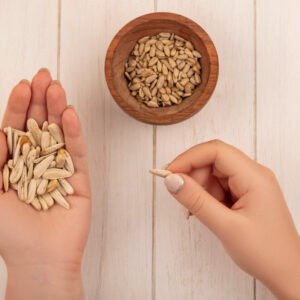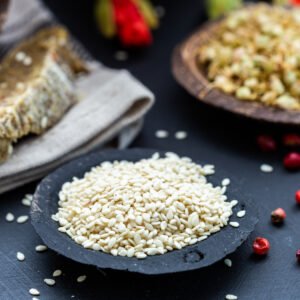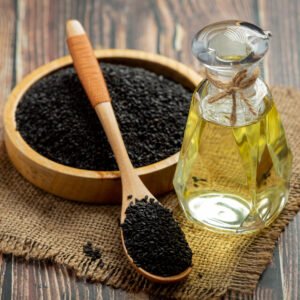

The first trimester is a short window with a long to-do list. Your baby’s major organs start to develop, and the neural tube closes within 12 weeks, while the placenta develops. What you eat during this stretch really matters, which is why so many pregnant women start reading ingredient labels more carefully. That search often turns up sesame seeds, and rightly so. Here’s what these tiny seeds actually do for you during early pregnancy and how to eat them the right way.
Why the First Trimester Needs Extra Attention
More is asked of your body in early pregnancy than in most other stages. Your need for nutrients like folate, iron, and calcium increases quickly, but morning sickness can make eating on a regular schedule difficult. This stage really calls for a nutrient-dense, easy-to-digest food that can be eaten in small meals, and healthy benefits of sesame seeds tick a few of those boxes at once.
Key Nutritional Benefits of Sesame Seeds in the First Trimester
Folate for Neural Tube Development
During the first 28 days of pregnancy, your baby’s spinal cord and brain develop as the neural tube closes. Often this happens before many women even know they are pregnant. According to the National Institutes of Health Office of Dietary Supplements, getting enough folate in this window helps prevent neural tube defects such as spina bifida. Sesame seeds are naturally high in folate, so they’re a good addition to your diet while taking a prenatal vitamin containing folic acid. Pregnant women should aim for 600 micrograms of dietary folate equivalents daily. Folate from food should complement your supplement, not replace it.
Calcium for Early Skeletal Growth
During the first trimester, your baby begins to develop the skeletal framework. You need calcium in your body to help that process along without leaching it from your own bone stores. Sesame seeds are also one of the more concentrated plant sources of calcium, so they’re a helpful addition in addition to dairy, leafy greens, or fortified foods.
Iron to Offset Rising Blood Volume
Early in pregnancy, blood volume begins to rise to support the developing placenta. This means that iron demand gradually increases. Low iron in early pregnancy can cause fatigue, which can add to the tiredness that many women experience in the first trimester. Sesame seeds are a plant source of iron, and when combined with a food rich in vitamin C, such as citrus or tomatoes, they will increase absorption.
Healthy Fats for Cellular Development
Most of the fat in sesame seeds is unsaturated, the type of fat that allows your cells to divide quickly and form tissue early. These fats also help your body absorb fat-soluble vitamins from other foods you eat in the same meal.
Fibre for Digestive Comfort
Constipation and bloating are common early pregnancy complaints and are often made worse by prenatal iron supplements. The fibre in sesame seeds helps with regular digestion, which can offer some relief during a trimester already full of physical adjustments.
Zinc and Magnesium for Cell Growth
Zinc helps support rapid cell division happening in these early weeks, and magnesium helps with muscle function and may help ease early pregnancy cramping. For a small seed, sesame seed contains large amounts of both minerals.
Addressing the First Trimester Caution You May Have Heard
Some traditional sources recommend avoiding sesame seeds in the first trimester, as they tend to create internal heat or can overstimulate the uterus in excess amounts. There is no clinical evidence that normal food amounts of sesame seeds cause miscarriage or premature labour. The caution really boils down to portion size and personal tolerance, not a reason to bypass the seed entirely.
If you tend to feel nauseous in early pregnancy, begin with a small amount, like a teaspoon mixed into your food, and gauge your body’s reaction. Some people find that the worst of first-trimester nausea makes it hard to stomach any dense, oily foods, which is more an issue with how nausea works than any specific to sesame.
How Much Is Right for the First Trimester
For most pregnant women, a few teaspoons of sesame seeds a few times a week is a reasonable starting point. This offers a good dose of folate, calcium and iron without extra calories at a time when appetite can feel unpredictable. If you tolerate sesame, you can work up to a tablespoon a day as part of a varied diet.
Easy Ways to Add Sesame Seeds When Nausea Makes Cooking Hard
- Toast, crackers, or plain rice with toasted sesame seeds (often easier to tolerate during nausea).
- Add a small spoonful of tahini to a smoothie for a mild nutty flavour and a dose of healthy fat.
- Energy balls you can make ahead for those days when cooking feels like too much work, with sesame seeds added.
- Drizzle steamed veggies with a little sesame oil to get a lot of flavour without a heavy meal.
When to Talk to Your Doctor
If you have a known sesame allergy, a history of pregnancy loss, or any other condition that your care provider has labelled as high risk, be sure to consult your doctor before incorporating sesame seeds into your diet. Sesame is a major food allergen in the U.S., so anyone with a history of a seed or nut allergy should introduce it carefully and look for symptoms such as hives, itching, or swelling.
Sourcing Clean, Quality Sesame Seeds
Nutrient content is important, but so is the quality of the seed itself, especially during pregnancy when food safety is even more important. CMS Industries, Kachchh, Gujarat, offers natural, hulled and roasted sesame seeds, black, brown and white varieties for food and export trade. Buyers looking for sesame seeds that have been reliably cleaned and sorted can check out what CMS Industries has on its website.
The Bottom Line
Sesame seeds are a source of folate, calcium, iron, healthy fats, and fibre at a stage of pregnancy when all five nutrients are important. The old advice to avoid them in the first trimester doesn’t match up with current evidence, but starting small is a good way to see how your body reacts during a nauseous stretch. Adding a tablespoon of sesame seeds to your prenatal vitamin and varied diet is an easy way to help with early foetal development.
Frequently Asked Questions
Are sesame seeds safe in the first month of pregnancy?
Yes, sesame seeds are safe to eat in normal food amounts in the first month. They are not associated with miscarriage in the clinic, and they do provide folate and iron, which can help support this critical early stage.
Can sesame seeds help meet folate needs in early pregnancy?
Sesame seeds are a natural source of folate that can supplement your prenatal vitamin. But sesame seeds shouldn’t be used instead of folic acid supplementation that is specifically recommended to prevent neural tube defects.
Why do some people say to avoid sesame seeds in the first trimester?
The warning is based on an ancient belief that sesame seeds heat the body, not on any scientific evidence. There is no evidence that normal dietary doses can cause miscarriage or early contractions.
How much sesame seed is safe for a pregnant woman in her first trimester?
Most women can have a teaspoon or two several times a week. If your body tolerates it well, you can work up to approximately one tablespoon a day.
Can sesame seeds cause nausea in early pregnancy?
Sesame seeds themselves don’t have a reputation for causing sickness, but any oily or heavy food can feel harder to stomach during the queasiness of the first trimester. Start small and adjust as you feel, according to how you feel.