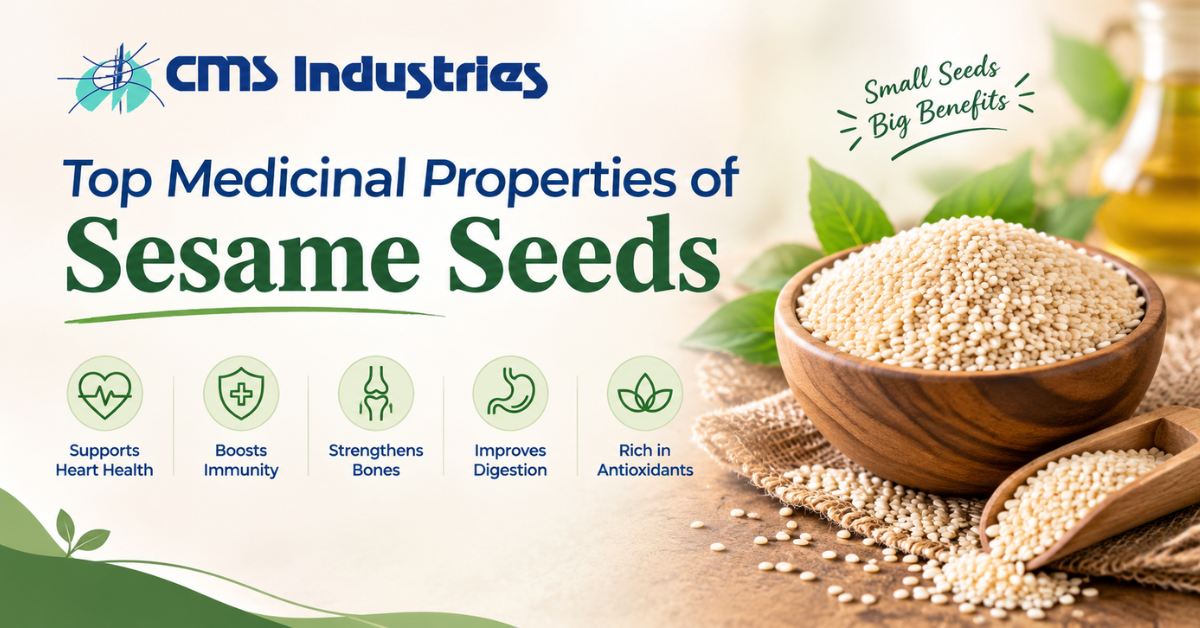
Sesame seeds have been used in traditional medicine for thousands of years, and modern science is finally catching up with the reasons why. These small seeds are packed with a heavy dose of plant compounds called lignans, plus vitamin E, healthy fats, and minerals that work on a number of body systems at the same time. In fact, in 2002, the former Chinese Ministry of Health officially recognised the medicinal and nutritional value of sesame seeds in herbal treatments.
Let’s break it down and look at 10 medicinal properties of sesame seeds that are actually backed by current research and the compounds responsible for each.
What Gives Sesame Seeds Their Medicinal Power
Most of the medicinal properties of sesame seeds can be attributed to a group of plant compounds called lignans, including sesamin, sesamolin, sesamol, and sesaminol. Sesamin itself constitutes about half of the sesame lignans. These compounds combine with vitamin E, oleic acid, linoleic acid, protein and minerals like magnesium, zinc, iron and copper to produce a range of pharmacological effects which have been studied in the laboratory and in the clinic.
10 Medicinal Properties of Sesame Seeds
1. Antioxidant Activity
Sesame lignans, especially sesamin and sesamolin, are powerful antioxidants that eliminate free radicals and reduce oxidative stress in the body. Because oxidative stress is involved in ageing, inflammation, and the development of chronic diseases, this antioxidant activity is thought to be one of the main reasons why sesame compounds appear to benefit so many different body systems.
2. Cholesterol and Blood Lipid Regulation
Sesame seeds good for glowing skin has been shown in studies to help regulate blood lipids. Studies have shown that sesame lignans can inhibit the absorption and biosynthesis of cholesterol, and the oleic and linoleic acids in sesame oil contribute to a more favourable overall lipid profile. Research involving patients in clinical trials has shown reductions in triglycerides, total cholesterol, and LDL cholesterol in those who added sesame or sesame oil to their diets.
3. Blood Pressure Support
Sesame compounds have been shown to have hypotensive effects, suggesting they may help lower high blood pressure. In a meta-analysis of clinical trials, sesame oil consumption was associated with clinically significant reductions in both systolic and diastolic blood pressure, being a food of interest for people managing cardiovascular risk factors.
4. Blood Sugar Management
Sesame seeds and their lignans are involved in glucose regulation. Specifically, research has been conducted on sesamin to explore its potential as a therapeutic agent for diabetes symptoms. Effects on blood sugar levels, glycosylated haemoglobin (HbA1c), and insulin activity have been shown in animal studies. Sesame oil intake has also been linked to significant reductions in fasting blood glucose and HbA1c levels in human clinical trials.
5. Anti-Inflammatory Effects
Many persistent health problems have chronic inflammation as their root, and research has investigated sesame lignans for their potential to decrease inflammatory markers. One specific example is sesamin, which has been proposed as a natural alternative or complement to anti-inflammatory drugs, potentially assisting in reducing inflammation while minimising the side effects associated with certain medications.
6. Liver and Kidney Protection
Research has shown that compounds in healthy benefits of black sesame seeds may have protective effects on liver and kidney tissue. This includes better liver function in relation to alcohol metabolism and general organ protective effects due to the antioxidant strength of sesame lignans. That is why sesame extracts have become of interest to support the health of organs besides conventional medical treatment.
7. Neuroprotective Properties
This is one of the more eye-catching areas of sesame research. Sesamin has been shown to reduce cellular oxidative damage associated with disorders such as ischaemic stroke and Alzheimer’s disease, in part by preserving mitochondrial function and reducing signalling pathways associated with neuronal death. Another sesame lignan, sesamolin, also showed similar neuroprotective activity against oxidative stress in neurone cells. Although this research is in its early stages, it suggests a genuine potential for sesame compounds to support brain health.
8. Anticancer Properties
The anticancer activity of sesame lignans, especially sesamin, sesamol and sesamolin, against several common cancer types like lung, breast and colorectal cancer has been explored in an increasing number of studies. Laboratory studies have shown that these compounds can influence cell proliferation, invasion, and programmed cell death in cancer cells. It must be emphasised that this research is predominantly preclinical, and therefore sesame should be viewed as a potentially supportive dietary compound under active investigation rather than a treatment or cure.
9. Wound Healing and Skin Support
The topical application of sesame lignans has been reported to accelerate wound healing by inhibiting inflammatory signalling pathways of skin cells. Laboratory studies have demonstrated that sesame oil and its extracts protect against skin damage caused by UV radiation. This could explain why sesame oil has been used in traditional skincare practices for centuries across many cultures.
10. Cardiovascular Protection
But the heart-healthy benefits of sesame compounds go beyond blood pressure and cholesterol. These sesame compounds work together to exert antioxidant, anti-inflammatory, and lipid-regulating effects that provide more general cardiovascular support. Sesame lignans are anti-atherogenic (may help reduce the buildup of arterial plaque) and anti-thrombotic (may reduce the risk of blood clot formation) according to research reviews, both of which matter for long-term heart health.
Important Context Before You Rely on Sesame Seeds Medicinally
The study of the medicinal properties of sesame seeds is really promising, but there are some points to consider:
- Most of the best evidence is from laboratory or animal studies. Some of these properties have human clinical trials, but sample sizes are often small, and further large-scale research is needed to confirm long-term effects.
- Sesame oil and sesame extract are not the sesame seeds you eat as food. A lot of research has used concentrated oil or lignan extracts, not whole seeds, so the effect of a spoonful of sesame seeds in your diet may be less dramatic than you’d see in a clinical trial using concentrated compounds.
- Sesame allergy is a real thing. Sesame is considered a major food allergen in a number of countries, and reactions can vary from mild to severe. People with a known allergy to sesame should avoid all sesame seeds and products made with sesame.
- These properties encourage wellness, not treatment. Sesame seeds are a good addition to a healthy diet, but they are not a substitute for prescribed medication or professional care for existing medical conditions such as diabetes, high blood pressure, or cancer.
Where Quality Sesame Sourcing Matters
The medicinal value of sesame seeds is so dependent on freshness, variety, and processing method; sourcing plays a real role for food manufacturers and health brands that work with this ingredient. CMS Industries deals in a wide range of sesame seeds, like natural, hulled, roasted, black and white sesame seeds, as well as other oilseeds, grains and pulses from all over India. “If companies want to make food or wellness products from sesame, they need a reliable source of high-quality raw material to retain the lignans and nutrients that gave sesame its medicinal reputation in the first place.”
Final Thoughts
Sesame seeds may be small, but they pack a medicinal punch far beyond what you would expect. From antioxidant and anti-inflammatory activity to emerging research on brain health and cancer cell behaviour, these tiny seeds have received real scientific attention to complement their long history in traditional medicine. The key is to understand the difference between promising research and proven treatment, to use sesame as a supportive part of a healthy diet, and to be aware of allergy risk.
What to do next: If you would like to try these medicinal effects of sesame seeds for yourself, begin by adding a small amount of whole sesame seeds, oil, or tahini to your daily meals and give your body some time to respond, while still following any prescribed medical treatment.
FAQs
- What are the main medicinal compounds in sesame seeds?
The main medicinal compounds are lignans, mainly sesamin, sesamolin, sesamol, and sesaminol. Most of the research-backed antioxidant, anti-inflammatory, and cholesterol-regulating benefits of sesame come from these plant compounds.
- Can sesame seeds help lower blood pressure?
Research has shown that sesame oil intake could lower systolic and diastolic blood pressure. Thanks to sesame’s lignans and healthy fat profile, this is most effective when used in conjunction with other heart-healthy habits.
- Are sesame seeds good for diabetes?
Some studies indicate that sesame seeds and sesame oil might help improve blood sugar control by lowering fasting glucose and HbA1c levels. Sesame should be used to supplement, not replace, prescribed diabetes treatment and monitoring.
- Do sesame seeds have anticancer properties?
Lab studies of sesame lignans have shown activity against several cancer cell types, but most of this evidence is based on preclinical studies. You should regard sesame seeds as a part of your diet and not a cure for cancer.
- Is sesame oil more medicinal than whole sesame seeds?
In many clinical studies, sesame oil or lignan extracts are used in concentrated form, which gives a higher dose than whole seeds. Whole seeds still have valuable benefits, including fibre and protein that oil alone does not.